[International Oil Prices] Surge Eases on Report that "Saudi Arabia Resumes East-West Pipeline Operations"
- Input
- 2026-09-29 03:50:31
- Updated
- 2026-09-29 03:50:31
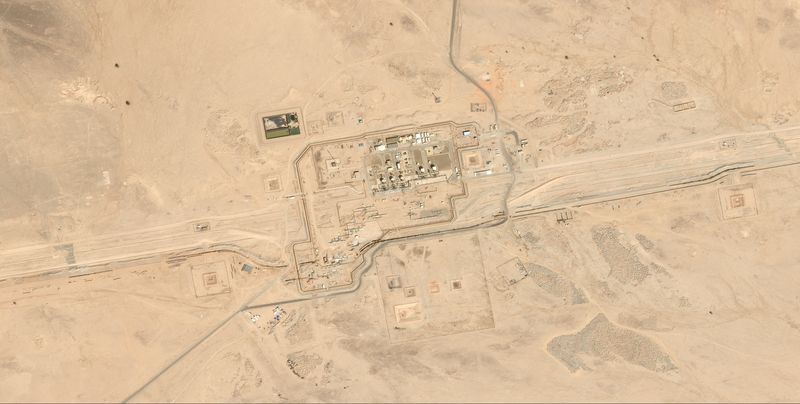
The sharp rise in international oil prices temporarily subsided on the 28th (local time). Prices had jumped more than 4% early in the session but substantially narrowed their gains.
A report by The Wall Street Journal (WSJ) that Saudi Arabia had resumed operations on its East-West Pipeline, which was damaged in a drone attack earlier this month, helped curb the surge in oil prices. However, prices did not turn lower as tensions between the United States and Iran continued. Markets remain concerned that the two sides could clash again after the U.S. midterm elections in November.
Brent crude oil for November delivery, the international benchmark, settled 0.92% higher at $105.28 a barrel. It surged as much as 4.32% intraday, reaching $108.83.
West Texas Intermediate crude oil (WTI), the U.S. benchmark, ended trading 0.21% higher at $92.60 a barrel for the November contract. It climbed as much as 4.47% intraday to $96.54 a barrel, but sharply narrowed its gain after news that Saudi Arabia had resumed operations on the pipeline.
The Wall Street Journal (WSJ) reported, citing sources, that Saudi Arabia's East-West Pipeline, which bypasses the Strait of Hormuz, had resumed operations.
According to the sources, Saudi Aramco, Saudi Arabia's state-owned oil company, began loading crude transported through the pipeline at Yanbu Port on the Red Sea on the 27th. The sources said Aramco began transporting oil after testing the pipeline's structural integrity and pressure last week. The pipeline had been shut down after being damaged by a drone that flew from Iraq on the 10th.
The sources said the pipeline is now operating nearly normally. Its throughput has reached about 3.5 million barrels per day, approaching the roughly 4 million barrels per day recorded earlier this month before the damage.
Some of that oil is being sent to Saudi refineries along the Red Sea coast. Before the pipeline was destroyed, Saudi Arabia processed about 2 million barrels per day domestically and exported the rest. The East-West Pipeline can transport up to 7 million barrels per day, but it had never operated at that level for an extended period, even before the war with Iran.
The pre-damage throughput of 4 million barrels per day represented about 4% of global crude oil supply.
As tensions between the United States and Iran persist, conciliatory gestures toward Iran have also emerged.
A White House official told CNN that President Donald Trump was open to easing sanctions on Iran and releasing frozen funds. The official added that this could happen if the nuclear negotiations progressed solidly. A U.S. administration official also told Axios that the president could ease sanctions and release frozen funds on the condition that nuclear negotiations move forward.
The market, however, remains skeptical.
Cornelia Meyer, CEO of Meyer Resources, told CNBC in an interview that markets viewed it as almost certain that the United States and Iran would clash again after the November midterm elections. Many countries are releasing oil from their reserves to curb sharp increases in domestic prices, so no one wants the two countries to clash again in November, but it may be difficult to avoid, she said.
[email protected] Song Kyung-jae Reporter