'AI Distillation' Draws Mixed Reviews: Jensen Huang Says "Competition" vs. Bessent Says "Theft"
- Input
- 2026-09-29 03:18:53
- Updated
- 2026-09-29 03:18:53
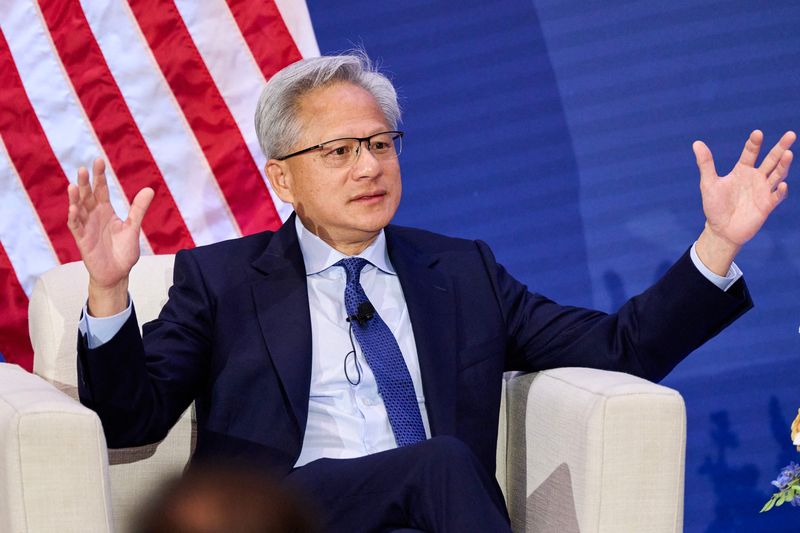
Jensen Huang, CEO of NVIDIA, defended artificial intelligence (AI) model distillation on the 28th (local time), calling it "competition." He appeared to indirectly criticize the Donald Trump administration for focusing on regulation rather than competing with China. AI distillation is a method of training an AI system using the output of another AI model to save time and money.
Treasury Secretary Scott Bessent, by contrast, called the distillation method "theft" last July and threatened to sanction foreign companies that extract and use the essence of U.S.-developed AI models through the technique. U.S. administration officials have criticized Chinese AI companies for catching up with advanced U.S. AI through distillation.
When asked about distillation in an interview with CNBC on the 28th, Huang drew a clear line, saying, "It is called competition, not theft."
He noted, "You are allowed to test someone else's output if you want to," adding that NVIDIA products are sometimes stripped down "until only the skeleton remains" for examination. Companies want to understand how NVIDIA products work, he explained.
Huang openly acknowledged his true feelings, saying, "I really wish that weren't the case. I wish no one would learn anything from our products, and I wish they could simply enjoy the benefits of cruising along with our products." He stressed, "But as you know, honestly, competition makes everything better." Everyone would prefer to keep the strengths of their products hidden and maintain their competitive edge, he explained. That is not realistically possible, however, and competition is thereby sparked, raising overall utility.
Huang added, "If you don't like that, if you don't like people using your product, the only thing you can do is properly identify your customers and discontinue the service." In other words, companies that do not want other firms to use their services to learn technology through distillation or similar techniques must manage their customers and take steps to block access themselves. The emphasis, however, was on improving together through competition rather than preventing it.
Meanwhile, the U.S. Cybersecurity and Infrastructure Security Agency (CISA) claimed earlier this month that Chinese AI companies were conducting an "industrial-scale knowledge-distillation operation," which it said violated the terms of service for U.S. companies' users.
Anthropic also claimed earlier this month that Alibaba and DeepSeek were linked to 'illegal distillation.'
[email protected] Song Kyung-jae Reporter