Engines Shut Down, but Starship Overcomes Tense Crisis... SpaceX's Starship Successfully Enters Earth Orbit for the First Time
- Input
- 2026-09-29 01:10:42
- Updated
- 2026-09-29 01:10:42
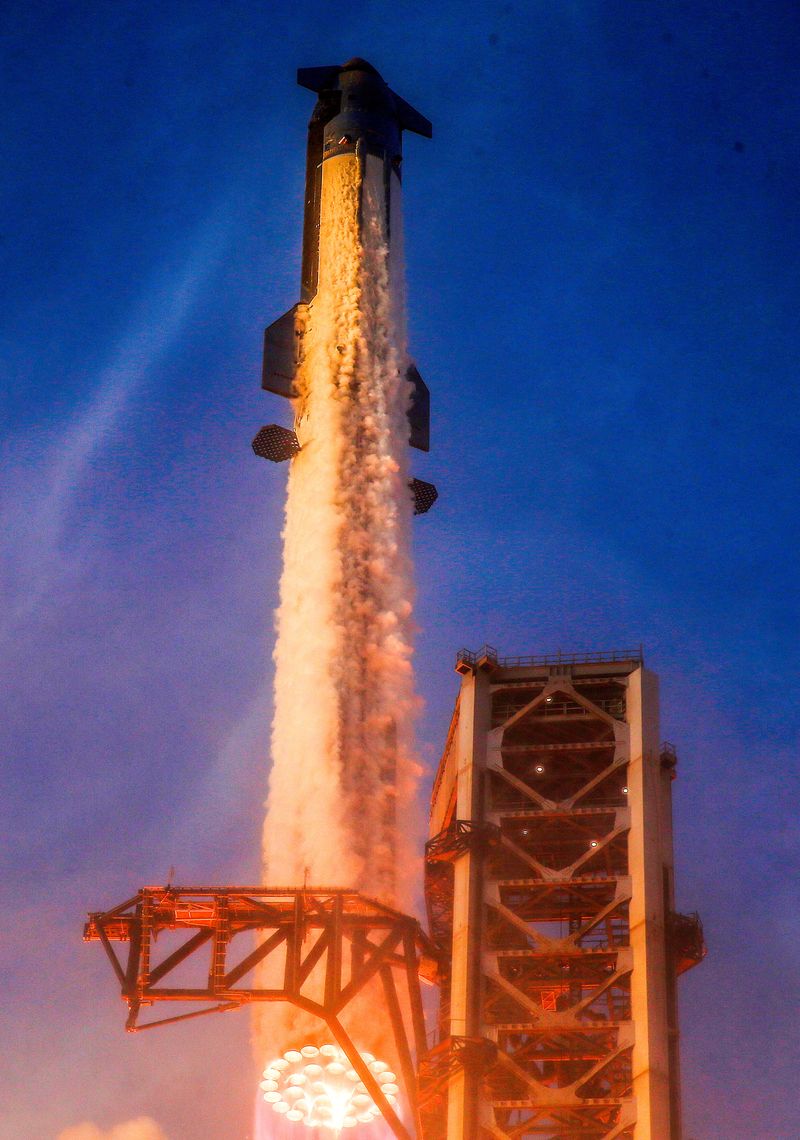
[Financial News] Starship, the large spacecraft operated by Elon Musk-led U.S. space company SpaceX, overcame a tense crisis after an engine shut down prematurely during flight and successfully entered Earth orbit for the first time.
According to AFP and other foreign media outlets on the 28th (local time), the 40-story-tall uncrewed Starship spacecraft took off at around 7 a.m. from the Starbase launch site in Texas and embarked on its 14th test flight. Since its first test flight in 2023, the previous 13 flights had all been conducted as suborbital flights for safety reasons. This flight marked the first time Starship cleared the key milestone of entering orbit.
The mission did not proceed entirely smoothly. One of Starship's main engines, the Raptor engine, stopped operating earlier than scheduled after liftoff, briefly raising concerns that orbital insertion might be called off. However, SpaceX engineers urgently reviewed the flight data and determined that the key engine could be reignited. They pressed ahead with the flight, and Starship successfully entered orbit about 26 minutes after launch.
During the flight, Starship successfully deployed 26 next-generation Starlink V3 communications satellites into orbit. SpaceX ended the test flight early immediately after the satellite deployment, despite the schedule originally calling for a flight lasting about 10 hours, and safely returned the spacecraft. The company said, "All of the deployed satellites are in good condition and operating smoothly."
The flight is significant because it was not merely a technology demonstration but an operational mission aimed at expanding the actual satellite network and generating revenue. The V3 satellites deployed this time have more than 10 times the data-processing capacity of the existing Starlink V2 satellites. They are regarded as key assets that could raise revenue from SpaceX's communications business to hundreds of millions of dollars.
Elon Musk, SpaceX's Chief Executive Officer (CEO), said the company plans to launch 60 V3 satellites at a time once Starship enters full-scale operations, dramatically increasing the speed of the Starlink satellite internet network. SpaceX also plans to accelerate crewed exploration missions to the Moon and Mars by leveraging its high-efficiency satellite launch capabilities.
[email protected] Park Ji-hyun Reporter