'Leading the Growth of K-Environmentally Friendly Agriculture'... Jeonnam-Gwangju Integrated Special City Accelerates Efforts to Build an Environmentally Friendly Agricultural Foundation
- Input
- 2026-09-28 15:26:08
- Updated
- 2026-09-28 15:26:08
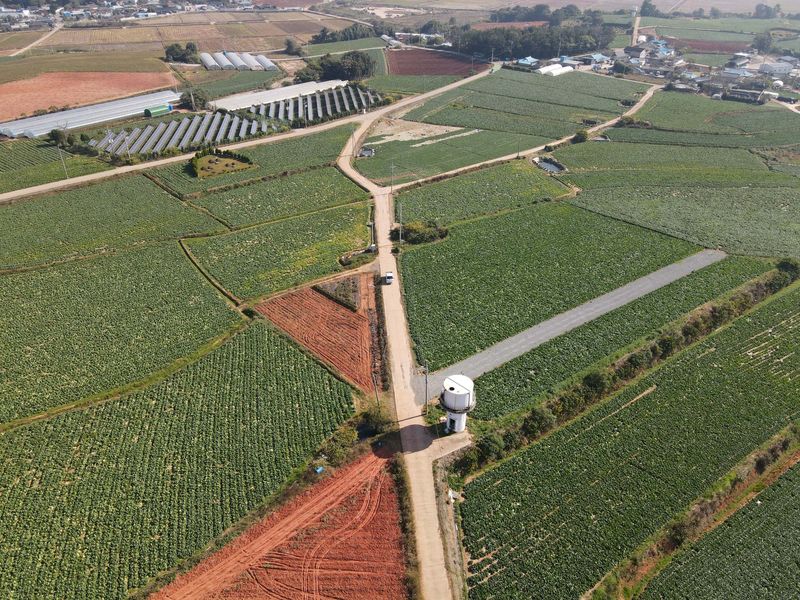
【Financial News, Jeonnam-Gwangju = Reporter Hwang Tae-jong】Jeonnam-Gwangju Integrated Special City (Gwangju Metropolitan City) is stepping up efforts to build an environmentally friendly agricultural foundation and lead the growth of K-environmentally friendly agriculture.
According to Gwangju Metropolitan City on the 28th, six producer organizations, the largest number among 15 selected nationwide, were chosen in the Ministry of Agriculture, Food and Rural Affairs' competition for the 2027 environmentally friendly agriculture foundation-building project. The six organizations are Haenam Agricultural Cooperative, Hoseong Nongsan Farming Association and Yeongsangang Deulnyeok Agricultural Company in Haenam County; Nanum Agricultural Company and Giga Agricultural Company in Yeongam County; and Wolsan Farming Association in Yeonggwang County.
The six organizations' total project costs amount to KRW 8.6 billion, including KRW 6.9 billion in subsidies and KRW 1.7 billion in self-financing. This accounts for 41% of the national total project cost of KRW 21.1 billion.
Kim Young-seok, head of Gwangju Metropolitan City's Environmentally Friendly Agriculture Division, emphasized, "With the integration of Jeonnam and Gwangju, the consumer market for environmentally friendly agricultural products has expanded to include the Gwangju area, increasing the school-meal target by 172,000 people. We will lead the growth of K-environmentally friendly agriculture by establishing a stable production and supply system suited to the expanded consumer market."
Meanwhile, the Ministry of Agriculture, Food and Rural Affairs has operated the environmentally friendly agriculture foundation-building project since 2004 to expand environmentally friendly agriculture and establish a stable production and distribution foundation. For rice, eligible producer organizations must cultivate at least 10 hectares, with at least 90% of their output certified as environmentally friendly agricultural products. For fruit and vegetables, they must cultivate at least 5 hectares, with at least 80% receiving certification.
[email protected] Hwang Tae-jong Reporter