Strengthening Teachers’ Instructional Expertise in the AI Era
- Input
- 2026-09-28 14:20:59
- Updated
- 2026-09-28 14:20:59
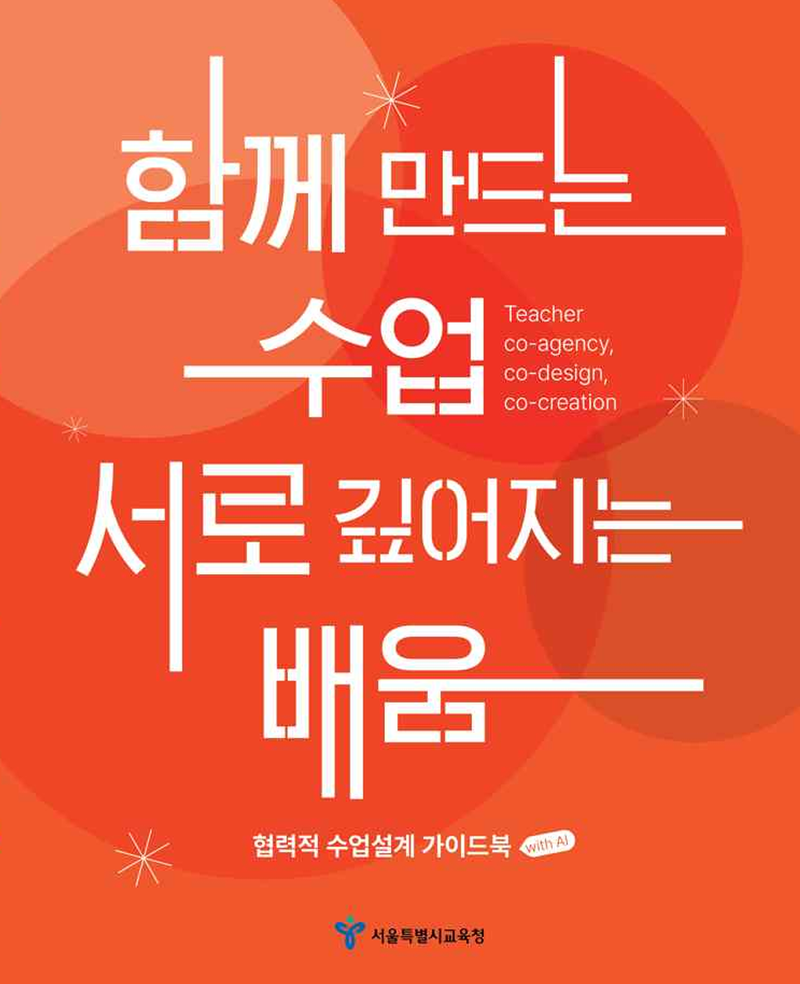
[Financial News] Seoul Metropolitan Office of Education (SMOE) said on the 28th that it would distribute the guidebook “Lessons We Create Together, Learning We Deepen Together” to all schools on the 29th. The guidebook is designed to strengthen teachers’ lesson-design expertise at a time when artificial intelligence (AI) makes it easier to create lesson materials. It aims to promote collaboration among teachers by helping them design lessons with their colleagues and to encourage student-centered learning.
SMOE explained that AI is not a tool that replaces teachers’ judgment, but an assistant that expands and deepens collaboration among them. The initiative expands the existing “teacher-teacher” model of collaboration into a “teacher-AI-teacher” model, while leaving final judgment and responsibility for lessons with teachers. Teacher teams can discuss ideas with AI to broaden their lesson concepts, then critically review and refine the results with their colleagues.
Geun-sik Chung, superintendent of SMOE, said, "The more we enter the AI era, the more important it has become for teachers to work together to decide and reflect on what to teach and why." He added, "SMOE will create a culture and environment in which teachers can collaborate, and I hope this guidebook will serve as a reliable guide for creating learning that grows deeper together."
According to the OECD Teaching and Learning International Survey (TALIS 2024), cited by SMOE, only 3.7% of middle school teachers in South Korea observed a colleague’s lesson and provided feedback at least once a month. The proportion participating in joint activities across classes and grade levels was also just 4.3%, placing South Korea near the bottom among participating countries on both indicators. SMOE said the findings show that deep collaboration centered on lessons remains rare.
The guidebook outlines five stages—team preparation, analysis, design, development and implementation, and reflection and evaluation—along with practical examples so that even teachers new to the process can follow them. It also includes examples of using a prototype AI program, or agent, developed by practicing teachers to assist with lesson design. University professors, researchers, practicing teachers, and educational supervisors contributed to the guidebook. It was developed through an analysis of previous research, consultations with experts, and several months of field testing.
SMOE plans to provide step-by-step support by training instructors, offering professional development for teacher practitioners, and providing consulting to individual schools so that collaborative lesson design can take root in schools. The guidebook can be downloaded from the SMOE website.
[email protected] Kim Man-gi Reporter