Ahead of the National Climate Science Institute's Launch by Year-End: "Monitoring Emissions Target Implementation Is Key"
- Input
- 2026-09-28 14:01:33
- Updated
- 2026-09-28 14:01:33
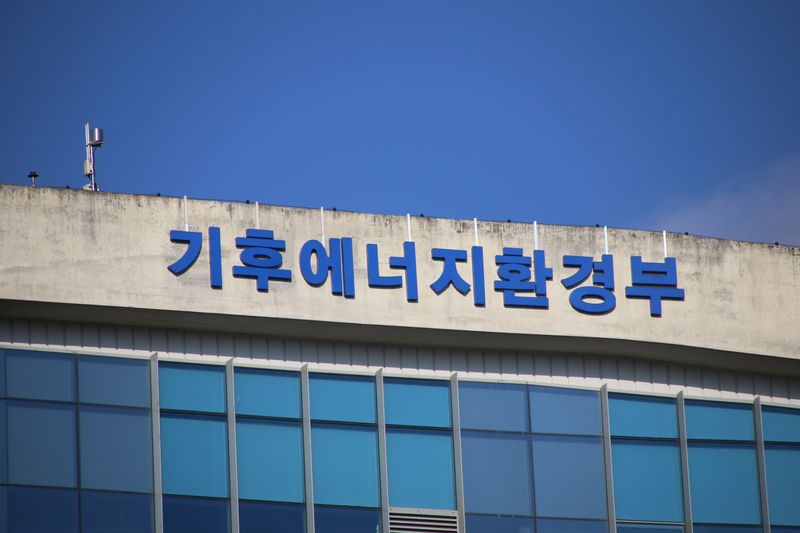
[Financial News] A forum was held to discuss the role of a dedicated research institution ahead of the launch of the National Climate Science Institute, which will be responsible for monitoring the implementation of the 2035 national greenhouse gas reduction target (NDC).
The Greenhouse Gas Inventory and Research Center of Korea (GIR), under the Ministry of Climate, Energy and Environment, held the 17th International Greenhouse Gas Academic Conference at FKI Tower in Yeouido, Seoul, on the 28th. The conference was held under the theme "From Data to Implementation: Climate Action Led by Transparency."
As countries submit their 2035 NDCs to the United Nations under the Paris Agreement, implementing those targets has emerged as a key challenge. Since South Korea has also submitted a target to reduce greenhouse gas emissions by 53% to 61% from 2018 levels by 2035, a system is needed to continuously monitor implementation progress.
The National Climate Science Institute is scheduled to launch by the end of the year after the functions of GIR are expanded under amendments to the Carbon Neutrality and Green Growth Act. The conference was organized to examine overseas cases of implementation monitoring and discuss the new institution's role and direction with academia, industry and civil society.
During the session on overseas cases, officials from the UK's Climate Change Committee (CCC) and the Netherlands Environmental Assessment Agency (PBL) joined via video conference to introduce their countries' systems for evaluating and forecasting emissions-reduction efforts. The Global Green Growth Institute (GGGI) shared its experience supporting emissions accounting and mitigation assessments in several countries.
In the domestic session, GIR presented a data-driven approach to managing the implementation of national emissions reductions, while the Gyeonggi Research Institute presented a case study on building data infrastructure to respond to the regional climate crisis. The panel discussion included officials from the National Institute of Green Technology (NIGT), the Korea Energy Economics Institute, the National Assembly Research Service (NARS), NEXT group, the POSCO Research Institute and the National Institute of Environmental Research.
Lee Ho-hyun, Second Vice Minister of the Ministry of Climate, Energy and Environment, said, "To translate emissions reduction targets into actual reductions, it is important to monitor implementation based on accurate data and scientifically forecast and analyze future emissions."
[email protected] Lee Yu-beom Reporter