Former War Mediators Urge Iran to Make 'Nuclear Concessions'... US Gains Upper Hand in Talks
- Input
- 2026-09-28 14:37:31
- Updated
- 2026-09-28 14:37:31
[Financial News] As the war between the United States and Iran enters its seventh month, the two sides have dug in rather than pursuing peace talks. Meanwhile, circumstances surrounding the conflict are increasingly tilting in the US's favor. Middle Eastern countries that had attempted to mediate negotiations are urging Iran to meet some of the US demands concerning its nuclear program.
Strait of Hormuz operations recover to 60%, putting Iran's bargaining chips at risk
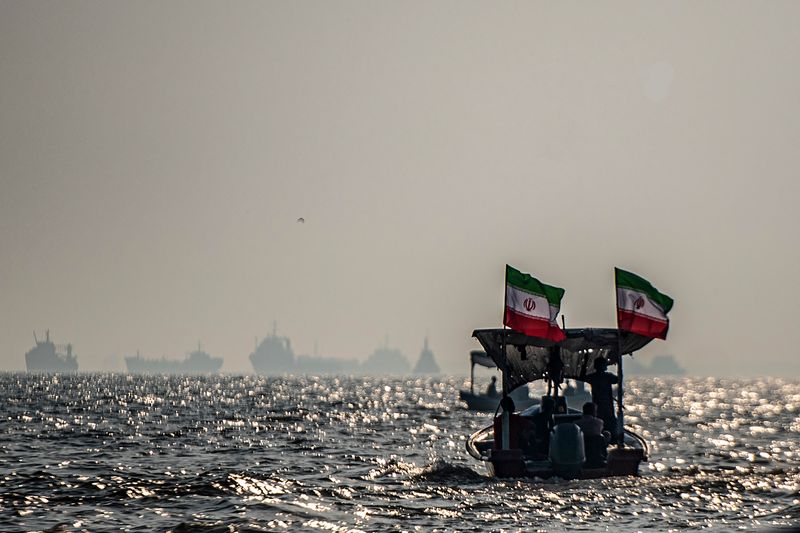
Japan's Nihon Keizai Shimbun (Nikkei) reported on the 28th, citing multinational maritime transport information platform Kpler, that the volume of crude oil passing through the Strait of Hormuz this month averaged 9.36 million barrels per day, up 3.56 million barrels per day from August. This was the largest volume since the Iran war began on Feb. 28 and amounted to about 60% of the 15 million barrels per day that passed through the strait before the war. The tally also included oil carried by vessels that secretly passed through the strait with their automatic identification systems (AIS) switched off.Nikkei cited the normalization of traffic through the Strait of Hormuz as one reason international oil prices have remained stable despite the recent US-Iran tensions. Iran declared the strait closed beginning in July, but it has been losing control as the US military stops Iranian vessels near the waterway and oil-producing states along the strait transport oil without AIS signals.
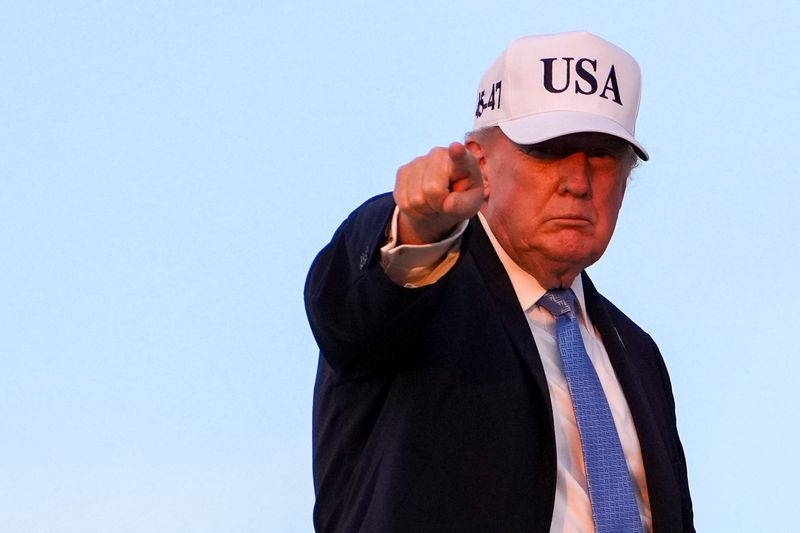
Umer Karim, a Persian Gulf security researcher at the University of Birmingham, told The Wall Street Journal (WSJ) on the 27th (local time) that Iran's weakening control over the strait "has reduced Iran's leverage in (end-of-war) negotiations." U.S. President Donald Trump said in a statement on the 26th that he had rejected an Iranian plan to reopen the Strait of Hormuz. He said Iran "is being defeated so badly that it wants to make a deal to open the strait immediately." He added, "I like making deals too. But that deal is not acceptable," and stated, "A tremendous amount of oil came out through the Strait of Hormuz last night, and 29 vessels came out as well."
The WSJ reported that the US is more confident than before in a strategy of inflicting massive economic damage by intercepting Iran-linked vessels in waters near Iran. It also said Trump appears more interested in resuming military attacks than in peace negotiations and has no intention of returning to the memorandum of understanding on ending the war that he reached with Iran last June. In a 27th interview, Trump mentioned the U.S. midterm elections scheduled for Nov. 3 and said additional strikes against Iran before then were "possible."
Nuclear concessions are Iran's remaining card
The Iranian government is refusing to yield despite Trump's hard-line stance. According to the WSJ, Tehran currently believes it can withstand prolonged US sanctions and renewed bombing. A Middle Eastern source emphasized that power in Iran is concentrated in the hard-line Islamic Revolutionary Guard Corps (IRGC). Iranian Foreign Minister Abbas Araghchi told NBC News on the 27th, "We are fully prepared for the possibility that the war will resume," adding, "Even if it leads to a devastating war, we will firmly confront any new attack." According to Karim of the University of Birmingham, Iranian hardliners believe that if Trump and the Republicans lose the November midterm elections, they will attack Iran more aggressively without worrying about U.S. politics. Karim noted, "Under the current circumstances, if either the United States or Iran makes concessions, it would signal weakness."However, countries mediating an end to the war, including Qatar, have not given up hope. In an interview this month, Qatari Prime Minister Sheikh Mohammed bin Abdulrahman Al Thani highlighted the gains made by the pro-Iranian Houthi rebels and stressed, "The conflict is extremely complicated right now." According to France's Agence France-Presse (AFP), Houthi spokesperson Yahya Saree said in a statement on the 27th that Saudi Arabia had carried out two airstrikes on a traditional market in an area of Taiz province in southwestern Yemen controlled by the Houthi rebels, killing or injuring about 50 people. The Houthi rebels seized areas around the Bab el-Mandeb Strait, the gateway to the Red Sea, this year to aid Iran and resumed attacks against Saudi Arabia, Iran's archrival.
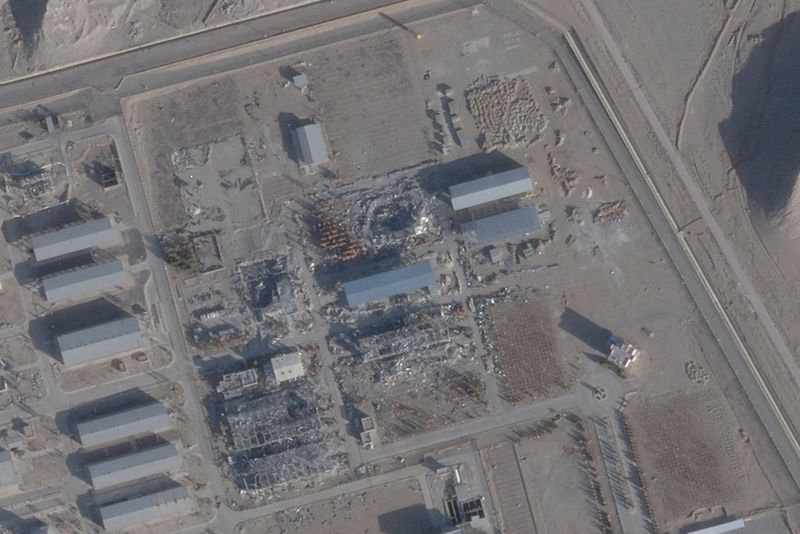
The WSJ reported that Middle Eastern mediators are demanding nuclear concessions from Iran. It explained that Trump has recently shifted the focus of the war from retaking the Strait of Hormuz back to its original objective: denuclearizing Iran. On the 27th, Trump asserted that preventing Iran from obtaining nuclear weapons was "the key to everything."
In a CBS interview broadcast on the 27th, Iranian President Masoud Pezeshkian was asked whether he could agree to restrictions on nuclear weapons. He replied, "Of course I agree. We already reached an agreement on that in previous talks." Regarding access for international nuclear inspectors, he said, "If they want to come in and inspect, we can reach an agreement and consent on that specific issue during the negotiations."
Meanwhile, in an interview with the U.S. political outlet Axios on the same day, Trump said, "I expect there will be more negotiations with Iran this week," adding, "They want a deal, but not the deal I want. Iran came on too strong."
[email protected] Park Jong-won Reporter