Carbonated Drinks Behind Surge in Hair Loss Among Teens and Twentysomethings? Simple Sugars Raise Hair Loss Warning [Smart Wellness]
- Input
- 2026-09-28 14:25:57
- Updated
- 2026-09-28 14:25:57
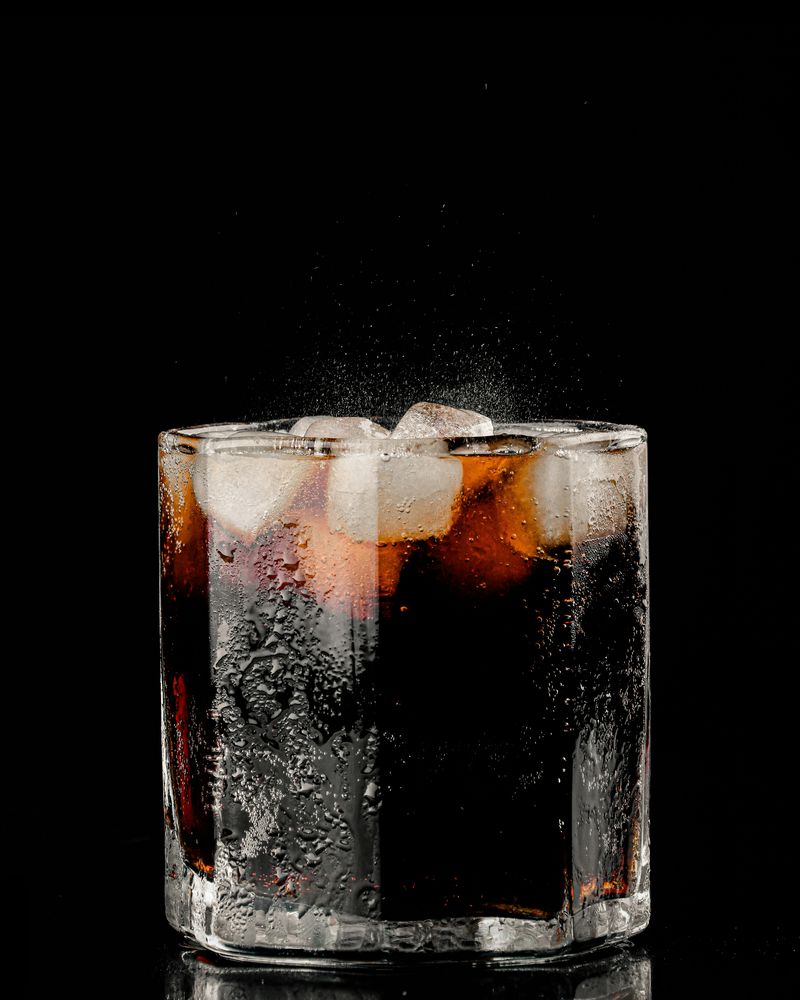
[Financial News] About 60% of the human body is made up of water. That is why the beverages we casually drink can affect not only our overall health but also the condition of our hair. Carbonated and sugar-sweetened drinks, often consumed habitually to quench thirst or cleanse the palate after a meal, are increasingly being identified as major factors that undermine the scalp and hair follicles.
Sugar-Sweetened Beverage Consumption Among Teens and Twentysomethings Cited as a Cause of Male-Pattern Hair Loss
The age at which male-pattern hair loss develops, once considered primarily a concern for middle-aged and older adults, has recently fallen sharply to people in their teens and 20s. Diets centered on added sugars are believed to play a role. As the proportion of people who consume carbonated drinks, energy drinks, and sugar-sweetened juices every day has risen significantly, concerns have mounted that excessive sugar intake disrupts the hair growth cycle.
These concerns have also been supported by large-scale epidemiological research. Findings from a Tsinghua University research team, published in the international academic journal Nutrients and covered by the U.S. health publication Healthline, showed that the risk of male-pattern hair loss was significantly higher even among men who drank just one can of soda a day.
The main reason sweetened drinks may cause hair loss is that they disrupt the body's polyol metabolic pathway. Hair follicle cells need glucose as their primary energy source to function properly. When the simple sugars in carbonated drinks flood the body at once, an emergency detour known as the polyol pathway is activated to process the excess sugar.
During this process, glucose is converted into substances that the hair follicles cannot effectively use, such as sorbitol and fructose. As a result, hair follicle cells can become "malnourished," even when the body contains sufficient sugar, because they do not receive usable energy. When their nutrient supply is cut off, the roots lose support rapidly, causing the hair to become thinner and fall out more easily.
Beverages Also Excessively Stimulate Sebum Production, Triggering Scalp Inflammation
Scalp inflammation can further compound the problem. Sugary drinks can excessively stimulate sebum production on the scalp. An appropriate amount of sebum acts as a moisturizing barrier, but excess sebum can clog pores and create a breeding ground for bacteria. This can lead to seborrheic dermatitis and folliculitis, potentially causing permanent damage to the hair follicles.
Some medical experts, however, acknowledged that diet affects overall health, including blood pressure and lipid metabolism, while adding that further follow-up studies controlling for different ethnicities and lifestyles are needed to more clearly establish a direct causal relationship between sugar-sweetened beverages and hair loss.
Ways to make life healthier and more vibrant are not far away. [Smart Wellness] shares insights on caring for the body and mind based on scientific evidence and the latest trends. Subscribe to the reporter page to conveniently receive [Smart Wellness] content.
[email protected] Kim Hyun-sun Reporter