Joheunchaek Sinsago Publishing CEO Sent to Trial Over Refusal to Bargain and Adverse Treatment of Union Members
- Input
- 2026-09-28 11:21:34
- Updated
- 2026-09-28 11:21:34
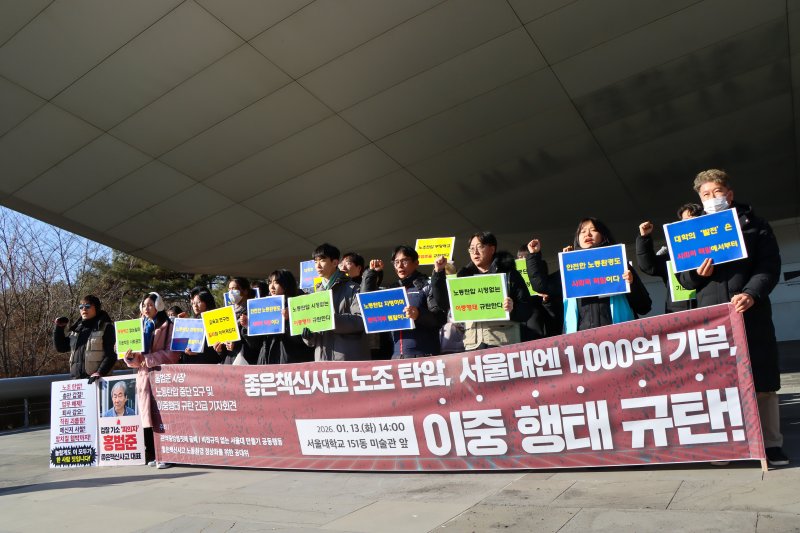
[Financial News] The CEO of Joheunchaek Sinsago Publishing has been sent to trial on suspicion of refusing to bargain with the union and disadvantaging union members in personnel evaluations.
Criminal Division 6 of the Seoul Southern District Prosecutors' Office, headed by Chief Prosecutor Jeon Cheol-ho, said on the 28th that it had indicted Hong Beom-jun, CEO of Joheunchaek Sinsago Publishing, without detention on the 23rd for alleged violations of the Trade Union and Labor Relations Adjustment Act.
Prosecutors allege that Hong refused to engage in collective bargaining with the Joheunchaek Sinsago branch of the National Union of Media Workers. He is also accused of attempting to interfere with the union's organization and operation by excluding union members from award consideration, giving some members low personnel evaluation ratings and freezing their annual salaries. Prosecutors also charged him with failing to comply with a remedial order issued by the labor authorities.
The labor-management dispute intensified after the Joheunchaek Sinsago branch of the National Union of Media Workers was established at the end of 2022. Starting in April 2023, the union demanded collective bargaining with the company, including negotiations over wages and a collective agreement. The company repeatedly refused to bargain without publicly announcing that it had received the request.
In June of that year, the Seoul Regional Labor Relations Commission ordered the company to announce the request for bargaining. The company challenged the order in an administrative lawsuit, arguing that, as a publisher, it had no connection to the National Union of Media Workers and that it was difficult to verify whether the branch was a legally valid union. However, the Seoul Administrative Court ruled in November 2024 that the company had no legitimate reason to refuse bargaining and deemed its refusal an unfair labor practice.
Complaints over the treatment of union members followed. In October 2024, the union filed a complaint with the Seoul Southern District Office of the Ministry of Employment and Labor over the company's exclusion of members from various awards and incentive payments. In May of the following year, the ministry referred the case to prosecutors with a recommendation for indictment on allegations of unfair labor practices.
The Seoul Regional Labor Relations Commission also ruled last July that the company's personnel evaluations and salary contracts for some union members constituted unfair labor practices. Citing the fact that seven of the nine union members received the lowest rating and had their salaries frozen, it ordered the company to conduct the evaluations again and apply appropriate salary increase rates. In November of the same year, the union filed an additional complaint against Hong and others, alleging that members had been disadvantaged during the personnel evaluation and salary contract processes.
Disputes continued even after the reevaluations. In January, the Seoul Regional Labor Relations Commission found it an unfair labor practice that union members again received the lowest ratings and had their salaries frozen under the "special personnel evaluation" criteria introduced during the reevaluation process, and that only union members were excluded from long-service awards. At the time, the company argued, "Award payments are at the employer's discretion, and the personnel evaluation supplemented objectivity and fairness," but the argument was rejected.
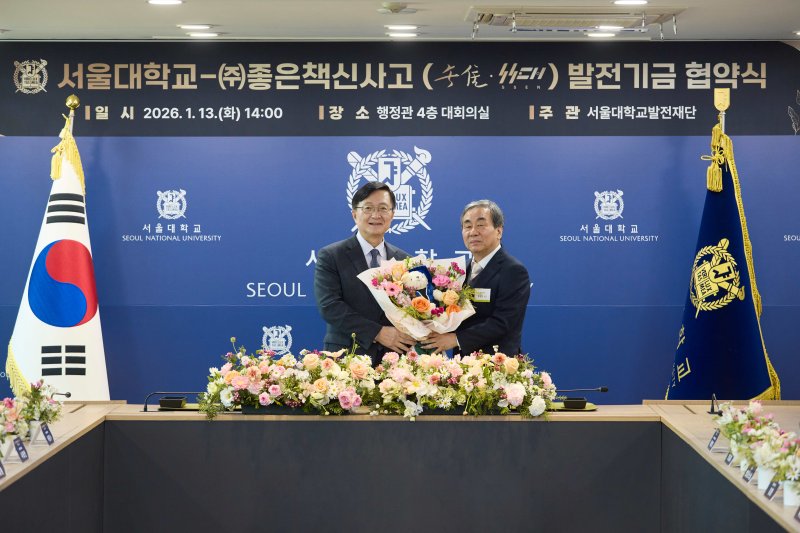
Meanwhile, Hong pledged in January to donate 100 billion won to Seoul National University. But after the unfair labor practice allegations emerged, he faced criticism as a "two-faced CEO."
[email protected] Park Seong-hyeon Reporter