Before You Develop an 'Asymmetrical Face'... The Critical Treatment Window for Facial Paralysis Is Three Weeks
- Input
- 2026-09-28 10:23:19
- Updated
- 2026-09-28 10:23:19
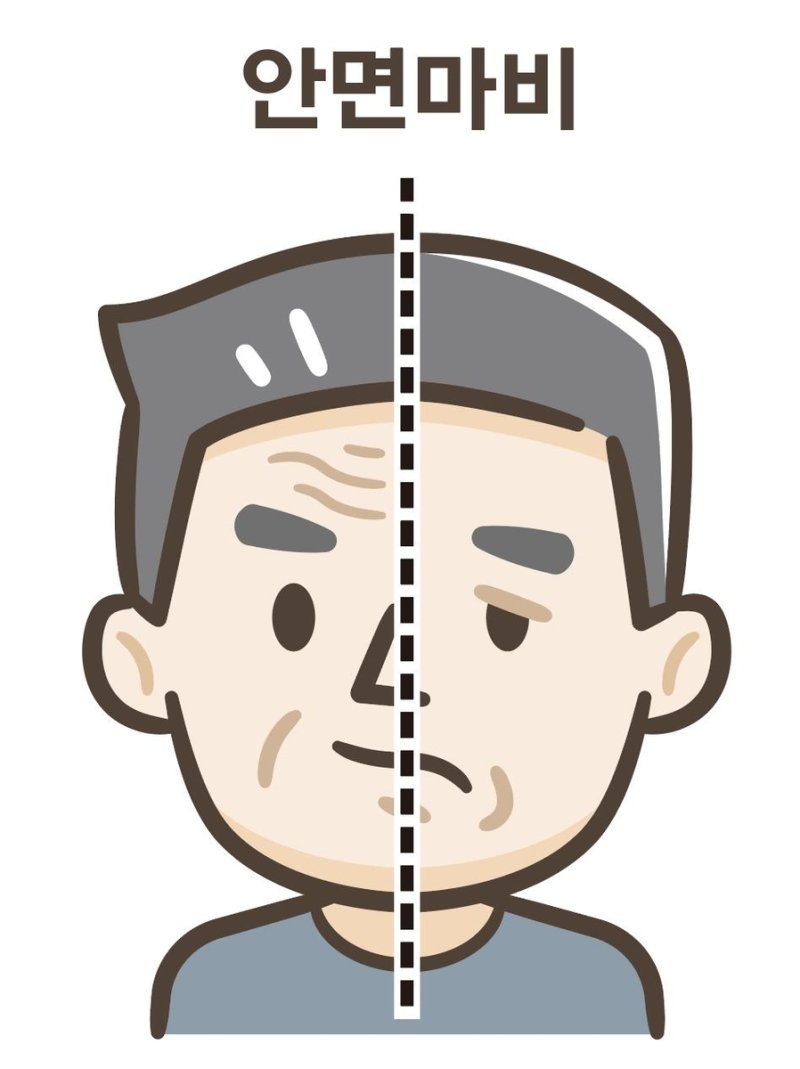
[Financial News] Water runs out of the corner of the mouth when drinking, and the eyes may not close completely at night, making it difficult to sleep. Facial paralysis is not merely a problem with the shape of the face; it affects everyday activities such as eating, speaking and closing the eyes. That is why active treatment is needed from the early stages of the condition. In particular, the first three weeks after onset are a critical period for intensive treatment that can determine the extent of recovery and the likelihood of lasting complications.
Peripheral facial paralysis is a condition in which one side of the facial muscles becomes paralyzed because of a problem with the seventh cranial nerve, or facial nerve, which controls facial movement. The most common form is Bell's palsy. Viral inflammation associated with a weakened immune system is believed to contribute to its development.
Bell's palsy is more common than many people think. According to HIRA, 55,181 patients received treatment for Bell's palsy (G51.0) last year, an increase of approximately 7.1% from 51,511 in 2020.
Mouth Pulls to One Side, Eye Won't Close... Rapid Worsening Within One to Two Days
The most common symptom is an inability to move the muscles on one side of the face properly. The eyebrow may droop, wrinkles may not form normally on the forehead, and the eye may not close completely. The mouth may pull to one side, causing food or water to spill out when eating or drinking. Other possible symptoms include abnormal facial sensations, changes in tear production, heightened sensitivity to sound, altered taste and pain around the ear. Symptoms can worsen rapidly within one or two days after onset and may continue to progress for several days, depending on the extent of nerve damage.
Once nerve damage stops and recovery begins, symptoms gradually improve over several months. However, the more severe the initial nerve damage, the greater the likelihood that recovery will be incomplete and lasting complications will remain. Facial asymmetry or contracture, in which the facial muscles become stiff, may develop. Another common complication is "synkinesis," in which involuntary muscles move at the same time—for example, the mouth moving when a person closes their eyes.
Kim Jeong-hyeon, a professor in the Department of Acupuncture and Moxibustion at Kyunghee University Hospital at Gangdong, explained, "Because the extent of initial nerve damage affects future recovery and the development of complications, it is important not to delay treatment when symptoms appear. In particular, the first three weeks after onset are an important period for accurately assessing the extent of nerve damage and providing intensive treatment."
Personalized Treatment After Assessing the Extent of Nerve Damage
Because the extent of nerve damage varies from patient to patient, facial paralysis requires a treatment plan based on an accurate assessment. In the early stages, tests such as electromyography are used to evaluate damage to the facial nerve and the prognosis. Steroid treatment may also be administered when necessary.
Kim said, "Facial paralysis is not simply a problem with the appearance of the face; it is a condition that affects functions closely connected to daily life, such as closing the eyes, eating and speaking. If one side of your face suddenly stops moving, it is better to seek medical attention promptly and receive an accurate diagnosis than to wait and see."
Remember These Things About Facial Paralysis
1 Seek medical attention as soon as symptoms appear
Do not delay treatment if your mouth pulls to one side or your eye does not close properly.
2 Focus on treatment during the first three weeks after onset
Because early treatment is important, continue treatment consistently according to your medical team's plan.
3 Do not stop treatment on your own even if symptoms improve
Nerve recovery can take time, so continue treatment while monitoring your condition.
1 Seek medical attention as soon as symptoms appear
Do not delay treatment if your mouth pulls to one side or your eye does not close properly.
2 Focus on treatment during the first three weeks after onset
Because early treatment is important, continue treatment consistently according to your medical team's plan.
3 Do not stop treatment on your own even if symptoms improve
Nerve recovery can take time, so continue treatment while monitoring your condition.
[email protected] Jung Myung-jin, medical correspondent Reporter