"K-Defense Expands Export Horizons with Global-Standard Manuals": Expanding S1000D, the 'Standard for Manuals'
- Input
- 2026-09-28 10:12:35
- Updated
- 2026-09-28 10:12:35
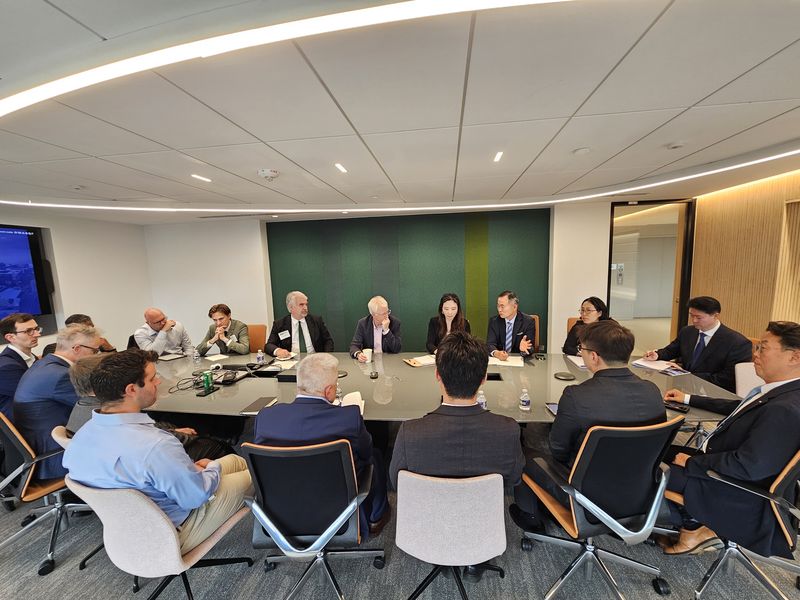
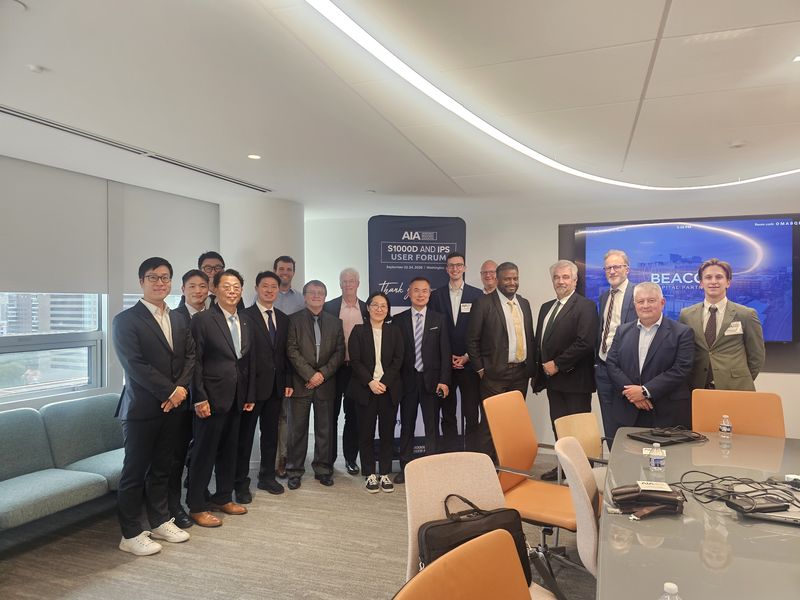
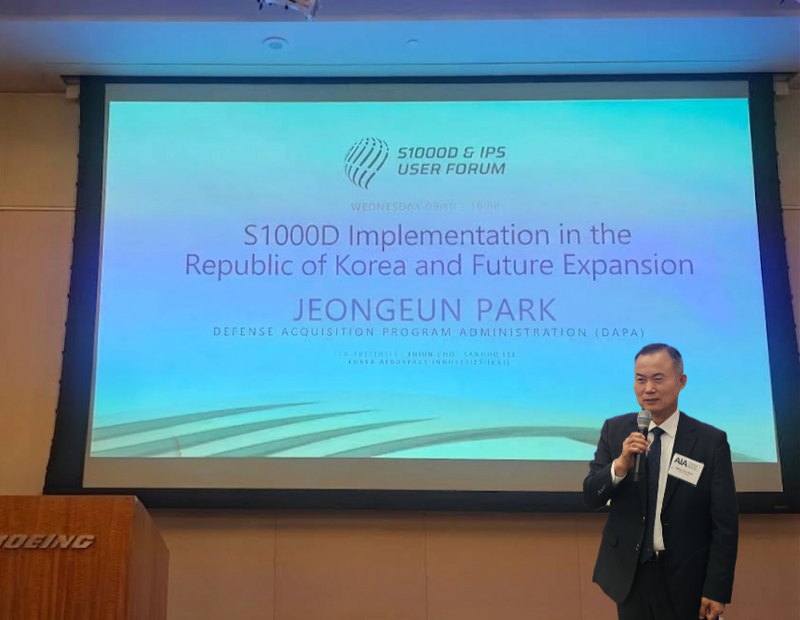
On the 28th, the Defense Acquisition Program Administration (DAPA) said it had carried out international cooperation activities to support the sustainable growth of K-defense by attending the S1000D and IPS User Forum, held in Arlington, Virginia, from the 21st to the 26th local time, as well as Defense Talk 2026, the largest defense information technology (IT) conference in the Washington area.
S1000D, the forum’s central topic, is the global standard for technical manuals that document how to operate and maintain weapons systems. Much as instruction manuals for exported appliances are written in common language and formats that consumers worldwide can understand, S1000D serves as a kind of "common language of the defense industry" by standardizing technical documents across countries. Adopting the standard is essential for importing countries to receive parts smoothly and operate their weapons reliably for decades.
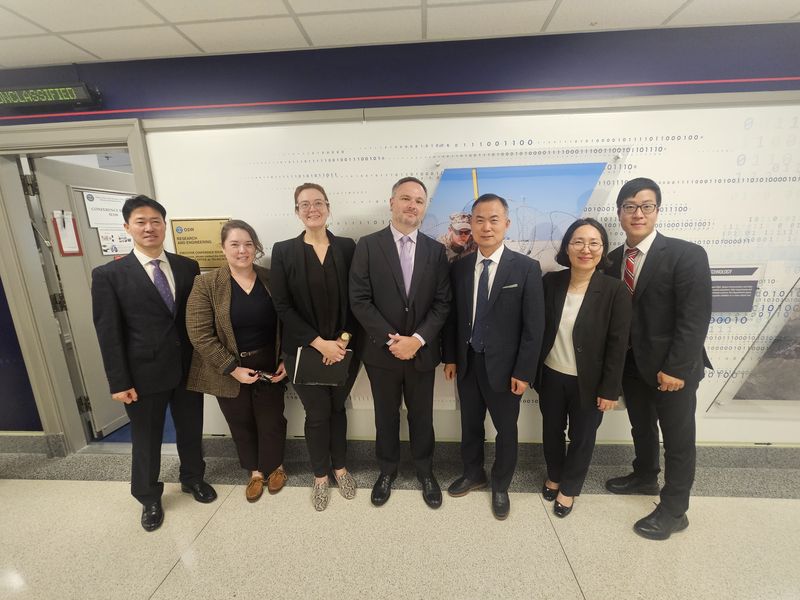
During the visit, Park Jeong-eun, director of DAPA’s Base Power Project Support Division, held a high-level meeting with Caleb Redden, deputy director of the United States Department of Defense’s Digital and Artificial Intelligence Office. They exchanged in-depth views on the application of AI technologies to weapons systems, the standardization of battlefield data, and ways to link manned and unmanned integrated systems.
At the event, DAPA introduced to the international community its successful development of electronic technical manuals for the KF-21 in accordance with S1000D specifications. Having demonstrated South Korea’s independent R&D capabilities in defense logistics documentation, DAPA plans to expand the use of S1000D-based standard manuals across weapons systems exported overseas, including the K2PL, an upgraded K2 tank variant to be exported to Poland, further strengthening export competitiveness.
The delegation also examined a range of detailed tactical technologies that apply AI and digital twins to military operations. Among them were Condition-Based Maintenance Plus (CBM+) and reliability-based cost management (RAM-C), which were discussed with the DoD. These techniques form a kind of comprehensive health-check system for weapons: precision sensors monitor a weapon’s condition in real time, and AI alerts operators to the timing of preventive maintenance before a failure occurs. They also represent an advanced financial-security calculus for managing maintenance budgets throughout a weapon’s entire life cycle at the most efficient cost.
A DAPA official emphasized, "For K-defense to avoid being a short-lived success and continue expanding its reach, international standardization in follow-on logistics support must be completed just as much as weapon performance itself. We will broaden budgetary and technological cooperation with international committees and foreign government agencies to firmly establish global confidence in our weapons systems."
[email protected] Lee Jong-yoon Reporter