SK Incheon Petrochem Begins Major Overhaul of Liquefied Hydrogen Facility, Activates Emergency System Amid Concerns Over Hydrogen Bus Disruptions
- Input
- 2026-09-28 09:30:18
- Updated
- 2026-09-28 09:30:18
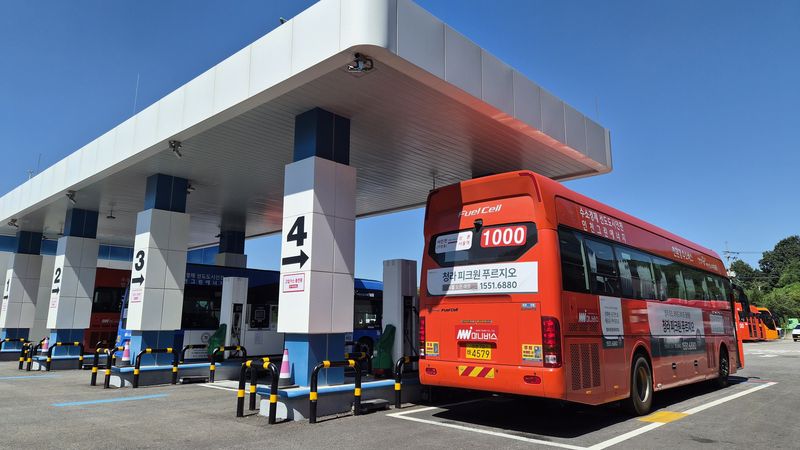
[Financial News, Incheon—Han Gap-su, Reporter] Incheon City will activate an emergency response system to ensure stable hydrogen bus operations amid possible disruptions to hydrogen supplies caused by the scheduled major overhaul of a liquefied hydrogen production facility.
On the 28th, the city said it plans to closely monitor hydrogen supplies and refueling conditions during the 45-day period from October 6 to November 19 and minimize inconvenience to residents by using alternative refueling stations.
SK Incheon Petrochem, home to the country’s largest liquefied hydrogen production facility, will undergo a scheduled major overhaul during this period to ensure the safety and quality of its petrochemical plant. As a result, some disruptions are expected in supplies of liquefied hydrogen for hydrogen buses in Incheon and across the country.
Of the approximately 2,500 city and metropolitan buses operating in Incheon, about 600 are hydrogen-powered.
The city plans to distribute refueling demand by using existing liquid-hydrogen refueling stations and alternative gaseous-hydrogen stations. It will also establish a cooperative network with hydrogen suppliers, refueling stations, transit operators and other relevant organizations to monitor supply and refueling conditions in real time.
To minimize inconvenience to residents, the city will maintain bus intervals during peak commuting hours as much as possible. However, if unavoidable, it plans to flexibly adjust service schedules on some routes after taking into account refueling-station congestion and transit operators’ operating conditions. As a result, some hydrogen bus routes may have longer intervals between departures or experience delays during the overhaul period.
Since August, the city has discussed countermeasures with the Ministry of Land, Infrastructure and Transport (MOLIT), relevant agencies, SK and transit operators. It has also prepared station-specific response measures and alternative refueling plans.
“As some routes may experience longer intervals between departures or delayed service, we ask citizens for their understanding and cooperation,” said Park Seong-sun, director of the Transportation Policy Bureau.
[email protected] Han Gap-su Reporter