"They Put Up a Good Fight Against South Korea's First-Team Pros": Japanese Baseball Fans Lament Korean Victory but Shower Team with Encouragement [Nagoya AG]
- Input
- 2026-09-28 09:00:00
- Updated
- 2026-09-28 09:00:00
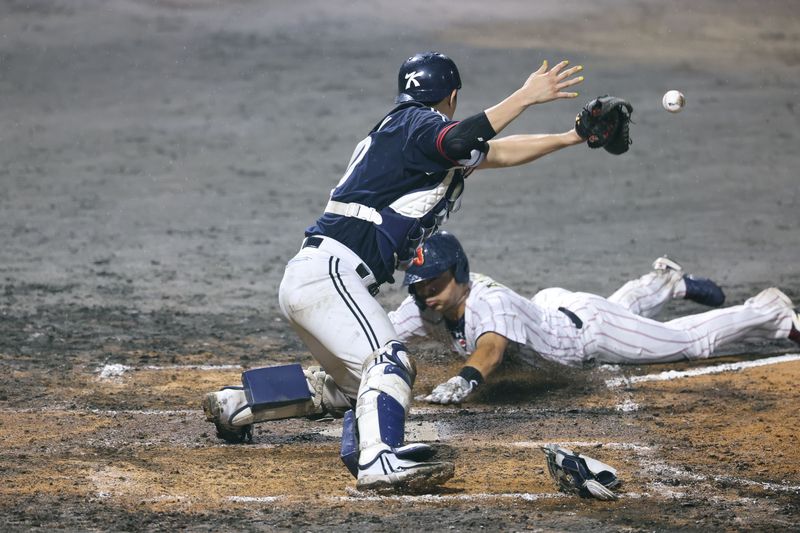
[Financial News] South Korea won its fifth consecutive Asian Games baseball title, avenging its loss from two days earlier. Yet after the game, the mood across Japan, the losing side, was closer to pride and encouragement than anger or frustration. Japanese fans appeared to applaud the tenacity of their country's amateur players, who had held their own against KBO League standouts worth tens of billions of won.
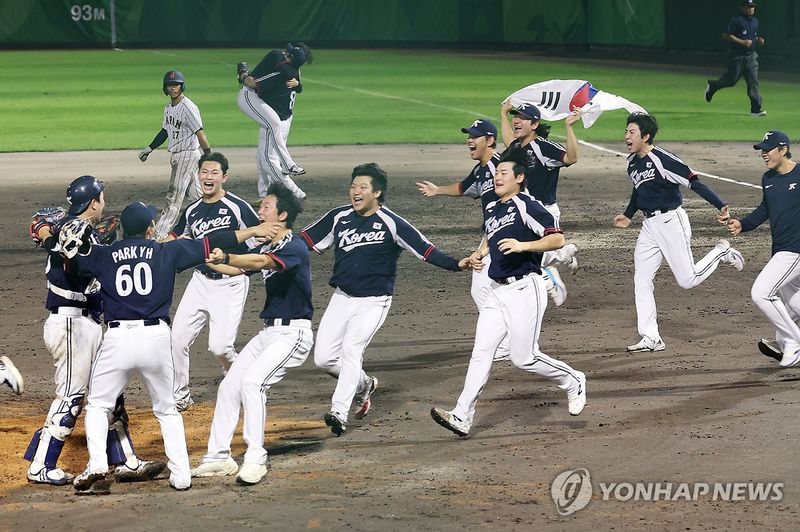
Led by manager Ryu Ji-hyun, the South Korea national baseball team defeated the Japan National Baseball Team 3-1 in the baseball final of the 2026 Aichi-Nagoya Asian Games at Toyohashi Municipal Baseball Stadium in Aichi Prefecture on the 27th. The victory gave South Korea its fifth consecutive gold medal, dating back to the 2010 Guangzhou Games.
Just 48 hours earlier, South Korea had suffered a 0-5 loss to Japan, whose roster consisted of corporate and amateur baseball players. For the final, South Korea made a bold move by starting ace Kwak Bin of Doosan. Kwak kept Japan's lineup scoreless through five innings, allowing just one hit and striking out seven.
Yet the game did not unfold as a one-sided South Korean affair. Moon Hyun-bin of Hanwha drove in the first run with an RBI hit in the top of the second, but the lineup failed to add to its lead, leaving the teams locked in a precarious 1-0 contest. Japan's Sato Yuki then delivered an RBI hit in the bottom of the seventh to tie the game at 1-1. In the top of the eighth, consecutive RBI hits by KIM Do-young of the Kia Tigers and Moon Bo-kyung of LG with two outs and runners on first and third gave South Korea a hard-fought 3-1 victory. It was a nerve-racking win that kept fans holding their breath until the end.
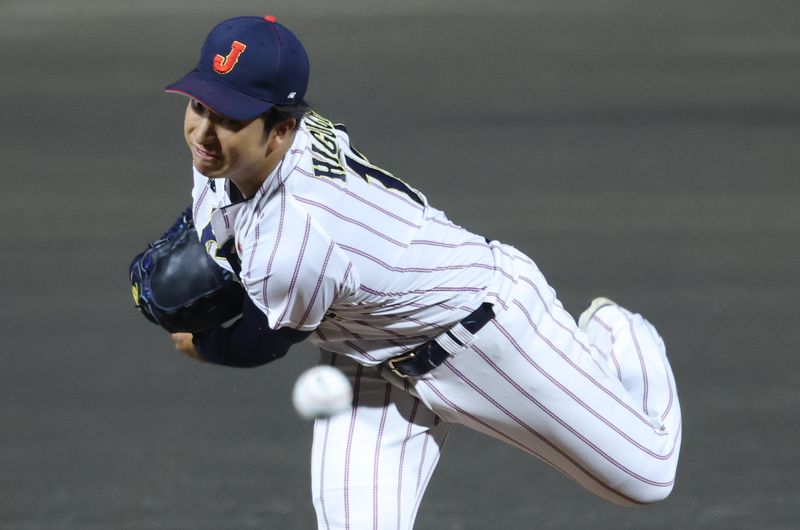
Reactions from Japanese media and fans immediately after the game were unexpectedly calm and heartwarming. Full-Count, a Japanese baseball outlet, reported, "Japan's national team, made up of corporate baseball players, was held in check by South Korea's hard-throwing ace Kwak Bin and had to settle for silver." It nevertheless praised the players, saying, "But they made it all the way to the final and put on a magnificent performance against South Korea's professional-led national team."
Japanese baseball fans online also offered consolation rather than criticism. When Japan tied the game in the seventh, messages of support flooded Japanese social media, including, "Our corporate-amateur national team tied the game against South Korea's professional squad. They're doing really well." After Japan surrendered the lead in the eighth and the defeat became certain, the prevailing mood was one of gracious acceptance: "Is this where the limits of amateurs show? Professionals really are different," and, "But they even recorded a shutout win against an all-professional South Korean team and played the final on equal terms. That alone makes this a truly great silver medal."
In the end, South Korea was the side celebrating, having claimed the gold medal. Erasing the humiliation from 48 hours earlier and retaining its place atop Asian baseball was undoubtedly a valuable achievement.
However, considering the objective gap in strength between professionals and amateurs, Japan's atmosphere—encouraging one another with dignity even after a defeat—leaves a peculiar bitterness. It is time to take a sober look at the current state of South Korean baseball, which has been obscured by the gold medal.
[email protected] Jeon Sang-il Reporter