Hangang Bus Fares to Rise on Weekends... Seoul to Pursue Differential Fare System
- Input
- 2026-09-28 06:00:00
- Updated
- 2026-09-28 06:00:00
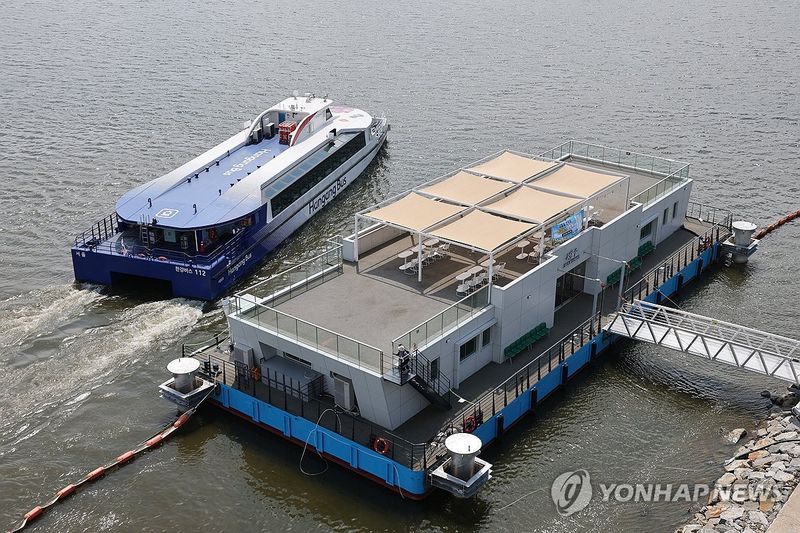
[Financial News] The Seoul Metropolitan Government is pursuing the introduction of a differential fare system for the Hangang Bus, with fares varying depending on whether passengers ride on weekends or public holidays or make advance reservations. The weekday base fare will remain at 3,000 won, while additional charges will be imposed on passengers using the service on weekends and public holidays, when demand is concentrated.
The Seoul Metropolitan Government said on the 28th that it will hold a public hearing on the introduction of the differential fare system at 10 a.m. on the 29th at the Welfare Building of the Seosomun Government Complex. The hearing will gather opinions from citizens, experts and others on reforming the Hangang Bus fare system.
Since its launch in September last year, the Hangang Bus has operated under a single-fare system that applies a base fare of 3,000 won regardless of travel time or service type. As ridership has grown, with daily passengers exceeding 7,000 for the first time on the 19th, calls have emerged for the introduction of an advance reservation system. Some citizens have complained of inconvenience caused by first-come, first-served boarding and longer waits on weekends and public holidays, when demand is concentrated.
The Seoul Metropolitan Government explained that it had determined that the current system, which applies the same uniform fare to passengers with different travel purposes and levels of demand, also needs to be revised. One proposed approach is to apply different fares to citizens using the service for public transportation purposes, such as weekday commuting; passengers using it for weekend leisure or tourism; and those using the advance reservation service.
The plan is to use the differential fare system to spread demand concentrated on weekends and public holidays across weekdays. Revenue generated from the additional charges would cross-subsidize weekday fares, allowing the base fare to remain at 3,000 won. The Seoul Metropolitan Government believes this would preserve the Hangang Bus's public-service role as public transportation while applying the "beneficiary-pays principle" based on demand.
The public hearing on the 29th will discuss the need to introduce the differential fare system, as well as the items subject to differential fares, including weekend and public holiday use and advance reservations, and the setting of a fare cap relative to the base fare.
The Seoul Institute will also present the appropriate fare level for the Hangang Bus and the impact of fare changes on public finances, based on the findings of its study titled "Measures to Minimize the Financial Impact of Hangang Bus Operations in Seoul."
The Seoul Metropolitan Government plans to establish detailed fare rules reflecting opinions presented at the public hearing. After gathering the views of the Seoul Metropolitan Council and completing procedures such as obtaining consent to an amendment to the agreement, it plans to introduce the differential fare system as early as the first half of next year.
Park Jin-young, head of the Seoul Metropolitan Government's Future Hangang Bureau, said, "We will keep the existing weekday base fare unchanged while establishing a sophisticated fare system that responds to diverse types of demand in a tailored manner."
[email protected] Seong Cho-rong Reporter