[Editorial] Set Clear Spending Principles First for Future Response Fund Topping 200 Trillion Won
- Input
- 2026-09-27 18:20:42
- Updated
- 2026-09-27 18:20:42
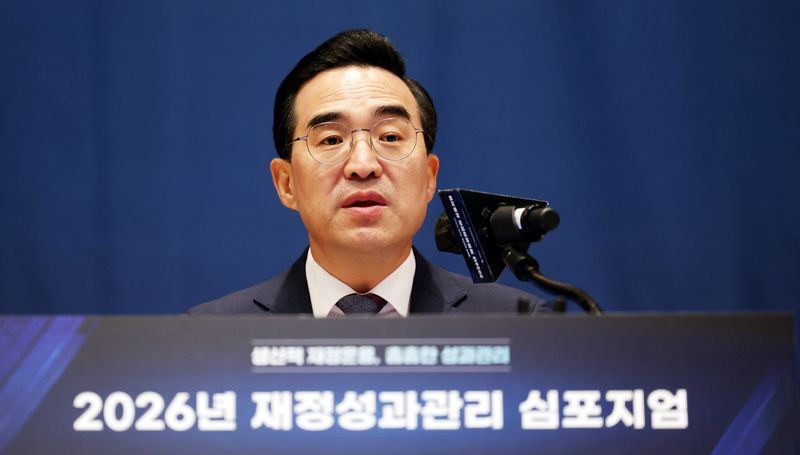
Collecting more tax revenue than expected can ease pressure on fiscal management. The Future Response Fund's objective of investing part of the increased revenue generated during an economic boom in areas with future growth potential and setting aside funds for periods of declining tax revenue is also reasonable. The government said it would invest 45.4 trillion won next year in youth programs, growth engines, local development, education and talent, while using 12.5 trillion won to reduce new government bond issuance.
The problem is that as the fund grows, the government's discretion could expand as well. According to fund briefing materials that the Ministry of Planning and Budget recently submitted to the National Assembly of the Republic of Korea, 119 of the 131 pure spending projects for next year were incorporated exactly as requested by the relevant ministries. Including new and expanded projects, 125 were budgeted at or above the original proposals. Only six projects were cut. This alone does not establish that the review was inadequate, but a massive fund exceeding 200 trillion won should be subject to stricter project-selection standards and performance verification than the ordinary budget.
It is also necessary to thoroughly examine whether the government is seeking to expand its discretion in managing the fund excessively. The government is pursuing legislation that would allow national treasury subsidies under the Future Response Fund's local account to be used for up to three years. It also reportedly plans to allow spending on major items to be adjusted within a certain range without separately revising the fund management plan. The explanation that local projects may be delayed because of design work or site selection is reasonable.
However, the more exceptions there are, the wider the gap may become between the original plan reviewed by the National Assembly of the Republic of Korea and actual execution. Criticism that the fund could become a political slush fund is therefore understandable. The scope and conditions for project spending that can be changed without National Assembly review should be strictly defined, and the reasons should be disclosed promptly. A mechanism should also be established to automatically recover funds when performance is poor.
Spending principles must also be carefully aligned with the nature of the funding. The government should be wary of using temporarily increased tax revenue to support ongoing spending that is difficult to reduce once it begins. The Future Response Fund includes projects likely to require continued spending, such as a basic child allowance and basic income for rural and fishing communities, alongside future investment projects involving industrial infrastructure and talent development. Even if a downturn in the semiconductor market reduces tax revenue, programs introduced once will not be easy to eliminate. Ultimately, they may have to be financed through other taxes or government bonds.
For that reason, clear spending principles must be established before the fund is created. Temporary excess tax revenue should first be used for time-limited investments that enhance growth potential, such as Artificial Intelligence (AI) and semiconductor infrastructure, research and development, and talent development. Programs that create an ongoing fiscal burden should be pursued only after stable revenue sources have been secured separately. Standards are also needed to ensure that a certain portion of excess tax revenue remains available to reduce government debt or serve as a fiscal buffer against an economic downturn, so that the fund's other purpose—fiscal stabilization—does not become meaningless.
A fund that could exceed 200 trillion won is not simply spare cash. If the purpose of a fiscal reservoir is to preserve the fiscal capacity secured during a boom for future growth and an economic downturn, the threshold for spending must not be lowered merely because substantial funds have come in. Fiscal management should be even more cautious when tax revenues are strong. During its review of the Future Response Fund Act and amendments to the National Finance Act, the National Assembly of the Republic of Korea must first establish strict spending principles and standards.