Nuclear Forces and Cost-Effective Drones Pose a Simultaneous Threat... The Battlefield Is Heading Toward ‘Hybrid Warfare’ [Lee Jong-yoon’s Military World]
- Input
- 2026-09-27 18:09:47
- Updated
- 2026-09-27 18:09:47
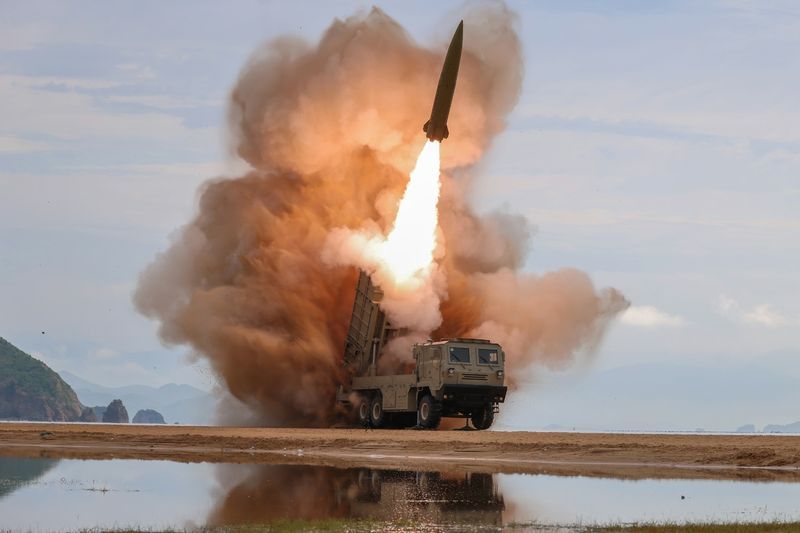
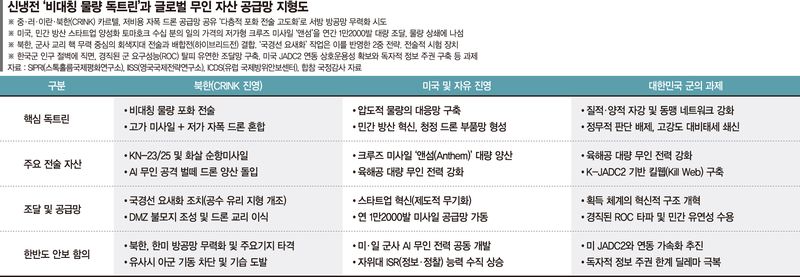
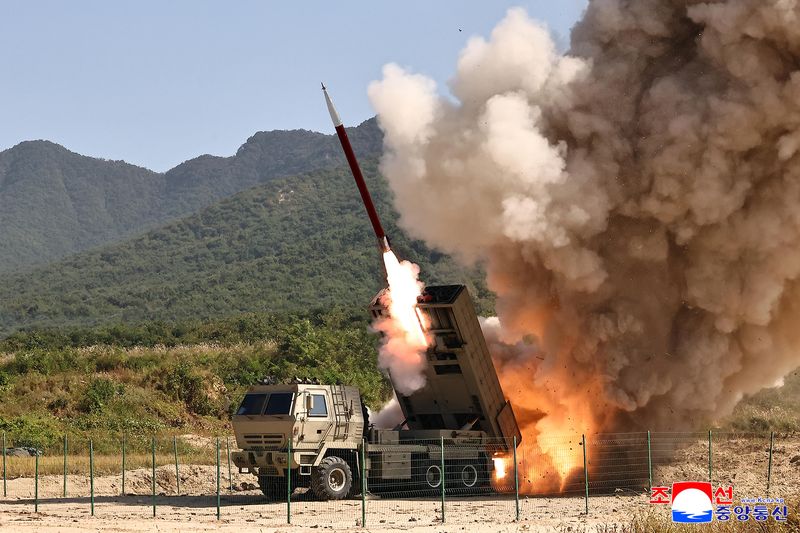
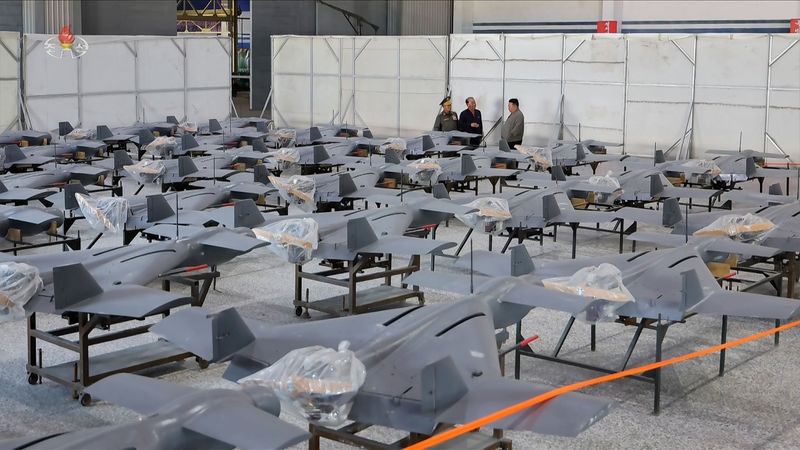
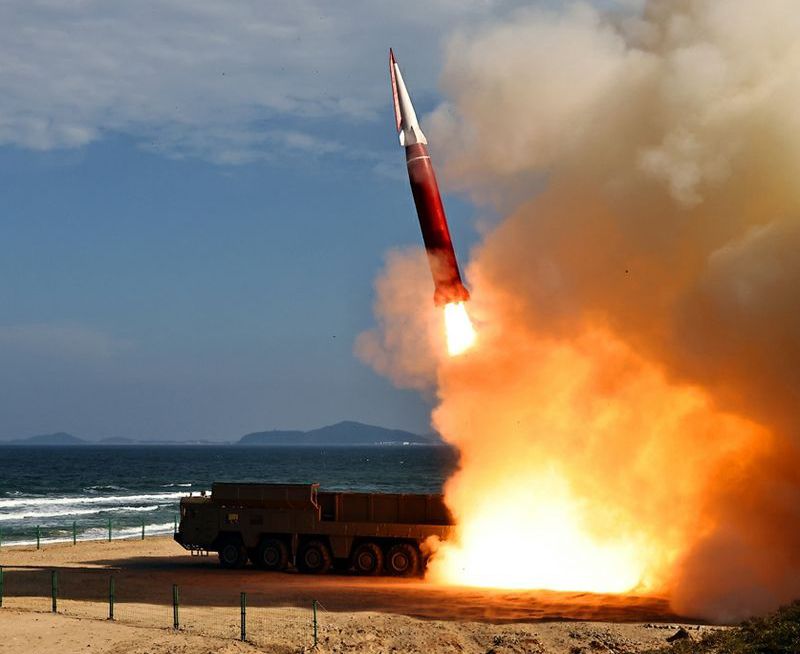
North Korea’s Hwasal-1 and Hwasal-2 and Pulhwasal-3-31 long-range strategic cruise missiles fly at subsonic speeds, approximately Mach 0.75 to 0.85, and have ranges of 1,500 to 2,000 kilometers. They can alter their trajectories and fly evasively for several hours. This means they could strike Camp Humphreys, Gyeryongdae and the U.S. Navy base in Yokosuka, Japan. North Korea’s version of the Iskander, the KN-23, and its KN-25 super-large multiple rocket launcher are solid-fuel hypersonic ballistic systems capable of surprise launches, with maximum speeds estimated at Mach 6 to 7 and speeds of Mach 4 to 5 during descent and the terminal phase. A “pull-up maneuver” has been observed during the terminal phase. These missiles are mainly test-fired north of Pyongyang and are designed to improve their ability to evade interception. Depending on their launch angle, they could strike the headquarters of South Korea’s army, navy and air force, as well as Osan Air Base and Kunsan Air Base, within minutes. In addition, North Korea’s much-publicized “AI unmanned attack complex” is reportedly entering the stage of operational deployment. Even taking into account the diminished credibility of North Korea’s claims, the “saturation tactics” of launching attacks in multiple layers are rapidly emerging as a real threat.
North Korea’s calculations are plainly exposed in its so-called “border fortification” efforts, including the creation of barren strips north of the Military Demarcation Line (MDL), the expansion of tactical road networks and the reinforcement of minefield deployments. As the military theorist Carl von Clausewitz emphasized in On War, defense does not merely mean holding ground; it also contains “a more powerful offensive means of luring in and striking the enemy.”
The International Institute for Strategic Studies in the United Kingdom noted that the Russia-Ukraine battlefield is applying a military doctrine centered on trench warfare and the creation of technologically enabled kill zones across broad, flat open terrain. Analysts assess that North Korea, having studied this doctrine, intends to drive South Korean forces attempting to avoid minefields into barren areas where drones can guide attacks, then destroy them with “swarms of one-way attack drones.” The expansion of tactical road networks is viewed as an effort to secure supply routes, rapidly concentrate frontline troops and firepower, and establish routes for immediate evasion and redeployment after strikes. This indicates that North Korea’s border fortifications and related operations are not merely defensive walls.
The circumstances surrounding a mine accident involving a South Korean search party in a gap in the military’s continuous surveillance network along the frontline warn that this asymmetric scenario is a real and present threat. With China and Russia as its backers, North Korea continues to carry out tactical provocations that exploit blind spots in the South Korean military and the United Nations Command while brandishing its nuclear forces.
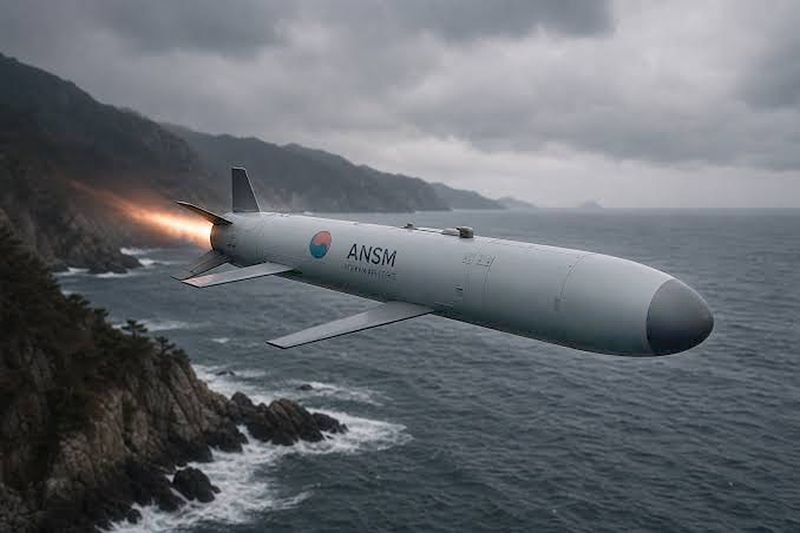
The new Cold War battlefield, dominated by asymmetric saturation tactics, is taking direct aim at the blind spots of the traditional government-led procurement system for expensive weapons. South Korea’s military currently aims to secure 50,000 drones by 2029. Ukraine, however, which is fighting an actual full-scale war, has demonstrated a production revolution by boldly dismantling rigid required operational capabilities (ROC) and combining them with civilian distribution systems. It has built an overwhelming drone production network capable of producing 3 million drones annually and deploying more than 2 million unmanned assets each year. Under this system, private startups register tactical drones that meet minimum operational requirements on a military-run procurement app similar to a civilian e-commerce platform. Frontline commanders can then immediately purchase drones suited to battlefield conditions through their smartphone screens, while the government settles the payments afterward. Military experts point out that without this fundamental shift in procurement, South Korea’s goal of creating “500,000 drone warriors” will remain out of reach, and the country will inevitably fall dangerously behind North Korea’s pace of asymmetric mass production. Analysts say South Korea’s military urgently needs structural reform to reasonably lower entry barriers, foster the relevant ecosystem and actively embrace the flexibility and speed of the private sector.
The trend toward alliance-led qualitative network enhancement is also evident in the proposed defense spending under the National Defense Authorization Act (NDAA) for fiscal year 2027, which amounts to $1.15 trillion, or approximately 1,700 trillion won, including the War Department budget. The United States is already operating and expanding the world’s most powerful high-altitude military satellite network, along with an extensive network of more than 10,000 low-orbit satellites, backed by its formidable financial resources.
South Korea’s military must now make a major doctrinal shift in the arms race by developing “offensive asymmetric countervailing capabilities” to neutralize North Korea’s asymmetric threats and converting its overwhelming economic advantage into defense resources for the urgent expansion of Korean unmanned and precision weapon systems.
The Korean Peninsula bears the geoeconomic destiny of being located at the center of a region where the world’s most powerful militaries are concentrated. That is why strengthening defense self-reliance while building a firm ROK-U.S. Alliance is itself an essential strategy for self-reliance and survival. Global think tanks, including the RAND Corporation, have analyzed in recent reports on the Indo-Pacific theater that South Korea and Japan, as major regional powers, could play defense-industry and military roles commensurate with their national stature in the rapidly changing new Cold War battlefield. By doing so, they could speak assertively even to their ally, the United States, and hold the key to securing strategic initiative and survival.
[email protected] Lee Jong-yoon Reporter