U.S., Japan Join Forces Through Advanced Technology to Bring Forward the Era of Robotic Ground Forces [Lee Jong-yoon’s Military World]
- Input
- 2026-09-27 18:09:37
- Updated
- 2026-09-27 18:09:37
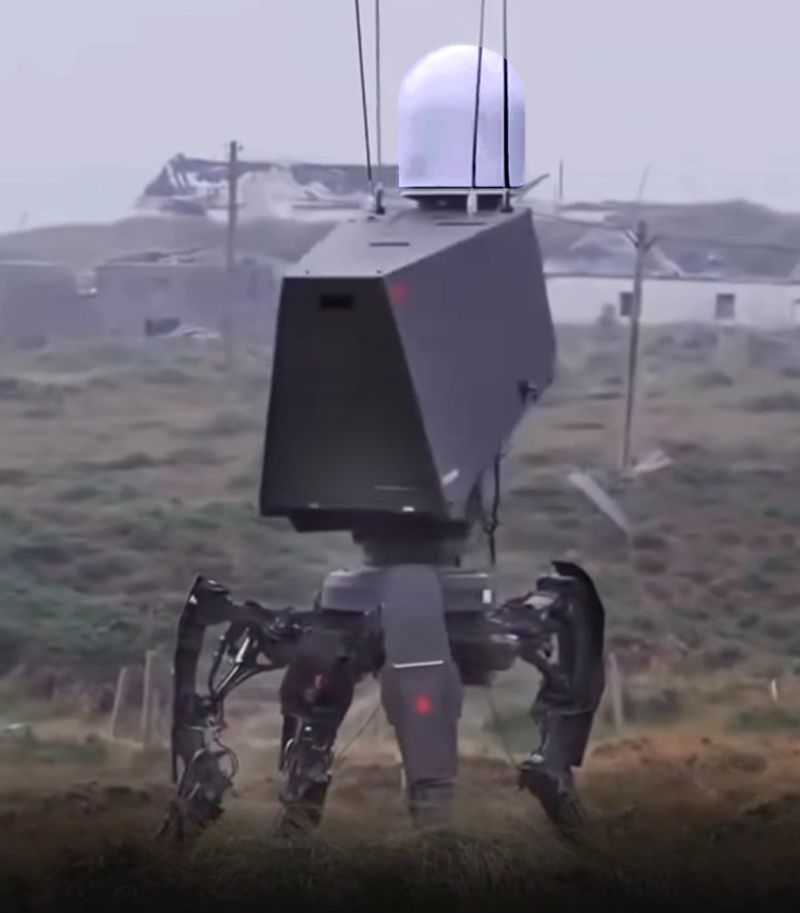
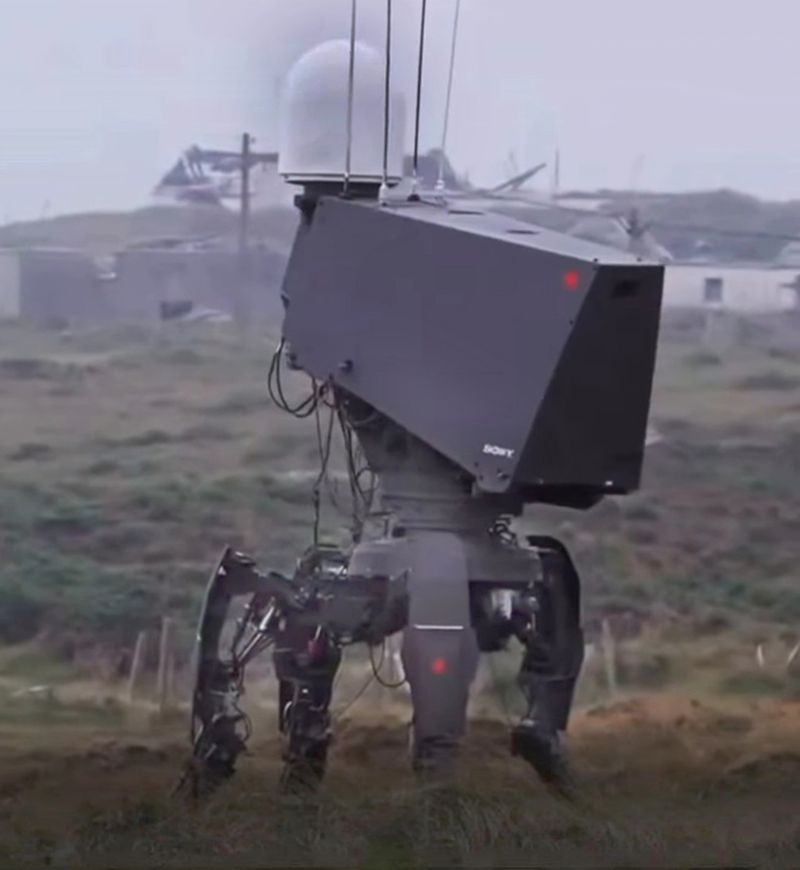
The backdrop to the global defense market’s immediate response to this fictional image is Japan’s unparalleled store of robotics-control and optical-technology assets accumulated over decades. Japan is a pioneer in civilian intelligent robotics. The real-time sensor-fusion and multi-joint control mechanisms Sony developed through its AIBO artificial-intelligence robot, along with the world-leading bipedal and quadrupedal autonomous-walking algorithms represented by Honda’s ASIMO series, go far beyond mere demonstrations of technical prowess. These technologies are core software assets for unmanned combat systems capable of maintaining their balance, avoiding obstacles and charting their own routes across rugged battlefield terrain.
In particular, Japan’s globally leading manufacturing technologies for high-precision actuators, or motor-driven systems, and ultra-high-performance CMOS image sensors, semiconductor devices that convert light into digital signals, possess formidable potential to determine tactical outcomes if integrated into unmanned platforms for military reconnaissance.
Defense experts say that, judging from the recent trajectory of U.S.-Japan military cooperation, the launch of concrete dual-use projects combining Japan’s highly reliable hardware-module technology with U.S. military autonomous-driving software is now imminent.
Japan broke with its decades-long blanket ban on exports of weapons and related technologies by adopting the Three Principles on Transfer of Defense Equipment and Technology in 2014. It then completely revised the guidelines in December 2023 and March 2024, allowing exports of lethal weapons to third countries. The changes made it possible for Japan to license-produce Patriot (PAC-3) interceptor missiles domestically under licenses from U.S. companies and re-export them to the United States.
Building on its unparalleled civilian advanced technologies, Japan has recently begun substantially expanding next-generation unmanned capabilities in cooperation with allies such as the United States.
[email protected] Lee Jong-yoon Reporter