Trump Rejects Iran’s “Seven-Day Plan” Peace Proposal; Iran Says It Is Waiting for a “Definitive Position”
- Input
- 2026-09-27 17:44:51
- Updated
- 2026-09-27 17:44:51
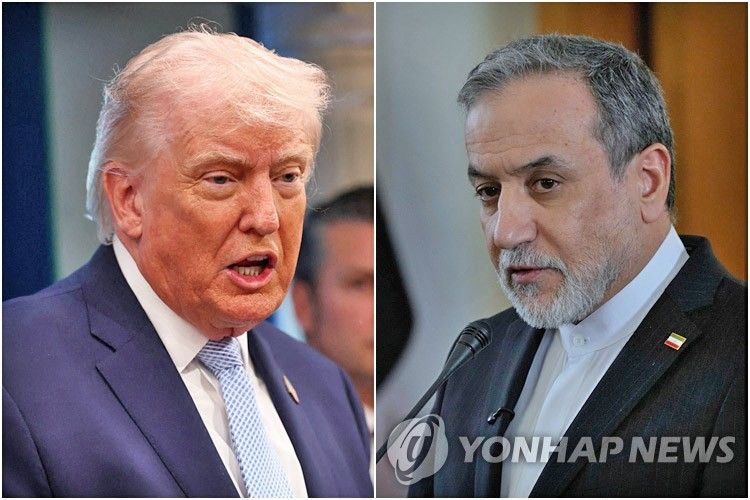
On the 26th local time, President Trump said of Iran’s proposal, “I rejected their proposal.” He claimed, “Iran is so badly defeated that it wants to make a deal to immediately open the strait.” Iran had previously proposed to the United States that it could reopen the Strait of Hormuz within seven days if Washington implemented the following measures: lifting the maritime blockade, returning frozen funds, establishing a ceasefire on all fronts, and exempting Iranian crude oil exports from sanctions.
President Trump said, “I like making deals too,” but drew a line by adding, “But I cannot accept that deal.” He continued, “A tremendous amount of oil came out through the Strait of Hormuz last night, and 29 vessels also came out.” His remarks were interpreted as suggesting that the United States has already taken control of the Strait of Hormuz, leaving it in no rush to accept Iran’s proposal and willing to continue negotiations while maintaining terms favorable to the United States.
In this connection, The Wall Street Journal (WSJ) reported the previous day, citing U.S. officials, that “President Trump is skeptical of the ceasefire proposal put forward by Iran and has left open the possibility of resuming bombings against Iran after the U.S. midterm elections in November.”
Foreign Minister Araghchi, who traveled to the United States to attend the United Nations General Assembly and is scheduled to remain there through the 30th, said, “We have seen the first reaction from the U.S. president.” He added, “However, nothing has yet been conveyed to us by the mediators, and we are waiting for a definitive position to be delivered through them.” He continued, “The U.S. president said some good things, but he also made many contradictory statements, which unfortunately is something we have often seen,” adding, “We will make our decision based on the United States’ definitive position.”
Foreign Minister Araghchi stressed, “In any case, our conditions are clear,” adding, “Any progress toward reopening the Strait of Hormuz is contingent on our conditions being fulfilled, and we will never back down from them.” He continued, “They can escape this deadlock only through negotiations,” and argued, “We have never closed the door to diplomacy and negotiations, while at the same time we have not given up our rights, so we hold the political upper hand.”
Foreign Minister Araghchi said, “I held several meetings with Iranian President Masoud Pezeshkian on the occasion of the United Nations General Assembly.” He added, “At these meetings, our core position was to explain Iran’s conditions for reopening the Strait of Hormuz and advancing negotiations, and these conditions were decisions made by the Supreme National Security Council.”
In an interview with Columbia Broadcasting System (CBS), President Pezeshkian said, “Iran is prepared to negotiate on various issues, including its nuclear program, but it will not accept harassment or coercion.” He added, “Iran does not want war, but it will defend itself against pressure, threats and attacks,” and continued, “We have already agreed not to develop nuclear weapons.”
While expressing its willingness to negotiate over the nuclear issue, Iran has maintained its existing position regarding uranium enrichment. A senior Iranian official previously told British media, “Iran will not make concessions regarding its right to enrich uranium or the issue of sending highly enriched uranium out of the country.”
[email protected] Hong Chae-wan Reporter