"Neither Gold nor Bitcoin": The KOSPI 200 Index Delivered the Highest Investment Return This Year
- Input
- 2026-09-28 04:20:00
- Updated
- 2026-09-28 04:20:00
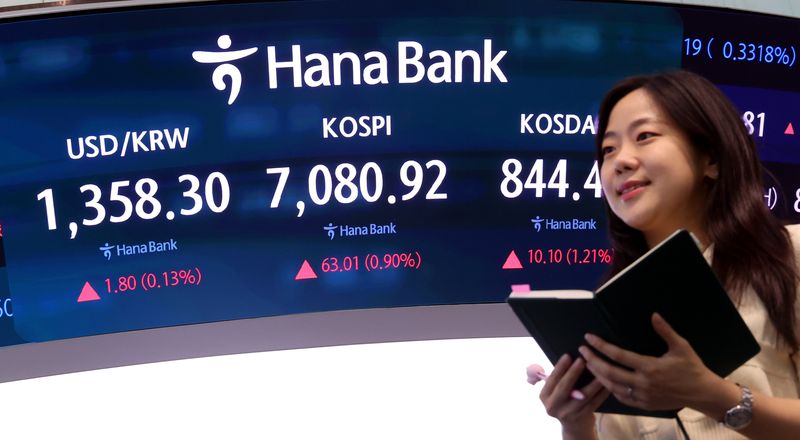
[Financial News] Among major investment vehicles this year, the exchange-traded fund (ETF) tracking the KOSPI 200 Index delivered the highest return. KODEX 200 has gained more than 80% since the beginning of the year, while the return on one-year fixed-term deposits at the five major banks was below 2%.
According to Daishin Securities' analysis of investment returns by asset class released on the 27th, the price of KODEX 200, which tracks the KOSPI 200 Index, rose from 60,460 won on January 2 to 109,285 won on the 20th. Its return since the beginning of the year was 80.76%.
KODEX 200 is an ETF that tracks the movements of the KOSPI 200 Index, which consists of 200 leading large-cap domestic stocks. Although the KOSPI 200 Index fell more than 20% from its peak in July, its cumulative return since the beginning of the year was the highest among the assets surveyed.
The gap with bank deposits was also substantial. During the same period, the return on one-year fixed-term deposits at the five major banks—Nonghyup Bank, KB Kookmin Bank, Shinhan Bank, Hana Bank and Woori Bank—was 1.99%. The return on KODEX 200 was approximately 40.6 times that of the deposits.
The fixed-term deposit return was calculated by applying the average annual base rate of 2.77% at the five major banks as of the reference date and prorating the interest that could have been earned over 262 days, from January 1 through the 20th. Returns for all assets were calculated before management fees and taxes.
Crude oil also posted a strong return. The price of West Texas Intermediate crude oil (WTI) front-month contracts rose from $57.41 to $96.08 per barrel during the same period, a gain of 67.36%.
The average return of 272 domestic actively managed equity funds with assets under management of at least 10 billion won was 58.07%.
By contrast, the return on the State Street SPDR S&P 500 ETF Trust (SPY), which tracks the U.S. Standard & Poor's 500 Index (S&P 500), was 11.08% over the same period, lower than that of domestic stock-related products.
Gold, bitcoin and bonds were priced or valued lower than at the beginning of the year.
The domestic retail price of gold fell from 883,000 won per 3.75 grams (one don) in early January to 860,000 won on the 20th, a decline of 2.60%. Bitcoin also fell from approximately $89,953 to $80,793 during the same period, recording a return of -10.18%.
Bonds also declined from the beginning of the year. The Korea Investors Service (KIS) Bond Composite Index, which reflects interest income as well as gains and losses from changes in bond prices, fell from 279.70 to 269.15, down 3.77% since the beginning of the year.
The won strengthened against the dollar and the yen. The won-dollar exchange rate fell from 1,466.70 won per dollar to 1,380.30 won, a decline of 4.59%, while the won-yen exchange rate fell from 922.70 won per 100 yen to 884.33 won, down 4.16%.
Meanwhile, securities analysts have forecast that domestic stocks could attempt further gains, led by semiconductor and artificial intelligence (AI)-related shares, if pressure from interest rates and international oil prices eases.
[email protected] Han Seung-gon Reporter