Police Officer Confesses to Café Owner With Sketchbook... Supreme Court Overturns Ruling That Canceled Demotion
- Input
- 2026-09-27 12:48:43
- Updated
- 2026-09-27 12:48:43
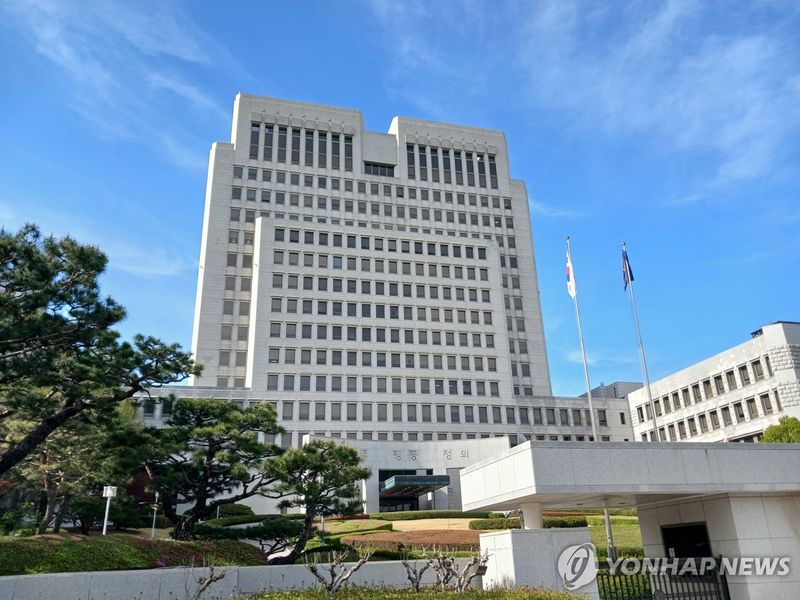
According to legal sources on the 27th, the First Petty Bench of the Supreme Court of Korea, with Justice Shin Sook-hee presiding over the case, vacated a lower court ruling in favor of Officer A of Busan Haeundae Police Station in an appeal filed against the chief of the Busan Metropolitan Police Agency. The court remanded the case to the Busan High Court.
Officer A was demoted in 2023 on five grounds, including inappropriate remarks and conduct unbecoming a police officer. In July of that year, he allegedly became angry and spoke sarcastically while sending home a caller who had reported that her estranged husband might commit suicide. After the caller filed a complaint, he allegedly demanded its withdrawal through 20 phone calls and 19 text messages. He was also accused of making threatening remarks during an argument with a junior officer, making inappropriate comments after obtaining the contact information of a female traffic-accident offender from a colleague, and confessing his affection to a café owner from outside her window with a sketchbook while on patrol.
The central issue was whether the demotion exceeded or abused the agency's discretionary authority. The lower courts reached different conclusions. The first trial rejected Officer A's claim, finding no reason to believe that the complainants and police officers who testified had distorted the facts to defame him. It also determined that his conduct had undermined internal police discipline and public trust. The second trial, however, recognized only three of the five grounds for discipline and canceled the demotion, ruling that the violations were not sufficiently serious and that the purpose of discipline could have been achieved through a penalty lighter than demotion.
The Supreme Court left intact the second trial's findings on whether the grounds for discipline existed, saying that issue fell within the authority of the fact-finding court. It reached a different conclusion, however, regarding the severity of the penalty. The court found that under the detailed enforcement rules of the Disciplinary Decree for Police Officials, the single act of demanding that a complaint be withdrawn could warrant demotion. Because the other two grounds were also recognized, a disciplinary decision one level more severe than demotion could also have been imposed. In other words, the penalty could still be deemed consistent with the internal standards for determining disciplinary measures even if some grounds were not recognized.
Regarding the demand to withdraw the complaint, the court ruled, "The plaintiff's conduct was serious in terms of misconduct and highly blameworthy, and it must be viewed as having seriously damaged discipline within the police organization and public trust in the organization." The court pointed out that he continued contacting the complainant even after she clearly indicated that she did not want to be contacted, and that he disobeyed a superior's order not to contact her. It also cited the complainant's statement during the police investigation that she was frightened simply by receiving calls from him.
The Supreme Court also overturned the second trial's finding that the degree of neglect of duty involved in the café confession was minor. The court said Officer A continued approaching the owner and confessing his feelings despite her refusal, causing her "psychological distress, including sexual discomfort or aversion," and concluded that the case could not be considered minor.
[email protected] Kim Dong-gyu Reporter