Music Whipped Up in 10 Seconds... How Perfect 'Fakes' Threaten K-Pop's Authenticity [Park Ji-hyun's Art World]
- Input
- 2026-09-27 00:59:59
- Updated
- 2026-09-27 00:59:59
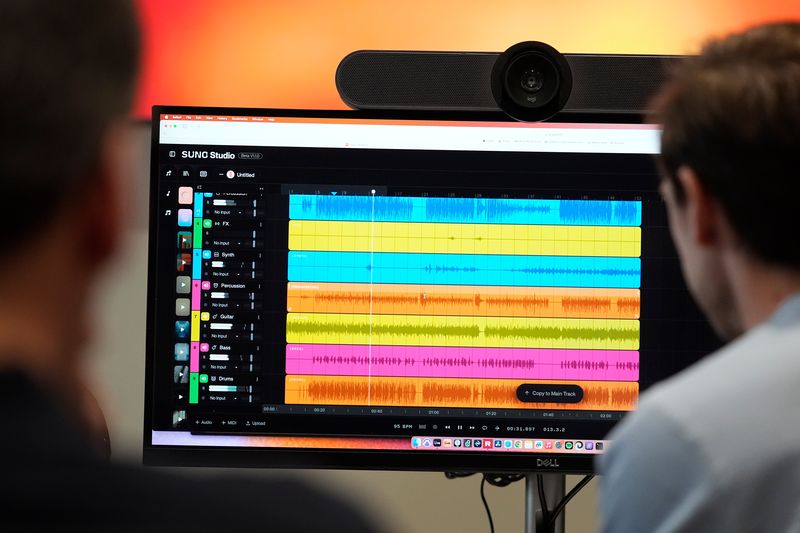
[Financial News] "It's raining out. Make me a gentle ballad suited to the season." Entering a single prompt produces a convincing song in just a few seconds. That is the power of Suno, a generative AI music service with more than 100 million subscribers. As the forefront of creativity, once considered a sanctuary reserved exclusively for humans, gives way to algorithms, the global entertainment industry is undergoing an unprecedented upheaval.
Recently, major foreign media outlets, including The New York Times (NYT), the Financial Times (FT), and The Wall Street Journal (WSJ), have all focused on AI's enormous impact on the music industry, the greed of capital, and the erosion of 'authenticity.'
■ 'Pirate' or 'Partner'... AI Disrupts Music Creation and Distribution
In the global music market, AI is threatening the existing ecosystem while wearing the mask of 'innovation.' According to the FT, French music streaming platform Deezer said in July that more than half of all newly uploaded music—an average of 90,000 songs per month—was generated by AI. An even more serious problem is 'streaming fraud,' in which large volumes of AI-generated tracks are produced and bots are used to manipulate play counts. Deezer disclosed that up to 85% of streams of tracks generated entirely by AI were fraudulent last year, with royalties that should have gone to legitimate artists instead flowing directly into fraudsters' pockets.
In addition, major record labels such as Sony, Universal, and Warner have filed multimillion-dollar copyright infringement lawsuits, alleging that Suno trained on millions of copyrighted works without authorization. The NYT, however, sharply criticized the contradictory stance of these powerful companies. Looking beneath the lawsuits, Warner Music and others are reportedly already signing official licensing agreements with Suno and Udio while investing large sums in the development of new AI models. The NYT described the situation this way: "For the existing music industry, AI is both a 'pirate' to sue and a 'partner' with which it must join forces to create new revenue streams."
■ Virtual Idols and AI Under Attack... "Will Fans Really Open Their Wallets?"
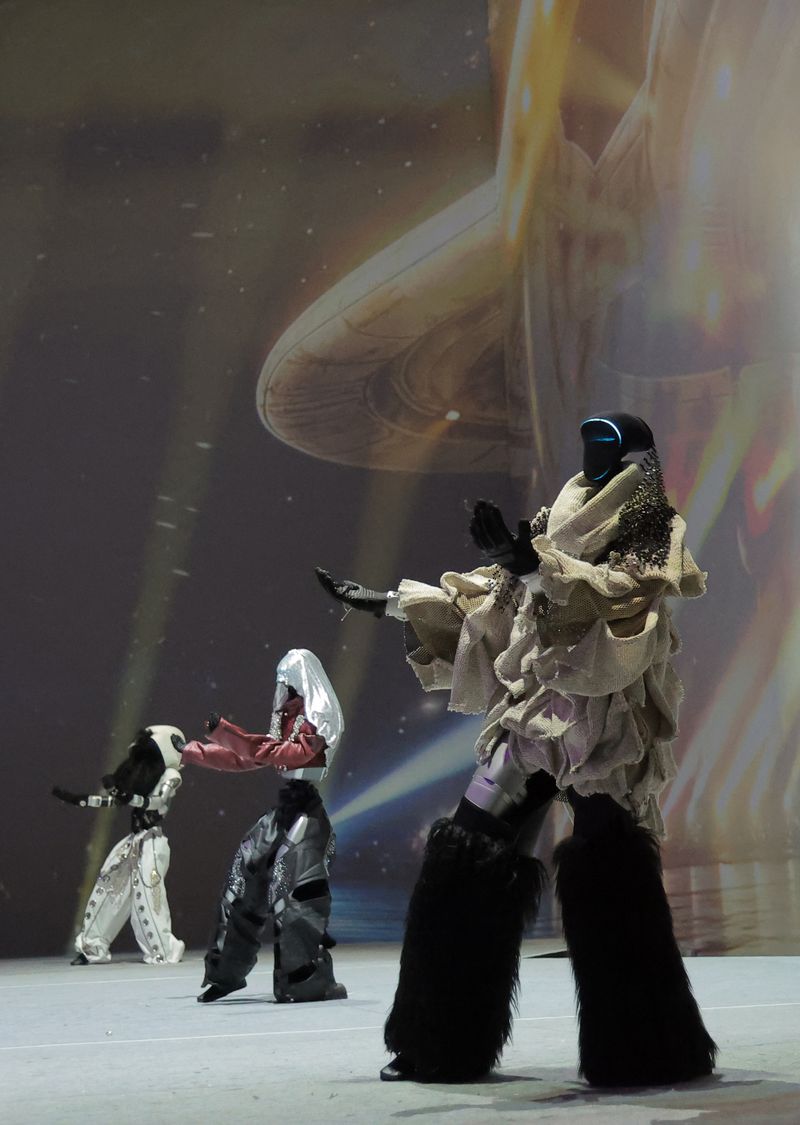
While the Western music market is grappling with a battle for control over music creation and distribution, foreign media are looking at the K-pop market, which stands at the forefront of fandom-based business, through a more fundamental question.
The Wall Street Journal focused on K-pop agencies' heavy investment in virtual artists and AI vocal technology. From a capital perspective, virtual intellectual property free of privacy scandals and fatigue is the perfect 'risk hedge.'
However, the WSJ warned that "artists and fans are grappling with what they may lose as a result," highlighting the damage to 'authenticity,' the foundation of the fandom economy. One fan called AI technology that can perfectly package even the worst singer a 'disaster' and said they would not support it. The more perfectly rendered AI music and virtual artists are mass-produced, the more fans may paradoxically yearn for the sweat of the imperfect real world, where they can breathe the same air as someone else. It is a profound insight.
■ South Korea's Copyright Vacuum... Time to Prove What Is 'Real'
In the face of this chilling question posed by foreign media, the reality of South Korea's popular music industry is painful. While copyright management organizations in advanced markets, such as Broadcast Music, Inc. (BMI) in the United States and the Society for Musical Performing and Mechanical Reproduction Rights (GEMA) in Europe, are responding quickly by establishing royalty distribution standards based on the degree of human creative contribution, South Korea is suffering from a severe 'institutional vacuum.' The Korea Music Copyright Association (KOMCA) attempted to allow trust registration for AI music in which humans had played a leading role, but the authorities intervened, forcing the policy to be withdrawn just 22 days after its implementation—a farcical turn of events.
Meanwhile, cheap 'AI slop' music—mass-produced to avoid copyright fees for background music at cafes and restaurants—is seeping into people's daily lives. As music is reduced to a disposable commodity churned out in factories in 10 seconds and creators' rights are eroded amid confusion without clear standards, the 'fake' is threatening the place of the 'real' at an alarming speed.
Revising the system promptly and establishing a creator-protection framework that meets global standards is no longer a task that can be postponed. The K-entertainment industry, which is pursuing cutting-edge technology and perfection above all else, must also engage in serious reflection. It must not forget the warning that the moment it loses the premium of human artists' hard-fought narratives and the passionate exchange of breath on stage, fans' wallets will remain firmly closed.
[email protected] Park Ji-hyun Reporter