Trump Rejects Iran's 'Seven-Day Plan to Reopen the Strait of Hormuz,' Weighs Resuming Bombing After United States Midterm Elections
- Input
- 2026-09-27 00:05:03
- Updated
- 2026-09-27 00:05:03
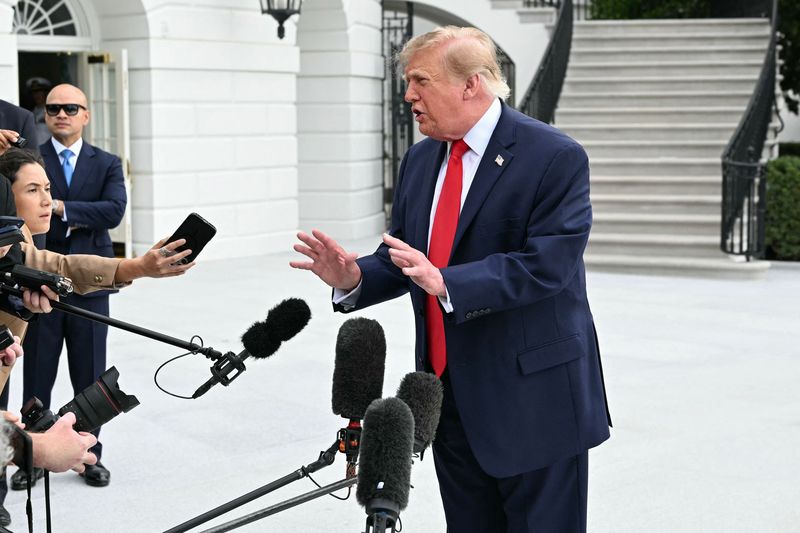
[Financial News] United States President Donald Trump flatly rejected Iran's so-called "seven-day plan" ceasefire proposal. Trump reportedly expressed deep skepticism that Iran would accept the United States' demands and even signaled to aides that he could resume bombing Iran after this November's United States midterm elections.
According to The Wall Street Journal (WSJ) and other foreign media outlets on the 26th local time, Trump met with reporters at the White House and directly stated regarding Iran's proposal, "I rejected their proposal."
■ Iran Offers to Reopen the Strait of Hormuz After Seven Days of Ceasing Hostilities; United States Says, "No Chance"
Earlier, Iranian Foreign Minister Abbas Araghchi presented a new peace proposal to the United States through mediators while visiting New York to attend the United Nations General Assembly. Under the proposal, Iran would resume shipping through the Strait of Hormuz if the United States halted hostilities across the Middle East for seven days and lifted the maritime blockade of Iranian ports, rolled back oil sanctions, and unfroze frozen assets.
However, The Wall Street Journal reported that Trump told aides in a private meeting that he was highly skeptical about whether Iran would meet the United States' fundamental demands, including dismantling its nuclear program, and that the possibility of resuming bombing operations was high.
The United States government is reportedly understood to have made clear to Iran and the mediating countries that Trump has no intention whatsoever at this point of lifting the maritime blockade or sanctions. The United States reportedly firmly believes that only continued heavy economic pressure will eventually force Iran to capitulate and sign a ceasefire agreement on terms favorable to the United States and the Arab states of the Persian Gulf. In particular, the pressure to urgently reach an end-of-war agreement has eased somewhat as the United States-led tanker escort operation has achieved some results.
■ Divisions Within Iran Over a 'Two-Track' Approach; November Midterm Elections Seen as a Turning Point
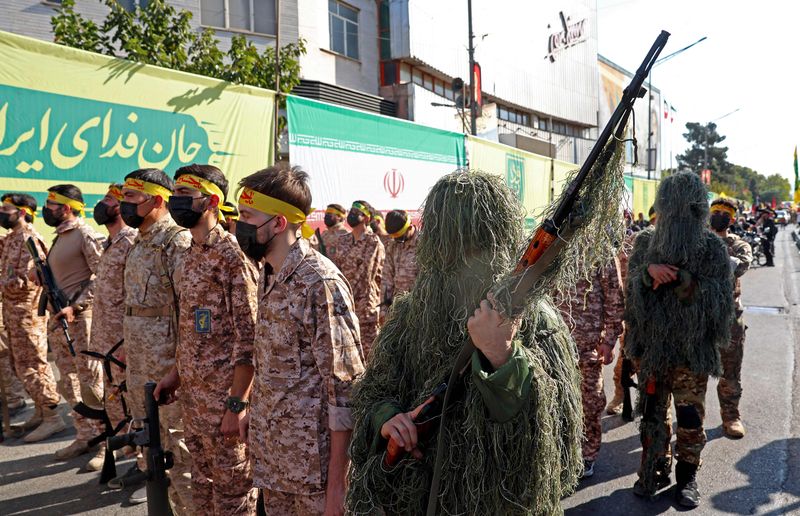
Meanwhile, differences in position have emerged within Iran amid severe economic hardship. Arab mediators say Iranian diplomats are seeking diplomatic solutions on multiple fronts and putting forward various proposals to end the war in an effort to overcome the crisis.
By contrast, Iran's hard-line Islamic Revolutionary Guard Corps (IRGC) has maintained that it cannot accept any deal short of the terms outlined in the memorandum of understanding (MOU) reached last June, which guaranteed relief from Western sanctions and control over the Strait of Hormuz. It has also maintained its willingness to wage a protracted conflict with the United States.
The United States is also facing a complex situation. Citing officials, The Wall Street Journal analyzed that Trump has little choice but to be cautious about resuming large-scale attacks because the United States is dealing with weapons-stockpile shortages and the burden of a prolonged conflict. Trump is pursuing a strategy combining diplomatic negotiations, airstrikes, and sanctions. His final decision could change significantly depending on how the war develops and the results of the United States midterm elections in November.
[email protected] Park Ji-hyun Reporter