Iran War and Fears of U.S. Export Controls... EU Braces for Its "Worst Winter Since 2022"
- Input
- 2026-09-26 23:51:20
- Updated
- 2026-09-26 23:51:20
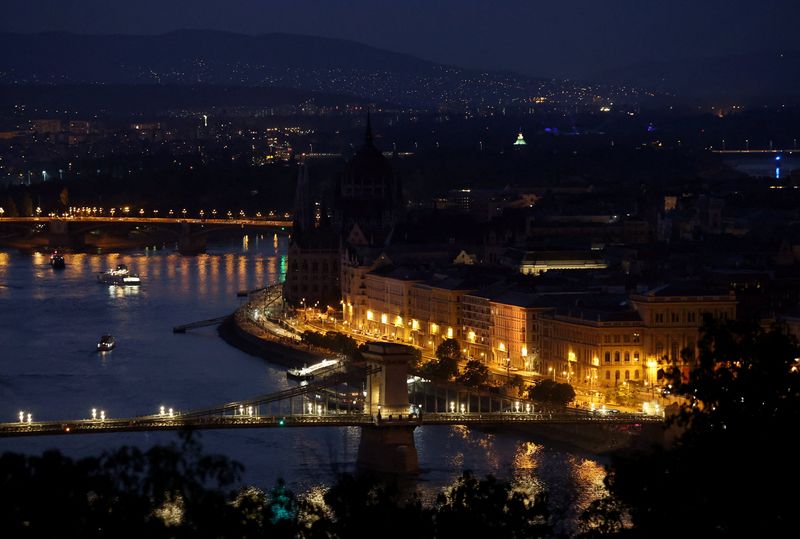
[Financial News] The European Union (EU) faces the risk of experiencing its "worst winter since 2022" as an energy supply crunch originating in the Middle East due to the war involving Iran coincides with the possibility of the Donald Trump administration restricting U.S. diesel exports. With natural gas and diesel prices rising day after day, EU leaders have officially urged member states to reduce energy demand. They are also considering suspending strict environmental regulations to prevent an energy crisis.
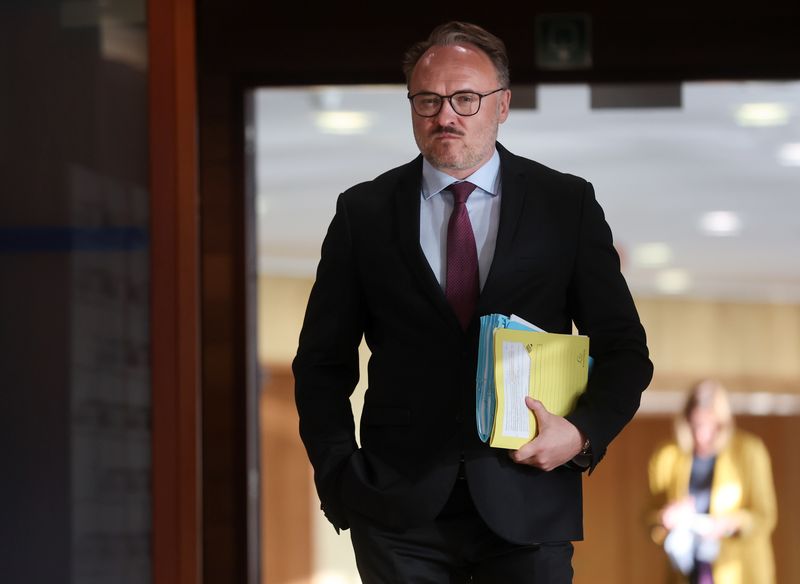
According to foreign media, including the Financial Times (FT), on the 25th local time, EU Energy Commissioner Dan Jørgensen sent a letter to the energy ministers of the EU's 27 member states, urging them to take proactive measures to reduce gas and electricity consumption. "We are facing a price crisis directly linked to a supply crisis," he wrote.
■ Gas Prices Soar After Strait of Hormuz Blockade... EU Says, "Cut Energy Demand"
The primary cause of the energy crisis is instability in the Middle East stemming from the war involving Iran. As the Strait of Hormuz, through which about 20% of the world's oil and natural gas passes, comes under threat, European natural gas prices have surged more than twofold since the war began. This month, they surpassed €80 per megawatt-hour (MWh) for the first time in more than three years, equivalent to approximately 124,000 won. Meanwhile, data from Gas Infrastructure Europe show that the EU's overall gas storage level currently stands at about 70%, an alarming 12 percentage points below the level at the same time last year.
Commissioner Jørgensen said the situation is better than in 2021, thanks in part to expanded liquefied natural gas (LNG) import capacity. However, he stressed that reducing demand is essential to curb surging prices. He proposed measures including limiting indoor temperatures in public buildings, banning outdoor heating, turning off unnecessary public lighting at night, and reducing consumption during peak electricity-demand hours.
■ EU Rattled by Trump's Threat to Ban Diesel Exports... Delaying Methane Regulations as a Last Resort
Concerns about export controls by the United States, Europe's largest energy supplier, have added to the difficulties. Facing domestic inflationary pressure ahead of the November midterm elections, U.S. President Donald Trump recently said he would support a ban on diesel exports, unsettling the market. Although U.S. Secretary of Energy Chris Wright has expressed skepticism about a blanket embargo, warnings have emerged that a ban on exports would be a "disaster" for European security if it becomes reality.
In an interview with the FT, Commissioner Jørgensen urged the United States to maintain the "free flow of energy" between the two sides. He warned, "Even if U.S. diesel supplies are not cut off, Europe could face its worst winter since 2022."
As the energy crisis worsened, French President Emmanuel Macron called for immediate measures to lower fossil-fuel prices and for fuel-refining regulations to be eased. The EU Commission is consequently considering delaying the implementation of regulations requiring oil and gas importers to monitor and limit methane emissions by one year, in an effort to ease the burden on member states.
■ "Dependence on Fossil Fuels Means a Permanent Crisis"... EU Urged to Accelerate Electrification
Ahead of next week's meeting of EU energy ministers in Dublin, Commissioner Jørgensen urged member states to remain vigilant. In particular, he called for lower taxes on electricity and greater investment in green energy, saying, "Even if there is no problem with supply itself, it is useless if there is no money to buy the fuel."
The EU Commission is also pursuing a fundamental solution: doubling the EU's electrification rate to 46% by 2040. Commissioner Jørgensen warned, "If we fail to break free from our dependence on fossil fuels, we will face a permanent crisis."
[email protected] Park Ji-hyun Reporter