One in Five Hospitals Handling Propofol Violated the Law; Some Were Caught Again Despite Previous Violations
- Input
- 2026-09-27 11:15:00
- Updated
- 2026-09-27 11:15:00
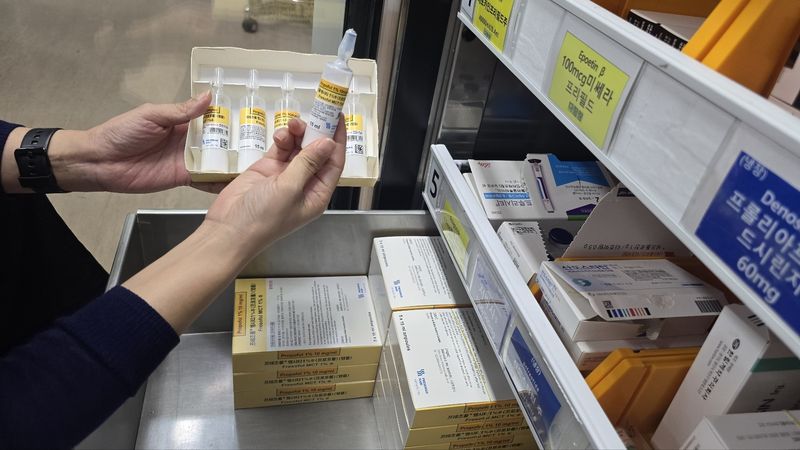
[Financial News] One in five medical institutions that handle propofol was found to have violated the Narcotics Control Act during an intensive inspection. In particular, a reinspection of institutions that had been caught at least once over the past two years found that more than 20% had violated the law again. Seoul Metropolitan Government said it would take strict measures, including suspensions of operations and criminal complaints, against repeat and serious violations.
According to Seoul Metropolitan Government on the 27th, it conducted a targeted inspection of 125 medical institutions handling propofol from July 20 to September 4. The inspection uncovered 31 violations of the Narcotics Control Act at 26 institutions, or 20.8%. In other words, one in five institutions violated the law.
Repeat violations were particularly notable in this inspection. Seoul Metropolitan Government included 78 medical institutions with previous violations identified during joint inspections by the city and district governments in 2024 and 2025. Of these, 17 institutions, or 21.8%, were caught violating the law again.
Propofol is a psychotropic drug that acts on the central nervous system and is widely used for sedation and anesthesia. It is useful when administered for legitimate medical purposes, but misuse can cause serious harm. As a result, it requires stricter handling and management than ordinary medicines.
Preventing misuse through so-called "doctor shopping," in which patients repeatedly obtain prescriptions by visiting multiple medical institutions, is also a key management task.
Accordingly, propofol was included in the Medical Narcotics Medication History Verification System starting August 27. The system allows doctors to check a patient's previous medication history before prescribing medical narcotics, helping prevent excessive or duplicate prescriptions.
The Ministry of Food and Drug Safety's guidelines for the safe use of propofol also recommend that it be administered for simple procedures or diagnostic purposes no more than once a month.
Seoul Metropolitan Government closely examined whether the actual inventory of propofol and other controlled substances matched the inventory recorded in the Narcotics Information Management System (NIMS). Inspectors also reviewed handling reports, compliance with storage regulations, the completion of storage-facility inspection logs and whether controlled substances past their expiration dates had been used.
The most common of the 31 violations was failure to report controlled-substance handling records, accounting for 22 cases, or 71.0%. That amounted to roughly seven out of every 10 violations.
There were also two cases each involving the use of expired controlled substances, violations of disposal regulations for controlled substances involved in incidents and inadequate completion of storage-facility inspection logs. One case each involved an inventory discrepancy, failure to report controlled substances involved in incidents and violations of storage-facility standards.
Some medical institutions violated multiple management regulations at the same time. Two or more violations were confirmed at five of the institutions caught. Four institutions each violated two types of regulations, while the remaining institution violated three types simultaneously.
Seoul Metropolitan Government plans to use the results as an opportunity to strengthen "post-detection management" rather than treating the inspection as a one-time exercise. It will focus its management resources on continuously tracking and inspecting medical institutions with violation records to prevent the same problems from recurring.
The institutions caught violating the law will face administrative and criminal measures depending on the nature and severity of their violations. Seoul Metropolitan Government will issue warnings to 12 institutions, suspend controlled-substance handling operations at 14 and impose administrative fines on three. It also plans to file criminal complaints against five institutions where serious violations were confirmed.
The scope of medical narcotics subject to management will also be expanded. In October, Seoul Metropolitan Government plans to conduct intensive inspections of veterinary hospitals that handle ketamine, a psychotropic drug used for anesthesia and other purposes.
Cho Young-chang, head of the Seoul Metropolitan Government's Citizen Health Bureau, said, "As doctor shopping involving and the misuse of medical narcotics such as propofol have emerged as serious social problems, continuous and responsible management and oversight of whether medical institutions are handling them appropriately is of paramount importance."
[email protected] Lee Seol-young Reporter