U.S. 30-Year Treasury Yields Continue to Rise, Reaching a 22-Year High
- Input
- 2026-09-26 05:20:35
- Updated
- 2026-09-26 05:20:35
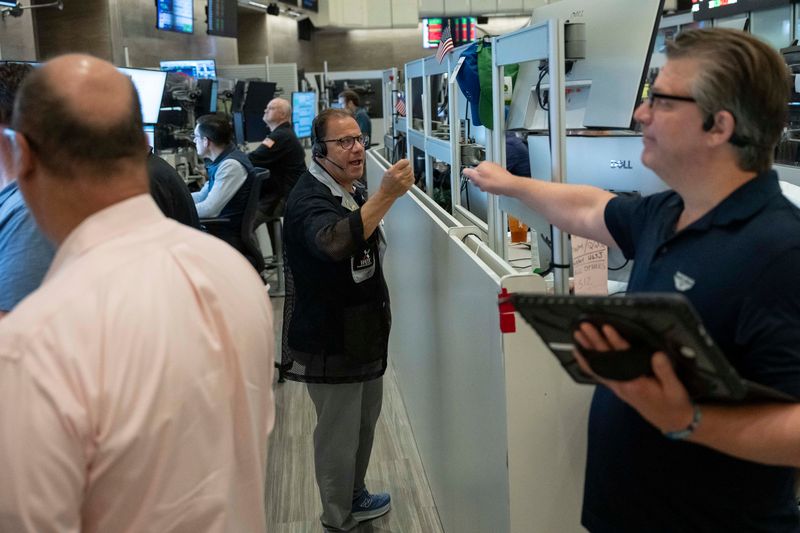
Selling of long-term U.S. Treasuries resumed on June 25 (local time), sending yields, which move inversely to prices, to their highest level in 22 years. Investor concerns are mounting over the outlook for the U.S. Treasury market, the world's largest bond market.
The yield on 30-year U.S. Treasuries rose 0.07 percentage point intraday to 5.53%. It later fell as oil prices declined, but continued to move higher than in the previous session.
The yield on 10-year Treasuries, which serves as a global benchmark interest rate, also climbed 0.07 percentage point intraday to 5.23%. It extended its record high for the past 19 years.
The final September reading of the University of Michigan's consumer sentiment index, released that day, presented a mixed picture. The final reading was 48.1, up from the preliminary reading of 47.8, but down 3.6 points (7.0%) from 51.7 the previous month, marking its lowest level in four months since May. The index stood at 44.8 in May, its lowest level since the survey began in 1952.
Expectations that the Federal Reserve System (Fed) will raise interest rates further because of inflation triggered by the Iran war and the artificial intelligence (AI) boom are prompting selling of Treasuries.
The Financial Times (FT), citing Gennadiy Goldberg, head of U.S. rates strategy at TD Securities, reported that bond positions had been heavily unwound over the past several days.
Marcel Thieliant, head of Asia-Pacific at Capital Economics, said high oil prices had fundamentally altered market sentiment and that expectations for rate hikes had risen sharply across all developed markets.
When central banks raise their policy rates, existing bondholders sell their bonds. Newly issued bonds will carry higher yields because they will reflect the increased policy rate. As a result, expectations of central bank rate hikes lead to selling of government bonds.
[email protected] Song Kyung-jae Reporter