Undeterred by Pipeline Strike, Saudi Oil Exports Surge 80%
- Input
- 2026-09-26 03:55:30
- Updated
- 2026-09-26 03:55:30
According to Kpler, a trade information company, Saudi Arabia's crude oil exports totaled 6 million barrels per day in September, the highest level since the Iran war began about seven months ago. Exports recovered to the monthly average level recorded in 2025. Compared with the 3.4 million barrels per day recorded in August, the figure increased by about 80% in just one month.
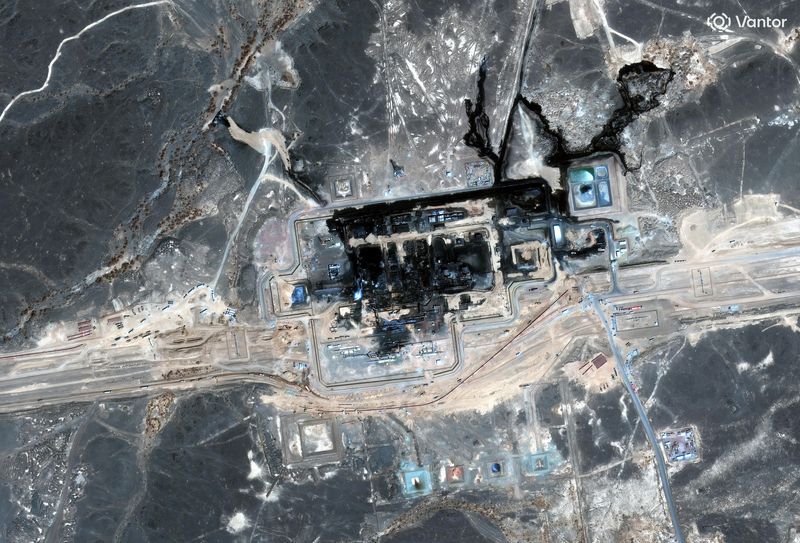
Saudi Arabia's export surge has drawn attention because the East–West Crude Oil Pipeline (Petroline), a key export route, was hit by a drone attack this month.
Saudi Arabia suspended operations on the pipeline this month after it was damaged in a drone attack launched from Iraq. The Petroline transports crude oil produced in Saudi Arabia's eastern oil-producing region to the Yanbu terminal on the Red Sea coast. It had served as a key safety net allowing Saudi Arabia to bypass the Strait of Hormuz after attacks by Iran on oil tankers curtailed passage through the strait.
But after the pipeline was blocked, Saudi Arabia once again chose the Strait of Hormuz.
Saudi Arabia redirected its crude oil exports toward the Strait of Hormuz after the U.S. military secured a route along Oman's coast for vessels to pass through. Other Gulf oil producers have also been using the route for months. Although risks remain because Iran continues to attack tankers passing through the strait, the volume of traffic is recovering rapidly.
According to Kpler, crude oil exports through the Strait of Hormuz had risen to an average of 13.2 million barrels per day over seven days as of the 23rd. That remains below the approximately 17 million barrels per day recorded before the war, but represents a substantial recovery.
Matt Smith, head of commodity research at Kpler, told CNBC, "The increase in exports from the Middle East Gulf region is the result of the pipeline shutdown," adding, "It is also a sign that confidence in using the Strait of Hormuz is growing as traffic increases."
Markets are increasingly hopeful that the supply shock from Saudi Arabia, which had initially been feared, may be limited.
Brent Crude Oil prices approached $110 a barrel immediately after the East–West Crude Oil Pipeline was shut down. However, international oil prices have retreated from their highs as Saudi Arabia quickly restored its export volumes through the Strait of Hormuz.
[email protected] Correspondent Lee Byung-chul Reporter