The Paradox of the Virtual Idol Era... The Return of the 'Real' Captured by Live Nation Entertainment [Park Ji-hyun's Art World]
- Input
- 2026-09-26 02:09:27
- Updated
- 2026-09-26 02:09:27
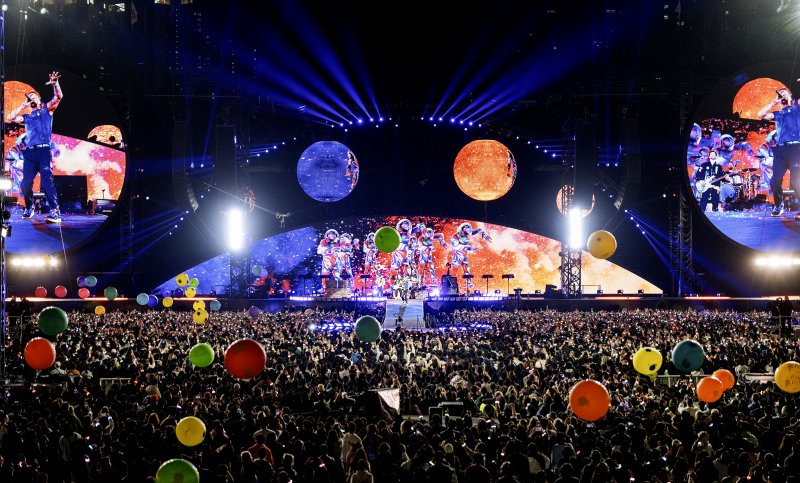
[Financial News] What is created by human hands and what is generated by AI are becoming increasingly difficult to distinguish. In the midst of digital excess, with everything being pulled into mobile screens, people are craving the 'real' offline experience more intensely than ever.
Live Nation Entertainment, the world's largest live entertainment company, recently released a report titled 'The Return to Real,' using extensive data to document this unusual phenomenon. The report combines the 2025 'Living for Live' study of 42,000 fans aged 18 to 54 across 15 countries with the 2026 global loyalty study of 3,450 people in 12 countries.
■ "Concerts Are Better Than Sex"... The Value of Offline Experiences Proven by Science and Numbers
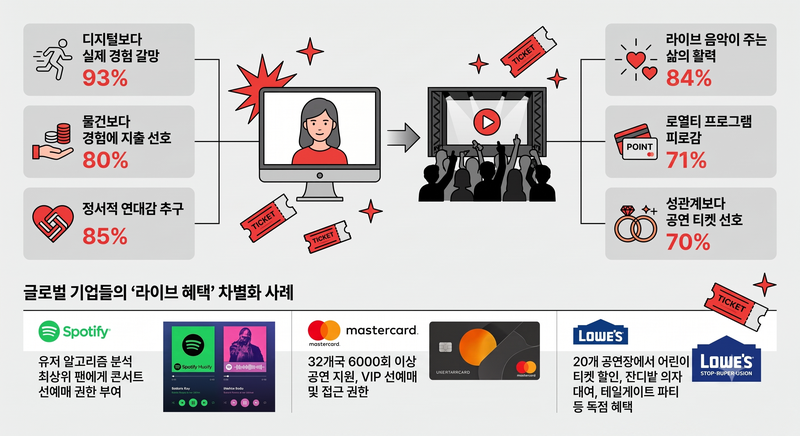
According to the report released on the 26th, 93% of fans worldwide said they craved real experiences over digital ones, while 80% said they would rather spend money on experiences than on owning things. One notable finding was that live music had overtaken sports as the world's favorite form of entertainment. Seven out of 10 respondents said they would rather obtain a ticket to see their favorite artist perform than have sex.
Live Nation Entertainment explained that this enthusiasm has a clear scientific basis, citing a paper from the University of Oxford's Department of Experimental Psychology titled 'Music and Social Bonding: "Self-Other" Merging and Neurohormonal Mechanisms.' When people experience live music, their brains release endorphins that ease pain and stress. Musical activities with large crowds also release oxytocin, the 'love hormone,' which strengthens social bonds and trust. The finding that 85% of fans are willing to attend concerts 'to be part of something bigger' is likewise connected to this sense of emotional solidarity.
■ The Points System Has Run Its Course... 'Live Benefits' Now Rule Loyalty
This explosive demand for live experiences is also reshaping the marketing landscape for global companies. Some 71% of consumers complained of fatigue with existing mileage and points systems, saying, "All loyalty programs feel the same." In response, global companies have made access to live performances—what fans value most—a key weapon for differentiating their brands.
The most revolutionary change can be seen in Spotify's 'Reserved' service. Rather than relying simply on purchasing power or the speed of first-come, first-served clicks, Spotify uses algorithms to analyze users' streaming frequency, song saves and shares, and location data to identify the most devoted 'real fans.' It then gives them the privilege of purchasing concert tickets before the general public, turning fans' everyday data and genuine passion into exclusive offline benefits.
The moves by financial institutions and companies in other industries are equally bold. Through its 'Priceless' platform, Mastercard has supported more than 6,000 performances in 32 countries and provided more than 5.5 million cardholders with presale benefits and VIP access. Instead of offering predictable points, it has strengthened customer loyalty by opening the door to offline experiences that remain memorable for a lifetime. Even Lowe's, a major U.S. home-improvement retailer that appears entirely unrelated to the music industry, is reportedly reaching into customers' lives by offering rewards members exclusive benefits at 20 Live Nation venues, including children's ticket discounts, free lawn-chair rentals, and tailgate parties.
When brands become part of live music experiences in this way, 73% of fans pay more attention to those brands, while 72% are willing to spend more money. Furthermore, 80% view the brands more positively, and 94% voluntarily share their exhilarating experiences on social media.
■ K-Pop in the Heyday of Virtual Idols: The Value of the 'Live Experience' Soars Paradoxically
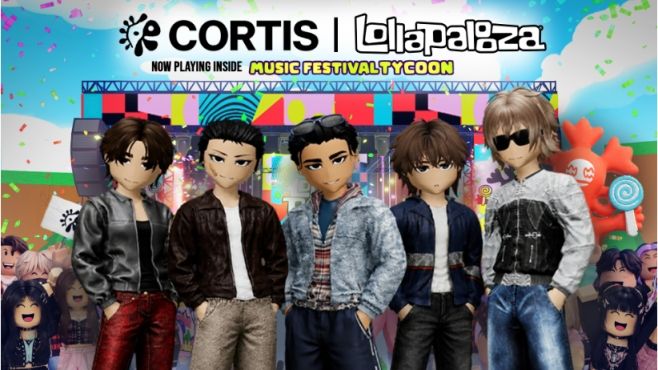
Seen through the lens of foreign media, the current state of South Korea's entertainment industry contains a fascinating dilemma. South Korea has led the 'digitalization' of fandom more aggressively than any other country, enabling artists and fans to communicate online around the clock through platforms such as Weverse and bubble. It has even used generative AI to propel virtual idols to No. 1 on terrestrial music programs.
Yet behind the expansion of this dazzling digital world, Korean fans are also suffering from the severe 'lack of the real' that Live Nation Entertainment has identified. The recent surge in VIP ticket prices for concerts by major K-pop idol groups, which have climbed well above 200,000 won, is evidence of this trend. Even in an era when all stage footage can be viewed in 4K with a single click, fans willingly stay up all night to join the fierce ticketing battle and endure waiting in merchandise lines under the scorching sun.
For the public, the act of listening to music is fiercely returning to the most primal and analog value of being there in person after passing through the streaming era, in which music was broken down into streams of zeros and ones. This is also the lesson that the K-entertainment industry, which is staking its future on the endless expansion of platform businesses and intellectual property, must take most seriously. Technology merely plays a supporting role. What ultimately moves people is not the cold algorithm beyond the screen, but the warm breath on the stage.
[email protected] Park Ji-hyun Reporter