Norovirus Infection Alert Ahead of Chuseok Holiday, When Family Gatherings Increase
- Input
- 2026-09-25 15:28:12
- Updated
- 2026-09-25 15:28:12
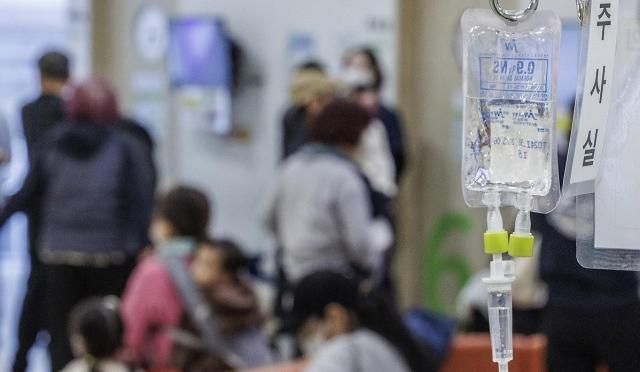
[Financial News] Norovirus detections in Seoul this summer increased more than 70-fold from the same period last year. With family and relatives gatherings and food consumption expected to rise during the Chuseok holiday, caution is needed to prevent infection.
According to the Seoul Institute of Health and Environment on the 25th, 345 norovirus cases were detected from January through August this year, already surpassing the 242 cases detected throughout last year. In particular, 141 cases were confirmed from June to August, 70.5 times more than the two cases recorded during the same period last year.
Norovirus is a highly contagious virus that causes acute gastroenteritis, including vomiting and diarrhea. It can survive even at low temperatures and typically occurs more frequently in winter, but detections during the summer also rose sharply this year. Genetic analysis also revealed characteristics different from those seen last year.
Genetic analysis showed a marked increase in the norovirus GII.3 genotype. The Seoul Institute of Health and Environment explained that, unlike last year, this genotype had increased significantly, showing characteristics different from the usual winter outbreaks.
Given the sharp increase in detections, prevention guidelines should be followed more carefully during the Chuseok holiday. The institute urged people to pay particular attention to preventing food poisoning, as contact among family members and relatives and food consumption both increase during this period.
Norovirus can spread through contaminated food and water, as well as contact with infected people or vomit. If someone becomes infected, careful attention should be paid to hygiene management to prevent the virus from spreading to others nearby.
[email protected] Han Seung-gon Reporter