Holiday weight bomb?..."Don't feel guilty about eating"
- Input
- 2026-09-25 11:39:11
- Updated
- 2026-09-25 11:39:11
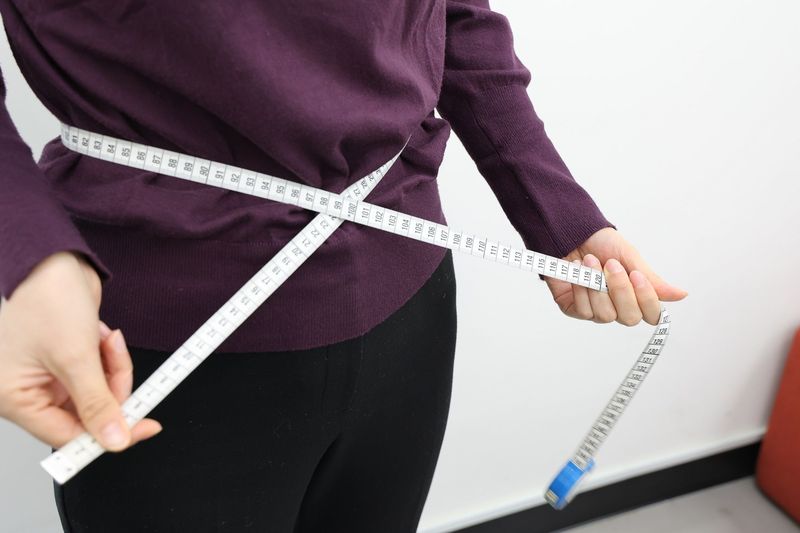
[Financial News] Just because the number on the scale increased by 2 to 3 kg after the Chuseok holiday does not mean you have gained weight. Since a significant portion of the extra weight is water and glycogen rather than body fat, the priority is to return to your usual eating and activity patterns rather than starving yourself.
During the holidays, people tend to consume high-calorie foods such as jeon (pancakes), galbi-jjim (braised short ribs), japchae (stir-fried glass noodles), and songpyeon (rice cakes) more frequently than usual. Changes in lifestyle patterns, such as reduced activity and eating late into the night, also make it easy to gain weight. In particular, consuming more carbohydrates and sodium than usual leads to an increase in glycogen and water content in the body; when combined with the weight of the consumed food, the number on the scale can rise significantly in a short period. This is why it is advisable to monitor weight changes for a few days after returning to your daily routine, rather than drastically reducing food intake based solely on weight gain immediately after the holidays.
"Professor Kwon, Yeongkeun of the Obesity and Metabolism Center at Korea University Anam Hospital said, 'While people may encounter a wider variety of foods and increase their food intake during Chuseok than usual, there is no need to unconditionally avoid holiday food or repeat weight control methods such as starving oneself before and after the holiday due to guilt over eating too much.' He added, 'The priority is to naturally return to normal eating and activity patterns after the holiday ends.'"
You should also be careful not to try to lose weight in advance of the holidays or to restrict your diet excessively after the break with the mindset that you must lose as much as you ate. This is because obesity is not simply a state of having a high body weight, but a chronic and recurrent disease that requires long-term management. What is important is not how much weight is lost in a short period, but maintaining the lost weight in a healthy way and simultaneously improving obesity-related comorbidities such as blood sugar, blood pressure, dyslipidemia, fatty liver, and sleep apnea.
Rather than starving, eat less, eat slowly, and walk.
During the holidays, it is more realistic to control the quantity and frequency of meals rather than excessively restricting food. Instead of eating large quantities of various foods at once, it is better to serve moderate amounts of the foods you desire and eat slowly, while including side dishes containing vegetables and protein. For pancakes, fried foods, and desserts, reducing the amount consumed at one time is more helpful for long-term weight management than completely banning them.
You should also be wary of habitual snacking and excessive consumption. Even if you have had a sufficient meal, mindlessly eating snacks, fruit, or drinks repeatedly during conversations leads to consuming more calories than you realize. Maintaining your usual level of activity, such as taking a light walk with family after a meal or walking short distances, is also helpful.
Obesity treatment also needs to focus on "how to lose weight healthily and maintain it" rather than "how quickly one loses weight." With the recent advancements in obesity medications such as Semaglutide and tirzepatide, more effective weight loss has become possible compared to the past. However, since weight can be regained if the medication is stopped, it must be utilized in conjunction with lifestyle management within a long-term treatment plan, rather than as a short-term measure.
Maintaining the results over a long period is better than losing them quickly.
Bariatric surgery is an important treatment option for patients with severe obesity or comorbidities such as diabetes, sleep apnea, or fatty liver disease. Even after surgery, weight and nutritional status must be consistently managed, and medication may be added if necessary. Conversely, if sufficient weight loss and health improvement can be achieved through medication alone, surgery is not necessarily required.
Ultimately, obesity treatment is not a matter of simply choosing between medication and surgery; rather, it is a process of adjusting the treatment method based on the patient's degree of obesity, comorbidities, response to treatment, and weight changes. Since lean body mass, including muscle, can decrease along with fat during weight loss, it is important to maintain muscle mass and physical function through sufficient protein intake and strength training, rather than focusing solely on the numbers on the scale.
Professor Kwon, Yeongkeun emphasized, "Obesity is not a condition that ends with short-term weight loss, but a metabolic disease requiring continuous management," adding, "It is important to maintain weight loss over the long term while managing metabolic health and muscle mass simultaneously, utilizing proven treatment methods such as medication or surgery tailored to the individual's condition when necessary."
[email protected] Jeong Myeong-jin, Medical Specialist Reporter