“Onimusha”: The Gauntlet That Brought a Swordsman from 400 Years Ago Back to Life [Ahn Seung-hyun’s 8-Bit]
- Input
- 2026-09-25 10:37:52
- Updated
- 2026-09-25 10:37:52
His most famous battle was the 1612 duel on Ganryujima. Musashi is said to have arrived long after the agreed time and defeated his rival Sasaki Kojiro with a wooden sword carved from an oar. The island where Kojiro, also known as Sasaki Ganryu, died came to be called Ganryujima after his school.
Many of these stories were embellished through novels and films produced by later generations. Even today, it remains unclear where fact ends and legend begins. Perhaps that very ambiguity is what allowed Musashi to be reborn countless times over the past 400 years.
Eight years after Musashi was born, the Imjin War broke out in Joseon across the sea.
Musashi Returns from Hell
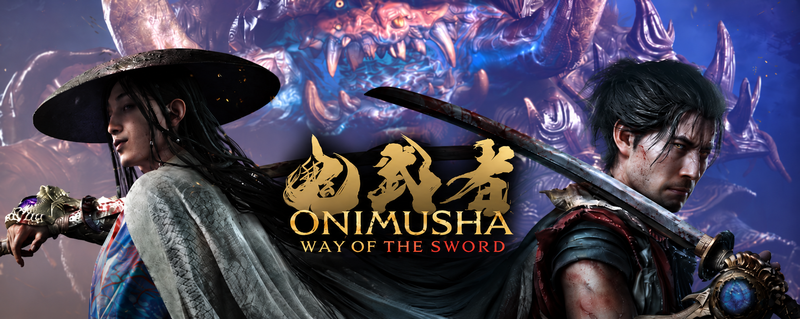
“Onimusha” is an action game series from Capcom that depicts battles between humans and monsters against the backdrop of Japan’s Warring States period. Thankfully, a new official installment has returned after more than 20 years with Onimusha: Way of the Sword.The new game is set in Kyoto during the Edo period. Capcom has brought Miyamoto Musashi back as its new protagonist.
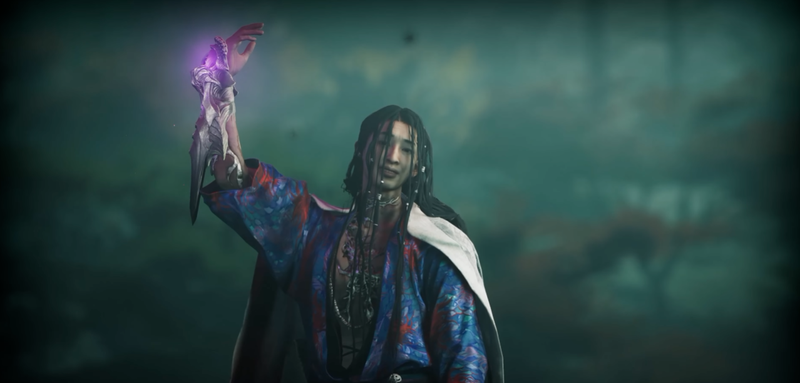
In the game, Musashi loses his life to monsters called Genma after defeating the leader of a school of swordsmanship. A mysterious man dressed in white revives Musashi after he awakens in hell.
The man forcibly fastens a gauntlet onto Musashi’s arm. It absorbs the souls of defeated enemies. Musashi does not like this power at all, however, because he did not earn it with his own hands.
He has no intention of saving the world, either. All he wanted was to take up a single sword and test himself against the greatest swordsmen in the land.
His rival Ganryu, who received the same gauntlet, takes the opposite path. Obsessed with defeating Musashi, he indiscriminately devours even human souls. The two swordsmen who once faced each other on an island 400 years ago now cross blades again in Kyoto, a city overrun with monsters.
As a premise, it sounds absurd. But once you pick up the controller and move Musashi yourself, you begin to understand why Capcom chose to bring him back.
Until You Can See the Tip of the Blade
What matters in this game is not how quickly you press the attack button. There are two difficulty settings, “Story” and “Action,” but mashing buttons will not keep you alive for long on either one. You must watch where the enemy’s blade is coming from, block it, deflect it, and counterattack in the opening.Sparks fly when blades meet. It feels less like simply blocking an attack and more like two forces colliding head-on.
Issen, the series’ signature technique, allows you to cut down an enemy in a single blow just before the enemy’s blade touches your body. The timing window is extremely brief, so you die again and again at first. But after fighting repeatedly, you eventually begin to see the tip of the enemy’s blade.
It is not that the character’s stats suddenly improved or that the enemies slowed down. My hands simply learned the timing.
That sensation lies at the heart of Onimusha’s combat. The pleasure of reading an enemy’s movements, waiting, and cutting the enemy down in an instant fits Musashi, the swordsman, remarkably well.
The game’s scenery is beautiful, too. Kyoto’s alleyways and tiled roofs, rendered using technology used in the Resident Evil series, are highly detailed. A swordsman walks across rain-soaked stone streets and through dark alleys lined with wooden buildings. It feels less like playing a game than watching a scene from an old samurai film.
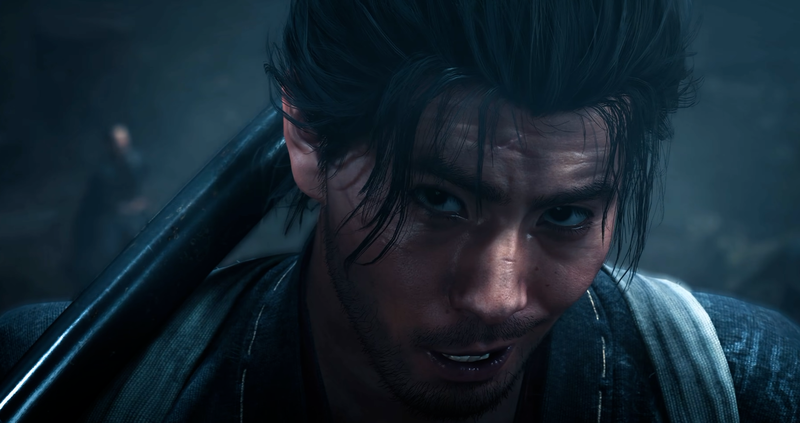
But the man’s face looks familiar. That is where the new Onimusha’s special appeal begins.
Mifune Walks Out of the Film
The familiar face belongs to actor Toshiro Mifune, who died in 1997. Even the way he ambles out while scratching the back of his head is unmistakably Mifune.He became known around the world through Akira Kurosawa’s Seven Samurai, and he actually played Musashi in director Hiroshi Inagaki’s The Samurai Trilogy. The first film in the trilogy received an Honorary Academy Award.
Capcom spent years negotiating with Mifune Productions to bring Mifune’s face back to life in the game. It borrowed more than just his likeness. The developers also recreated his gestures from his old films, including scratching the back of his head and walking with his shoulders bobbing.
The Onimusha series has traditionally modeled its game characters on the faces of actors. The first installment featured Takeshi Kaneshiro, the second featured Yusaku Matsuda, who died in 1989, and the third featured Jean Reno. This installment takes that tradition a step further.
The gauntlet in the game brings the dead Musashi back to life. Capcom’s technology and direction make the late Mifune walk out of the screen again.
At this point, “Onimusha” becomes more than a simple action game. It draws on a historical figure and memories of an old film, then recreates them as content for today’s generation.
The Gauntlet We Need, Too
Japan has been milking the story of one wandering swordsman for 400 years. Eiji Yoshikawa serialized a novel in newspapers in the 1930s, and a film starring Mifune was later made from it. Takehiko Inoue’s manga Vagabond followed, along with countless television dramas and games.It is like digging one well deep and drawing from it in a different vessel each time the generations change.
This is possible not simply because Musashi himself is such special source material. It is because there is a power to turn a historical figure into a novel, adapt it into film and manga, and then reinvent it once again as a game.
The competitiveness of cultural content is not determined solely by whether you have good source material. More important is how long, how freshly, and in your own way you can recreate it.
That is also why the success of KPop Demon Hunters was both welcome and bittersweet. Countless elements drawn from Korean culture became global content, but we were not the ones who turned them into the finished work.
That does not mean Korea lacks stories. Nor does it lack the technology to make games.
Works such as Lies of P and Crimson Desert have shown that Korean game development is no longer on the periphery of the global market. What remains is to determine how compellingly we can recreate the history and figures we possess as stories and characters.
Around the time Musashi was carving his wooden sword, Joseon across the sea was also home to countless figures who lived lives every bit as dramatic.
What we lack is not stories. It is the gauntlet that can bring those stories back to life.
[email protected] Ahn Seung-hyun Reporter