Even Identical Solar and Wind Projects Can Receive Different Settlement Amounts: Jeju Province Evaluates 628.3 MW for "Grid Contribution"
- Input
- 2026-09-25 08:34:53
- Updated
- 2026-09-25 08:34:53

[Financial News, Jeju Province—Reporter Jeong Yong-bok] The compensation system for solar and wind power projects participating in the Jeju Province electricity market is shifting from one based primarily on facility size to one that also considers contribution to the power system and compliance with generation schedules.
According to the Korea Power Exchange (KPX) and the Ministry of Climate, Energy and Environment on the 25th, 30 dispatchable renewable energy resources—including nine stand-alone resources and 21 aggregated resources—are participating in the second Jeju Province pilot project of 2026.
The installed capacity is 292.25 MW for stand-alone resources and 336.05 MW for aggregated resources. The total is 628.3 MW, while separately registered ancillary-resource capacity stands at 38.4 MW.
The 30 resources do not mean 30 power plants. That is because the 21 aggregated resources combine multiple solar and wind power plants and participate in the electricity market as a single generation resource. This arrangement is called a virtual power plant (VPP).
The 628.3 MW figure is not the total renewable energy capacity in Jeju Province. It is the registered installed capacity of dispatchable renewable energy resources participating in this electricity-market pilot project.
■ Settlement amounts vary when performance improves
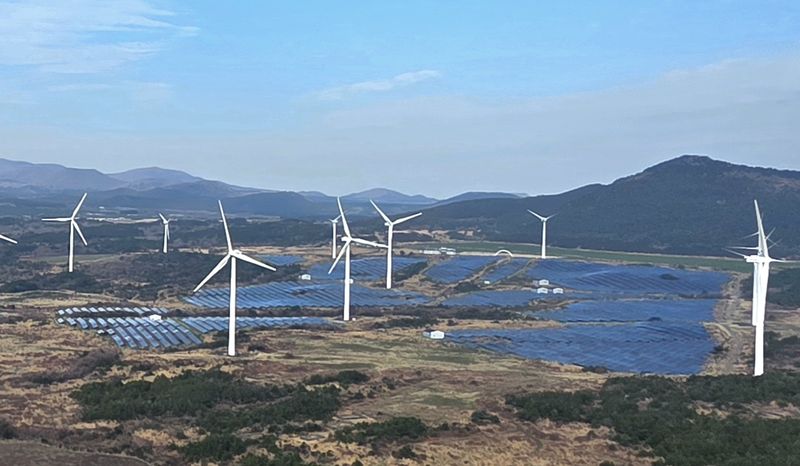
The biggest change is that performance is now reflected in the calculation of capacity settlement payments. These payments are made separately from compensation for the actual amount of electricity generated and are paid for the generation facility's ability to supply capacity to the power system.
KPX revised the formula for capacity settlement payments for dispatchable renewable energy in Jeju Province, effective with transactions dated April 1.
Previously, the calculation was based on the smallest of effective capacity, the actual metered value and the bid value. It is now calculated using 24-hour effective capacity.
A performance-linked capacity price factor, or RPCF, is also applied. The RPCF evaluates how reliably a dispatchable renewable energy resource contributed to power-system operations and differentiates capacity settlement payments accordingly. Even solar and wind projects of the same size can receive different settlement amounts depending on how accurately they submit generation schedules and how faithfully they follow dispatch instructions.
According to the second 2026 calculation results released by KPX, the RPCFs for the 30 resources ranged from a low of 0.8684 to a high of 1.1749.
The applicable period runs from September 1 through February 28, 2027. In simple terms, the system does not look only at how much generation capacity is installed. It also incorporates into the price how accurately a facility generates the forecast amount when the power grid needs it and how well it adjusts output in response to instructions.
■ When dispatched, generation error must stay within 1.5%
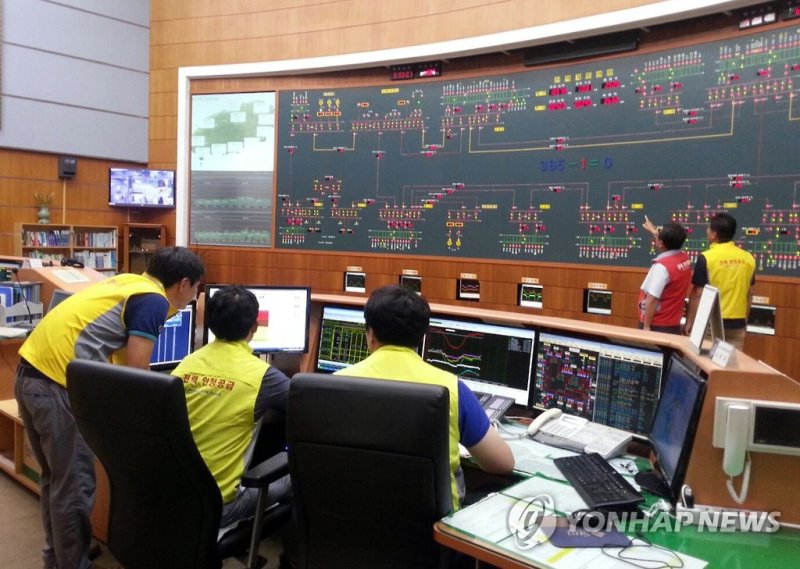
The standards for managing differences between generation schedules and actual output have also been tightened. In the electricity market, operators forecast and bid how much they will generate the following day, then compare that figure with actual operating results. This difference is called an "imbalance."
Since April, an allowable imbalance-penalty error margin of 1.5% has applied when a dispatch instruction is issued. When there is no dispatch instruction, the allowable range is 6%.
For example, if KPX instructs a facility to adjust its output at a specific time, it must operate more precisely so that actual generation does not deviate significantly from the schedule. The penalty is not a fine or punishment imposed by an administrative agency. It is an economic mechanism that reflects the error between the generation schedule and actual operations in electricity-market settlements.
Because renewable energy output changes with sunlight and wind conditions, it is more difficult to forecast than thermal power generation. For power producers and VPP operators, weather forecasting, generation forecasting and real-time control capabilities have consequently become directly linked to settlement performance.
■ "Expected-profit settlement payment is not compensation for curtailment"
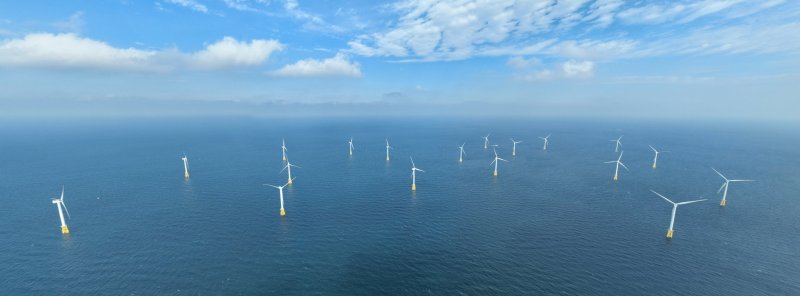
Another issue surrounding renewable energy settlement payments is the nature of expected-profit settlement payments. On the 23rd, the Ministry of Climate, Energy and Environment explained, "Renewable energy participating in the Jeju renewable-energy bidding system is also receiving expected-profit settlement payments."
KPX establishes generation schedules for each generator one day in advance. If actual electricity demand or transmission-network conditions change and generation must be reduced from the original schedule, the expected-profit settlement payment settles the revenue lost because of the schedule change.
Conversely, when increasing generation results in additional costs, a variable-cost compensation settlement payment applies.
However, the government emphasized that expected-profit settlement payments should not be interpreted as compensation for renewable-energy curtailment losses. Curtailment occurs when solar and wind generation exceeds electricity demand, such as during midday in spring or fall, and output must be limited to maintain grid stability. This is a different system from settlements arising when a day-ahead generation schedule is changed during actual grid operations.
Whether a settlement payment is made is not determined solely by the type of generation source. Renewable energy can qualify for expected-profit settlement payments if it participates in the electricity market through the Jeju renewable-energy bidding system. Conversely, even non-renewable facilities, such as fuel-cell plants or combined heat and power plants fueled by liquefied natural gas (LNG), do not receive the payment if they are non-centrally dispatched generators that do not go through the electricity-market bidding and award process.
In April, KPX also clarified the conditions for expected-profit settlement payments. It added a prerequisite stipulating that the payment will not be made if actual generation is at least as high as the lower of the day-ahead scheduled amount and the bid amount.
■ Jeju Province's second year of experimentation: from generation volume to grid performance
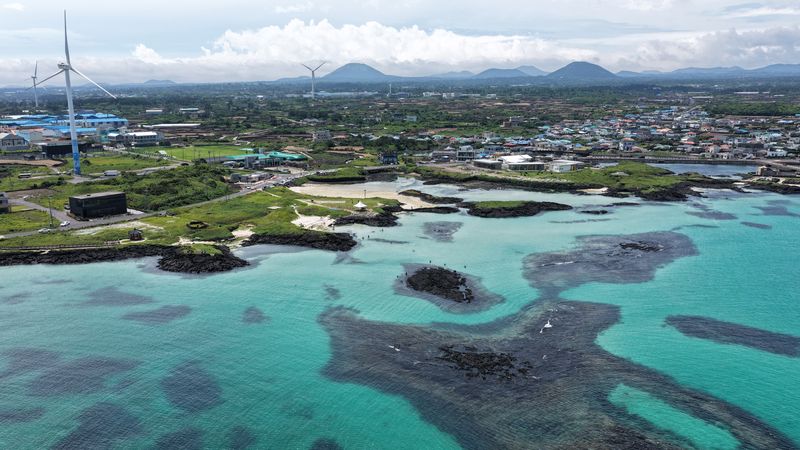
Jeju Province is the first region in South Korea to test electricity-market reforms.
After three months of trial operations from March through May 2024, KPX formally launched the real-time market, ancillary-services market and renewable-energy bidding system in Jeju Province on June 1 of the same year.
The existing electricity market operated mainly on generation schedules established one day in advance. In the Jeju Province pilot project, however, generation schedules are recalculated for the same day and in real time. This allows changes in solar and wind output that are higher or lower than forecast to be reflected more closely in actual electricity supply and demand.
Jeju Province became a testing ground because of its high share of renewable energy and recurring curtailment problems. When solar and wind generation is concentrated during periods of low electricity demand, supply can exceed demand. The transmission capacity of the power grid connecting Jeju Province with the mainland is also limited, creating situations in which generation must be reduced.
The direction of the new system is clear. Settlements are being designed to reflect not only the amount of renewable energy generated but also how accurately generation is forecast, how flexibly operators respond to KPX instructions and how much they contribute to grid stability.
To assess the system's effects going forward, the actual flow of money must be examined. Comparing capacity settlement payments and expected-profit settlement payments made to renewable energy in Jeju Province since June 2024, the amounts received by each generation source and curtailment records from the same period will be necessary to determine specifically how changes in the settlement system have affected operators' revenues and grid operations.
[email protected] Jeong Yong-bok Reporter