"I Even Tried Green Makeup" Seo Jeong-hee's Latest Update: Returns to Daily Life After Cancer Treatment [Health Talk]
- Input
- 2026-09-25 06:00:00
- Updated
- 2026-09-25 06:00:00
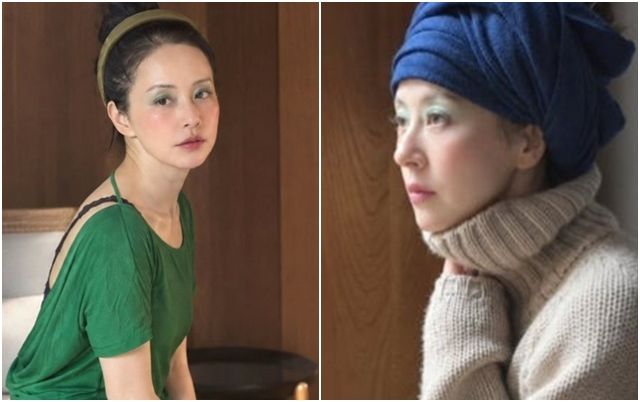
[Financial News] Broadcaster Seo Jeong-hee shared an update by posting photos taken during a trip in early winter last year. After being diagnosed with breast cancer in 2022, she underwent surgery and chemotherapy. She has recently continued to share glimpses of her travels and daily life. After breast cancer treatment, patients undergo regular checkups to monitor for recurrence, while also managing physical and mental health issues that may persist after treatment.
On the 24th, Seo Jeong-hee posted several photos on her Instagram along with the message, "While organizing my photos, I came across a few scenes from my trip in early winter last year."
In the photos, Seo Jeong-hee tried makeup and outfits in colors different from her usual style. She wrote, "That day, I wanted to step away from my usual self for a moment and try something a little bolder and different. I gently spread the green eyeshadow with my fingers instead of a brush, and finished both my cheeks and lips with my fingers as well."
She continued, "It was a look that was a little different from my usual self. It was a day when I simply wanted to create a new version of myself, at least once," adding, "Sometimes, meeting an unfamiliar version of yourself can also be a way of taking care of yourself."
Breast Cancer Treatment Involved Surgery, Chemotherapy and Targeted Therapy
Seo Jeong-hee disclosed in 2022 that she had been diagnosed with early-stage breast cancer. She said on television and through her social media accounts that she underwent a total mastectomy, completed four rounds of chemotherapy and then began targeted therapy. During treatment, she also experienced hair loss, muscle pain, vomiting and nausea.
Depending on the cancer's stage and tissue characteristics, breast cancer treatment may involve surgery, chemotherapy, radiation therapy, hormone therapy or targeted therapy, either alone or in combination. Asan Medical Center explains that adjuvant treatment is provided based on each patient's condition to eliminate microscopic cancer cells that may remain after breast cancer surgery and reduce the risk of recurrence.
Medical follow-up continues even after treatment ends. This is necessary to check for recurrence and manage lingering effects or chronic health problems caused by the treatment process.
Managing Physical and Mental Health After Cancer Treatment
Health care for cancer survivors is not limited to recurrence testing. The National Cancer Center's Integrated Support Center for Cancer Survivors considers complications and lingering effects, secondary cancers, fatigue and pain, as well as depression, anxiety, sleep disorders, fear of recurrence, and difficulties with daily life and returning to society, among other issues, to be part of survivorship care.
The National Cancer Center and regional Integrated Support Centers for Cancer Survivors across the country have doctors, nurses, social workers and dietitians assess cancer survivors' physical, psychological and daily-life concerns and provide counseling and educational programs. Support also includes the process of returning to everyday life at work and home after treatment ends.
After breast cancer treatment, patients should also monitor post-treatment symptoms such as swelling. Problems with lymphatic circulation after breast cancer surgery or other treatments can cause swelling or abnormal sensations in the arms or hands. Medical attention is needed if rings or clothing that previously fit comfortably suddenly feel tight, or if the skin takes longer than usual to return to its original state after being pressed.
Through its integrated support program for cancer survivors, the National Cancer Center assesses physical and mental health as well as daily-life issues and, when necessary, connects patients with specialized medical care or community services. Even after cancer treatment ends, patients should consult their medical team about their regular checkup schedule and any post-treatment symptoms.
[email protected] Han Seung-gon Reporter