"I Paid More in Hospital Bills but Didn't Know" ... An Average of 790,000 Won per Person Went Unrefunded
- Input
- 2026-09-24 13:00:00
- Updated
- 2026-09-24 13:00:00
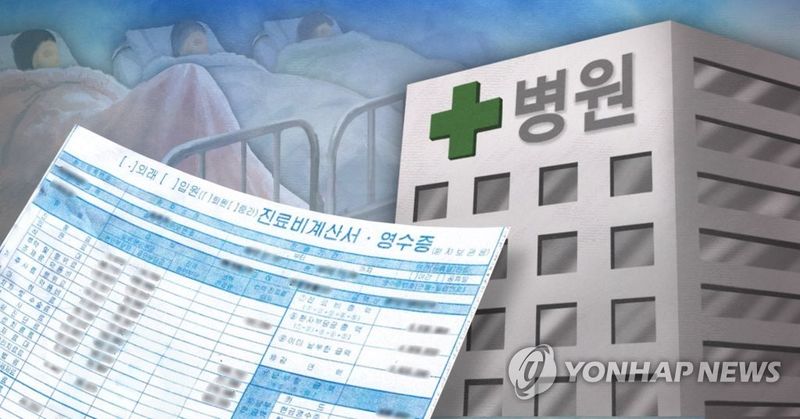
[Financial News] It was found that 50.6 billion won in refunds under the Annual Co-payment Cap, which reimburses individuals for excessive medical expenses, went unpaid over the past three years.
According to data that So Byung-hoon, a member of the Health and Welfare Committee of the National Assembly from the Democratic Party of Korea, received from the National Health Insurance Service (NHIS) on the 23rd, a total of 50.597 billion won in amounts exceeding the Annual Co-payment Cap that had been approved for payment between 2020 and 2022 was not paid because the statute of limitations had expired, as of the 9th of this month. Since 63,994 people were affected, each person missed out on an average refund of approximately 790,000 won.
The Annual Co-payment Cap is a system designed to ease household medical expenses. If an insured person’s annual out-of-pocket payments, excluding non-covered services and selective benefits, exceed the individual cap, which ranged from 890,000 won to 10.74 million won last year, the NHIS covers the excess and refunds it to the insured person or dependent.
The statute of limitations has not yet expired for amounts exceeding the cap from 2023 onward. Although payment was approved between 2023 and this year, 332.249 billion won owed to 368,577 people had still not been refunded.
Of the reasons for the unpaid amounts, 325.787 billion won, or 98.1% of the total, was classified as "applicants are being urged to apply." The refunds had not been issued because the payment application process had not been properly completed.
A substantial amount had also remained unpaid for an extended period. As of the 9th of this month, 56,276 people were within three months of the statute of limitations expiring, involving 48.197 billion won.
The NHIS sends an initial notice explaining how to apply, follows up with non-applicants three months later, and sends a third notice three months before the statute of limitations expires. The service also provides periodic reminders by phone, text message, and AlimTalk, it explained.
So Byung-hoon said, "If the NHIS repeatedly sent notices and text messages but failed to turn them into actual payments, it is difficult to say that the service fulfilled its responsibility." He emphasized, "The NHIS should proactively contact people whose statute of limitations is nearing expiration by phone and text message. It should also provide separate application assistance to older adults and people with disabilities, and in the long term, devise a way to issue refunds without requiring a separate application."
[email protected] Ahn Ga-eul Reporter