After Dumplings and Kimchi Comes Traditional Korean Liquor—Why CJ 'Set Up Jari' in New York
- Input
- 2026-09-25 07:00:00
- Updated
- 2026-09-25 07:00:00
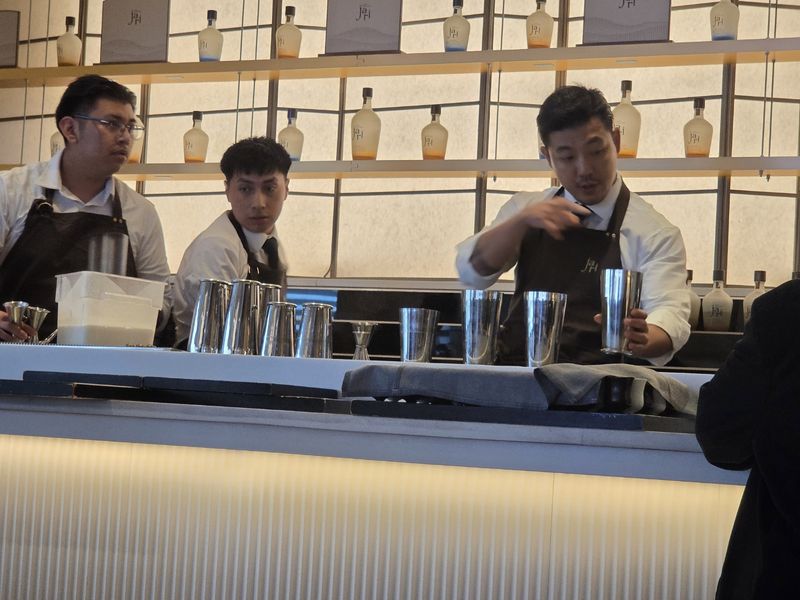
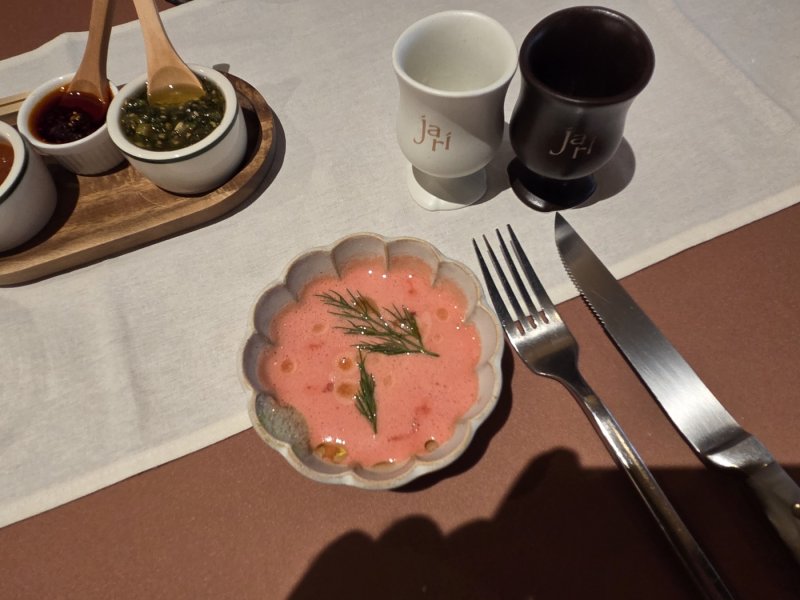
[Financial News, New York—Lee Byung-chul, correspondent] On the 23rd (local time), at Gui Steakhouse in Manhattan, New York, the shelves behind the bar held something other than wine or whiskey. They were lined with white bottles of Korean distilled spirits bearing the name “jari.” The tables were set with dishes reinterpreting Korean cuisine, including caviar, abalone and 72-hour-aged prime rib, accompanied by cocktails made with jari. Chef Shim Seong-cheol, who runs the Michelin-starred restaurants Mari and Kkochi, also personally presented a pairing menu.
The K-Spirits × jari Partners Day event held that day showcased CJ CheilJedang's latest strategic move in the U.S. market. After bringing Korean food to American tables, the company now aims to make the “Korean liquor” served with it part of a broader food culture.
CJ CheilJedang's strategy was laid out on a single slide at the event. The company sources base liquors from outstanding distilleries across Korea (Crafted), selects them (Curated), ages them (Aged), and introduces them to global markets under the single jari brand. Rather than simply exporting one traditional Korean liquor, CJ CheilJedang plans to build a “K-distilled spirits platform” that discovers Korean distilleries and connects them with consumers overseas.
Gregory Yep, head of CJ CheilJedang's Lifestyle Food Business Division, said of jari's U.S. launch, “This is an important step toward expanding the presence of Korean spirits in global markets where Korean food and culture have already been embraced. I believe it can open up new possibilities in how Korean liquor is discovered, served and enjoyed.”
Selling Korea's “jari,” Not Just “Liquor”
The brand's name also reflects its strategy. Jari comes from a Korean word meaning a place where people gather to share food and drinks. Just as wine is naturally associated with Western food and sake with Japanese food, the company aims to create a Korean spirit that people will think of alongside Korean cuisine.
CJ CheilJedang has introduced three products in the United States: “Jari Munbaesool 24,” “Jari Munbaesool 41” and “Jari Gamuchi 24.” Jari Munbaesool 24 and Jari Gamuchi 24 were first launched in Korea last July, while the 41% ABV Jari Munbaesool 41 made its U.S. debut. The product targets U.S. premium-spirit consumers accustomed to high-proof drinks.
The key differentiator is aging. After spirits made at Korean distilleries are selected, they are aged through four seasons in traditional ongii earthenware vessels. Munbae-ju uses domestically grown millet, sorghum and rice, while Gamuchi uses rice from Chungju. Munbae-ju's history dates back to the Goryeo period and it was designated a National Intangible Cultural Heritage in 1986. Rather than simply replicating tradition, the products reinterpret it as modern premium distilled spirits while preserving their Korean roots in the ingredients and brewing techniques.
The company also highlighted the products' quality. All three received awards this year from the International Wine and Spirit Competition (IWSC) and the International Spirits Challenge (ISC), two globally recognized spirits competitions. At the IWSC, Jari Munbaesool 24 scored 94 points, while Jari Munbaesool 41 scored 91.

Starting with New York Fine Dining
CJ CheilJedang's initial strategy is far removed from releasing the products all at once through large retail stores. It is first targeting Korean fine-dining restaurants and premium bars in New York, focusing on creating an experience of “K-Spirits enjoyed with K-Food.” Jari is also scheduled to be sold at select New York venues and premium Korean restaurants, including Michelin-starred establishments.
The U.S. launch event held the previous day, the 22nd, at Moono, a modern Korean restaurant in Manhattan, followed the same strategy. Jari cocktails made by Hong Du-ui, a mixologist at Seoul's Pine&Co, were paired with a Korean tasting course by Chef Kim Ho-young, who runs the one-Michelin-starred Jua. The focus was on showing consumers how to drink it, rather than simply presenting the liquor itself.
CJ CheilJedang plans to go beyond simply building the jari brand. The event also introduced four Korean distilleries, including Munbaeju Yangjowon, Danong Bio, CHUSA's Yesan Apple Wine and Hoegok Brewery of Wolyeong Andong Soju. They have been participating alongside CJ CheilJedang in the government's Global Next K-Food Project since April.
[email protected] Lee Byung-chul, correspondent Reporter