[International Oil Prices] Brent Crude Oil breaks above $103; Iran's president says, "No surrender"
- Input
- 2026-09-24 04:45:19
- Updated
- 2026-09-24 04:45:19
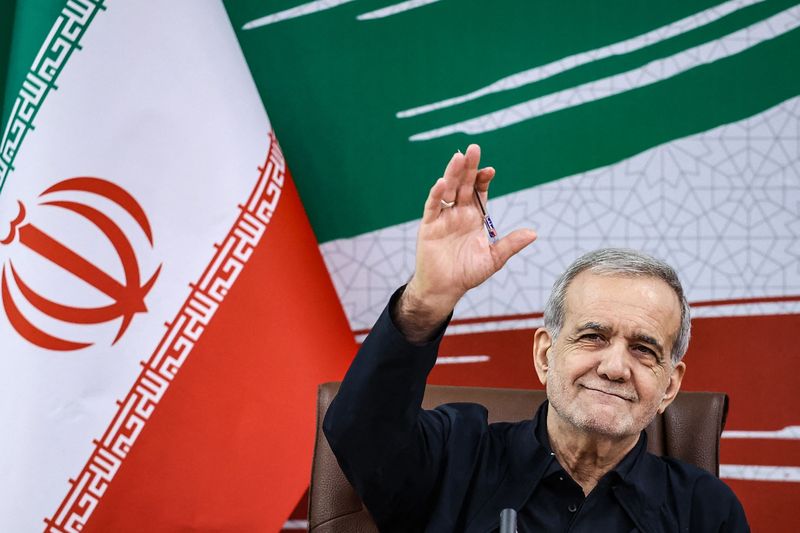
International oil prices turned higher on the 23rd (local time), ending a six-session losing streak.
Oil prices rose again after Masoud Pezeshkian declared in a speech to the United Nations General Assembly that Iran would never surrender to the United States.
Brent Crude Oil, the benchmark for international oil prices, for November delivery surged 3.9% from the previous session to settle at $103.08 per barrel.
West Texas Intermediate crude oil (WTI), the benchmark for U.S. oil prices, also rose 1.8% to settle at $92.16 per barrel for the November contract. The November contract became the front-month contract as of that day.
At the United Nations General Assembly that day, Masoud Pezeshkian said, "They—the United States—tested Iran's strength and resilience, and realized that Iran could not surrender," firmly declaring that there would be no surrender.
Earlier, U.S. President Donald Trump said at the United Nations General Assembly that a U.S. special envoy team and an Iranian delegation had negotiated for three hours and that it had been a "very good meeting," sending oil prices lower. However, before that, President Trump had unsettled markets by saying in his United Nations General Assembly speech that he faced a "big decision": whether to reach an agreement with Iran or erase the country of Iran without a trace.
Reports that Iran had demanded the immediate lifting of the United States' naval blockade, the unfreezing and return of Iranian assets, and an end to the war on all fronts, while setting a one-week deadline, also fueled the rise in oil prices after the United States reportedly dismissed the proposals.
Keshet 12 reported on the 23rd that the U.S. delegation had pointed out during the talks that Iran did not have effective control of the Strait of Hormuz and did not even have the right to make such a proposal in the first place.
Oil prices were also boosted after a cargo ship was struck in the Strait of Hormuz, killing one Indian sailor.
According to the United Kingdom Maritime Trade Operations (UKMTO), a maritime trade organization under the British Navy, a cargo ship passing through the Strait of Hormuz on the 23rd was struck by an unidentified projectile and is now adrift. The crew members were evacuated, but two casualties, including one Indian sailor who died, were reportedly recorded.
Before the war in Iran, the Strait of Hormuz was a key shipping route through which 20% of the world's oil and natural gas were transported.
[email protected] Song Kyung-jae Reporter