[Editorial] Harsh Punishment of Up to 15 Years Won’t Prevent Serious Accidents
- Input
- 2026-09-23 17:00:00
- Updated
- 2026-09-23 17:00:00
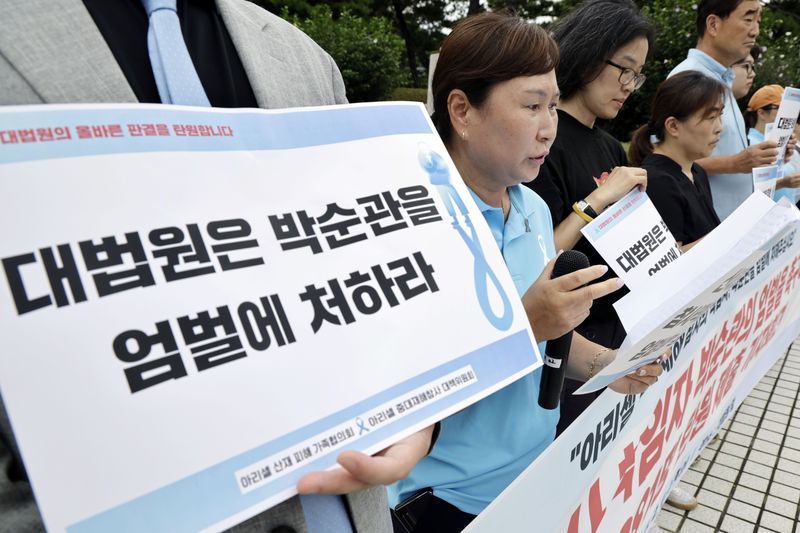
The most striking feature of the draft guidelines is the 15-year sentence. The Sentencing Commission says it set a broad sentencing range to reflect the vastly different circumstances and levels of culpability from case to case. But a 15-year sentencing guideline is excessive by any measure. Although sentencing guidelines are not legally binding, judges who depart from them must explain their reasons in the ruling. In practice, this means the guidelines do carry binding force.
The excessive guidelines are particularly troubling because they could effectively stigmatize business leaders as potential criminals. As we know, most industrial accidents are not intentional crimes; they are closer to cases of negligence caused by multiple factors overlapping at a worksite. If the guidelines specify sentences comparable to those for murder or violent crimes, what image of businesspeople will that create in the eyes of the public?
This sentencing burden could immediately discourage companies from carrying out normal business activities. Accidents can occur unexpectedly no matter how much a company increases its safety investments. If business leaders must be prepared to face more than a decade in prison for unforeseeable outcomes, who would willingly take the helm? The situation is even more serious for small and medium-sized enterprises, which have less financial capacity than large corporations. Considering difficulties in areas such as family-business succession and shortages of safety-management personnel, it is impossible to ignore the potential side effects. In fact, appointing a safety manager is mandatory. For small and midsize companies that struggle to find qualified personnel with the required certifications, excessive sentencing guidelines can only become a major burden.
There is also a fundamental issue that must be considered before setting sentencing guidelines excessively high. The Serious Accidents Punishment Act has been rigorously applied at worksites since it took effect in 2022. Yet the reality is that deaths from industrial accidents have hardly declined. In other words, a law imposing severe penalties has been implemented at worksites without producing meaningful results, while placing enormous pressure solely on businesses.
If safety indicators at worksites do not improve despite strengthening the law, the law’s effectiveness must be examined first. However, the causes should not be sought solely in the statutory provisions. Structural factors at worksites must also be investigated. In other words, the government and the judiciary should first conduct a precise diagnosis of why accidents have not declined despite the enforcement of such a strong law.
In this respect, it is out of order for the Supreme Court Sentencing Commission to substantially increase sentences instead of identifying the root causes of accidents. The original goal of preventing accidents cannot be achieved by intimidating companies with harsher penalties alone. The belief that safety will automatically be secured by raising punishment is nothing more than a typical case of punitive absolutism.
The draft sentencing guidelines require thorough reconsideration during upcoming public hearings and consultations with relevant agencies. The voices of industrial worksites and the effectiveness of punishment must both be carefully considered. Making punishment harsher will not make workplace hazards disappear on their own. Nor will higher sentences prevent accidents. We hope the Sentencing Commission will take these points fully into account and develop reasonable sentencing guidelines.