China Sets Out 'Four Red Lines'—Taiwan, Human Rights and Systems—Ahead of Xi Jinping's U.S. Visit
- Input
- 2026-09-23 16:32:10
- Updated
- 2026-09-23 16:32:10
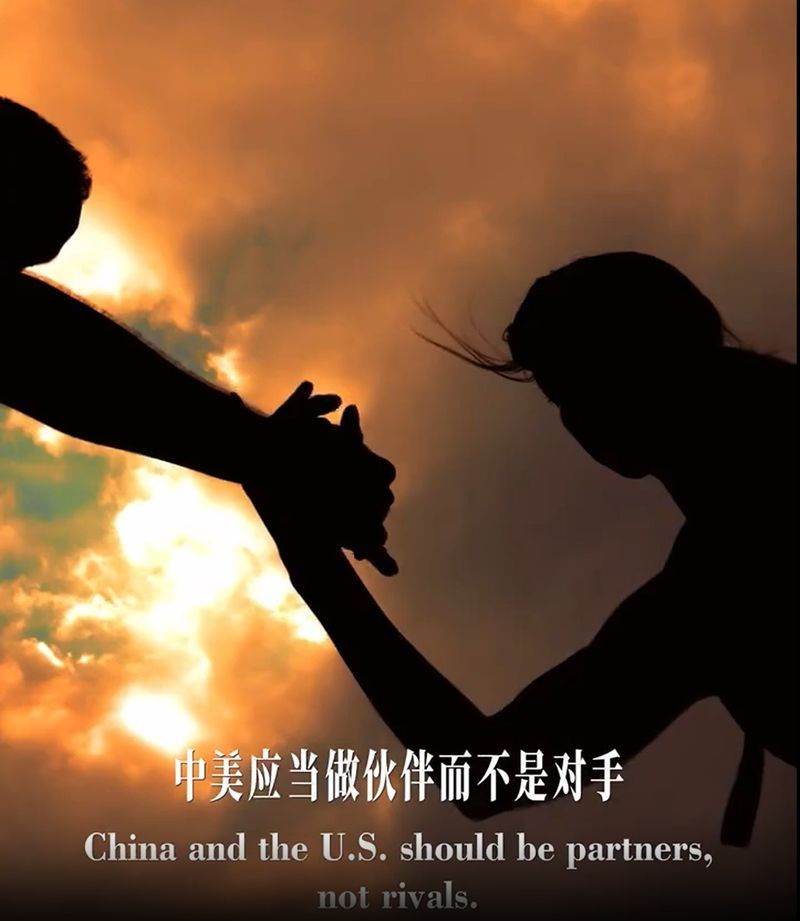
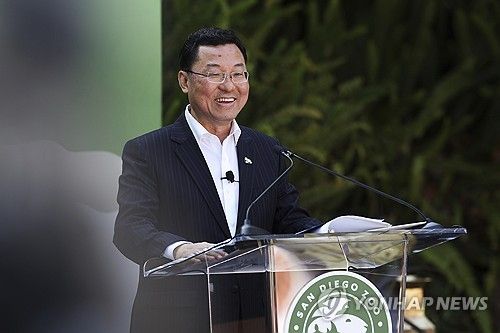
[Financial News] Ahead of a summit between United States President Donald Trump and Chinese President Xi Jinping, Chinese Ambassador to the United States Xie Feng identified the Taiwan issue, democracy and human rights, development paths and systems, and the right to development as the 'four red lines' that must not be crossed in China-U.S. relations.
In an article published in the Chinese Communist Party's People's Daily on the 23rd under the title 'Promoting the Substantive Implementation of a China-U.S. Constructive Strategic Stability Relationship,' Ambassador Xie said, "China's sovereignty, security and development interests must not be violated," presenting these four red lines.
He particularly stressed, "The four red lines—the Taiwan issue, democracy and human rights, development paths and systems, and the right to development—must not be challenged."
He also emphasized that the visit would be Xi's first state visit to the United States in 11 years and a reciprocal state visit by the leaders of the two countries following President Trump's visit to China in May.
"The China-U.S. Political Consensus: 'China-U.S. Constructive Strategic Stability Relationship'"
Ambassador Xie identified the 'China-U.S. constructive strategic stability relationship' as the most important political consensus reached by the two leaders at their summit in Beijing in May. He stressed stability, saying both sides must put the relationship into practice rather than leave it as a slogan.
He assessed that negotiations between the two countries in the economic and trade sectors had recently made positive progress. He said this showed that the two sides could find ways to address each other's concerns if they engaged with one another in a spirit of equality, respect and mutual benefit.
However, he urged the United States to "put agreements into action and ensure that words and deeds do not diverge," and demanded, "Stop measures that pressure China in the name of national security, economic imbalances, forced labor and other issues."
In the field of artificial intelligence (AI), he argued that healthy competition—not a zero-sum approach—was necessary.
"Stop Pressuring China Over Security, Economic Imbalances and Other Grounds," He Demands
Ambassador Xie said, "What China and the United States should compete over is how to innovate and develop, how to ensure that AI remains controllable, and how to improve global governance." He added, "There must no longer be a 'Silicon Curtain,' and the two countries must not wage an AI 'Star Wars.'"
He went on to stress that the two countries should use political and diplomatic as well as economic and trade mechanisms to expand exchanges in the military, law enforcement, health, agriculture, tourism, science and technology, and cultural and educational fields.
Xi Jinping will make a state visit to the United States from that day through the 25th and is scheduled to hold a summit with President Trump in Washington, D.C., on the 24th.
People's Daily also argued in its 'Zhongsheng' ('Bell') column, which reflects China's position on major foreign-policy issues, that China-U.S. relations had encountered difficulties because the United States had misperceived China and become fixated on strategic competition.
It described the Washington, D.C., summit as an important opportunity for the two leaders to implement their agreements and advance a 'constructive strategic stability relationship,' while stressing that both sides should maintain the momentum toward improving ties.
It particularly argued, "The continuity and stability of policy toward China must be maintained, and commitments must be honored," adding, "Through positive expectations for China-U.S. cooperation, the two countries must bring certainty to bilateral relations and their development."
[email protected] Lee Seok-woo, international affairs specialist Reporter