"North Korean Anthem, South Korean Nationality Listed as Chinese?" ... Never Has There Been an Asian Games Like This [Nagoya AG]
- Input
- 2026-09-23 14:37:34
- Updated
- 2026-09-23 14:37:34
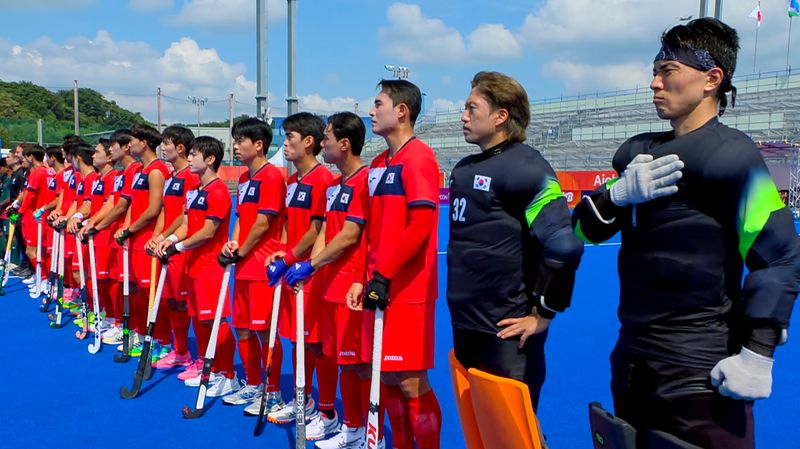
[Financial News] The 2026 Aichi-Nagoya Asian Games have become a global laughingstock, with one of the worst administrative disasters in the history of major international sporting events unfolding day after day. North Korea's national anthem was played for the South Korean delegation, South Korea was misidentified as the Republic of China at a medal ceremony, and buses routinely failed to show up. Serious breaches of courtesy toward participating countries, beyond mere operational incompetence, have pushed delegations' anger to a boiling point.
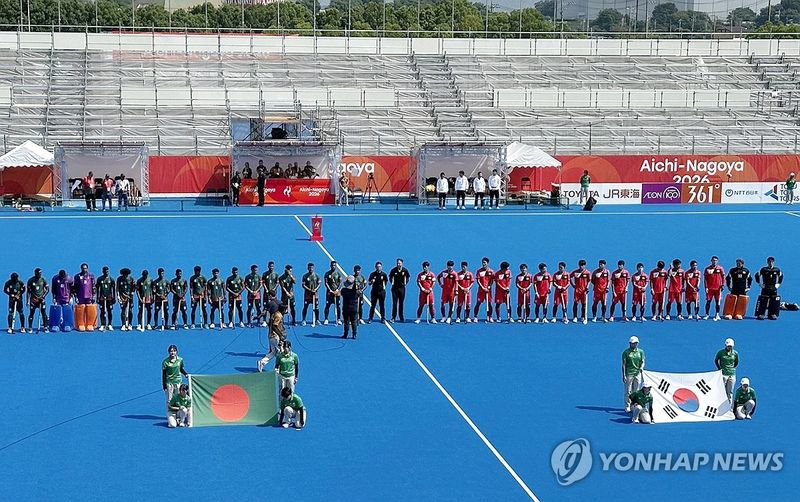
According to reports published on the 23rd by Japanese media, including The Yomiuri Shimbun, the organizing committee's blunders have exceeded all expectations. During the men's hockey match between South Korea and Bangladesh on the 18th, North Korea's national anthem was played at the venue instead of South Korea's anthem, creating a serious diplomatic affront. The Korean Sport & Olympic Committee (KSOC) lodged a strong protest, prompting the organizing committee to apologize, but the fiasco did not end there. Two days later, at a modern pentathlon medal ceremony on the 20th, the South Korean delegation, clearly displaying the South Korean flag, was introduced as the "Republic of China" before the error was belatedly corrected.
The transportation and accommodation systems, which directly affect the athletes' condition, have effectively collapsed. The South Korean men's basketball team had planned an official practice session ahead of its final against Japan on the 20th, but had to cancel the entire session when the bus assigned by the organizing committee failed to appear. China's delegation was also stranded at an airport for hours, while two or three transportation failures have reportedly occurred every day.
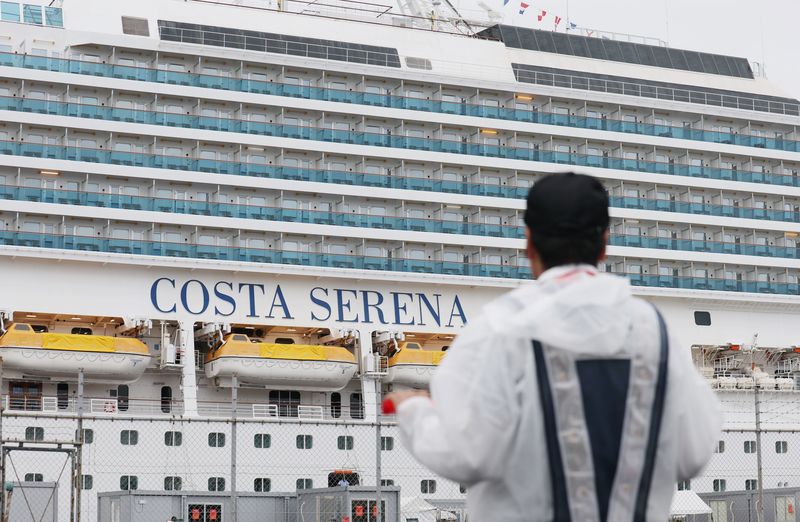
The confusion was compounded by the decision to use a large cruise ship as the athletes' village instead of building a separate one to cut costs. Delays in check-in procedures and chaotic room assignments left delegations from various countries unpacking their luggage on the ground and protesting, when they should have been resting and recovering from fatigue.
Even as the situation reached this level of severity, the organizing committee's attitude amounted to a brazen attempt to shift the blame back onto others. Omi Takaaki, deputy director of the organizing committee secretariat, held a press conference and bowed his head while saying, "We apologize for the human errors," but then offered the absurd justification that "the games themselves were not affected." Regarding the bus scheduling and accommodation delays, he even blamed the participating countries, claiming that they were caused by "last-minute emergency requests from delegations or incomplete documents."
Behind this unprecedented disaster lies a dark shadow over Japan's sports sector. Local media have identified the Tokyo 2020 corruption scandal as the fundamental cause of the operational failures. The analysis is that, in the aftermath of the bribery scandal, major advertising agencies including Dentsu were completely excluded from organizing the event, leading to the large-scale deployment of amateur staff with no experience in international competitions.
Omi also acknowledged that "there may have been mistakes because there are many inexperienced personnel," but continued to make irresponsible remarks, saying, "We are somehow managing to carry on." Asia's biggest sporting festival, built on four years of athletes' sweat and dedication, has been reduced to an "amateur administrative training ground" for an incompetent organizing committee.
[email protected] Jeon Sang-il Reporter