'No Health Exams, Poor Hygiene'... Numerous Businesses Selling Substandard Chuseok Foods Caught
- Input
- 2026-09-23 13:49:05
- Updated
- 2026-09-23 13:49:05
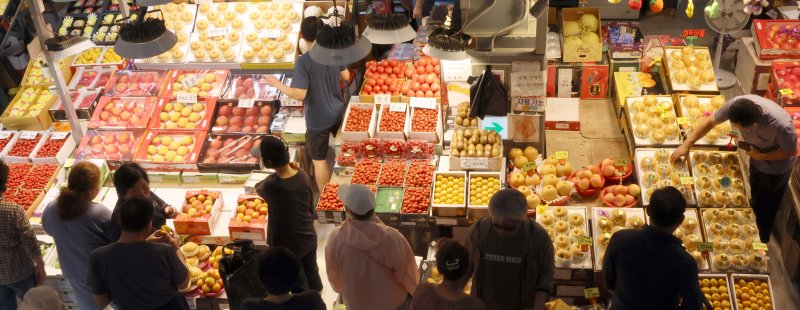
[Financial News] Numerous businesses handling Chuseok foods for ancestral rites and gifts were found to have poor hygiene conditions or to have posted improper advertisements.
The Ministry of Food and Drug Safety said on the 23rd that it had inspected 8,242 businesses manufacturing, importing, preparing, or selling foods in high demand during Chuseok together with 16 local governments. Of those, 150 businesses, or 1.8%, were found to have violated the Food Sanitation Act, the Livestock Products Sanitary Control Act, and other regulations, and the ministry requested administrative action and other measures from the relevant authorities.
In the food sector, including alcoholic beverages and processed foods, failure to undergo required health examinations was the most common violation, involving 51 businesses. This was followed by violations of sanitary handling standards, such as inadequate cleanliness management in cooking areas (40 businesses); violations of business operators' compliance requirements, such as storing products past their use-by dates (9); and violations of facility standards, such as failing to install insect- and rodent-control facilities (8).
In the livestock products sector, inspectors found failures to undergo required health examinations (8 businesses); violations of food labeling standards, including failure to display required information (5); violations of self-managed hygiene standards, including failure to keep production logs (4); and violations of business operators' compliance requirements, such as inadequate cleanliness management at workplaces (3).
The authorities collected 2,326 agricultural, livestock, and fishery products distributed domestically—including processed foods such as yakju and hangwa, as well as health functional foods such as red ginseng—and tested them for pesticide residues, heavy metals, and food-poisoning bacteria. Of the 1,956 tests completed, all products met the applicable standards and specifications, while 10 were deemed noncompliant. The relevant authorities plan to impose administrative measures and dispose of those products.
At the customs clearance stage, the 473 items tested so far met the applicable standards and specifications, while three were deemed noncompliant. They are expected to be returned to the exporting countries or disposed of, among other measures.
In addition, a review of 300 online food advertisements related to benefits of high interest to consumers, including immune support, gut health, blood circulation, and agarwood, found 47 cases of false or exaggerated advertising, accounting for 15.7%.
An official from the Ministry of Food and Drug Safety urged consumers, saying, "When purchasing health functional foods and similar products online, carefully check the Health Functional Food mark and the stated functional claims to prevent harm caused by improper advertising, and do not be misled by such advertisements."
[email protected] Kim Seo-yeon Reporter