Key U.S. F-35 Component Disappears After Being Misdelivered to China
- Input
- 2026-09-23 11:56:39
- Updated
- 2026-09-23 11:56:39
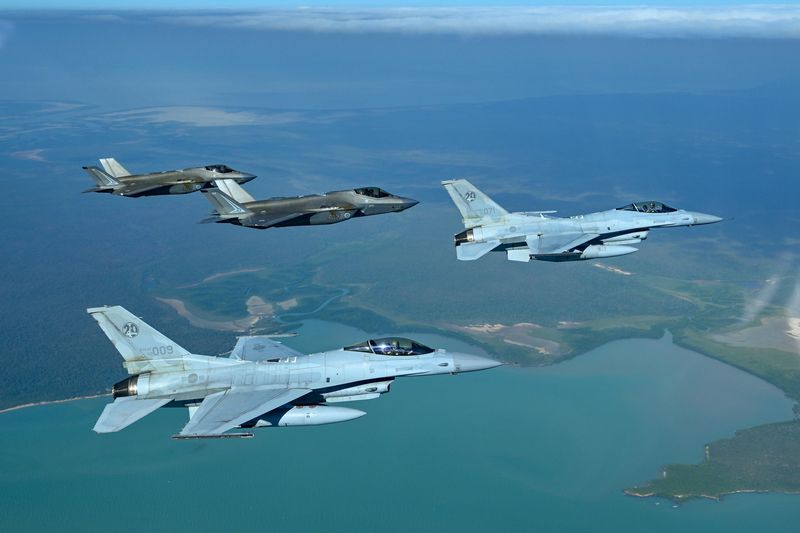
[Financial News] Advanced U.S. fighter jet components were misdelivered to China, prompting the United States Department of Defense (DoD) and other relevant agencies to launch investigations.
On the 19th, local time, Politico reported, citing officials, that Congress only later learned during a hearing that several components of the Lockheed Martin F-35 Lightning II, a Western fifth-generation fighter, had been misdelivered from Australia to China's Hong Kong Special Administrative Region and subsequently went missing. Two officials explained that the list of affected components included the canopy, the transparent cover over the cockpit. The components incorporate stealth technology possessed only by the United States and its allies. One official warned that China could reverse-engineer the components to obtain the technology.
The misdelivery reportedly occurred last summer. An official explained that United States Department of State (State Department) and DoD officials were first informed of the incident in June. The components had been sent to the United States for repairs by the Royal Australian Air Force, which operates F-35s. Australia is one of eight key countries that provided funding and directly participated from the outset of the F-35's development, gaining access to advanced technologies and taking part in component production.
The components arrived in Hong Kong after their route changed for unknown reasons while Lockheed Martin was transporting them across the Pacific through an intermediary. They subsequently went missing. The DoD launched efforts to recover the components and investigate the circumstances of the incident.
Lockheed Martin told U.S. media outlets that it could not comment on specific transportation details for security reasons. However, the company maintained that it had complied with U.S. law throughout all transportation procedures.
Australian Defence Minister Richard Marles distanced Australia from responsibility for the incident, saying he understood that no sensitive components were among the cargo sent to Hong Kong. Marles said, "This incident is ultimately a matter for the United States and Lockheed Martin, the U.S. prime contractor responsible for managing the global supply chain, to resolve."
[email protected] Park Jong-won Reporter