[Exclusive] KRW 160 Billion Worth of 'Fakes' Seized... "Penalties Must Be Toughened"
- Input
- 2026-09-23 16:45:33
- Updated
- 2026-09-23 16:45:33
■ Counterfeiting of Luxury Brands Such as Louis Vuitton and Chanel Persists
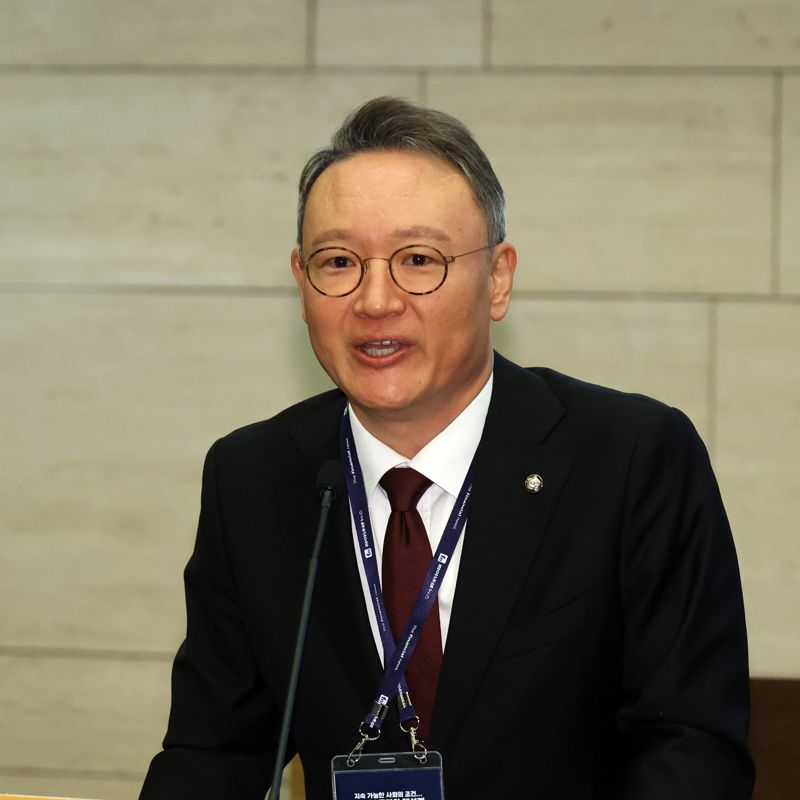
According to data that Ahn Sang-hoon, a People Power Party lawmaker on the National Assembly of the Republic of Korea's Finance and Economy Planning Committee, received from the Korea Customs Service on the 23rd, intellectual property rights infringers were caught in 53 cases during the first half of this year, from January through June. When valued at the prices of genuine products, the seized counterfeits were worth KRW 159.6 billion. A simple calculation shows that counterfeit goods worth approximately KRW 3 billion were intercepted for every enforcement case before entering the domestic market.The amount seized in the first half of this year reached 57% of last year's annual total. If the current trend continues through the second half, it is expected to exceed last year's level. The value of seized counterfeit goods declined for three consecutive years—from KRW 563.9 billion in 2022 to KRW 371.3 billion in 2023 and KRW 170.5 billion in 2024—but rebounded to KRW 278.9 billion last year.
The counterfeit goods seized in the first half of this year were concentrated in clothing and textiles. Seizures in this category totaled KRW 120.9 billion, accounting for 76% of the overall amount. That figure surpassed the full-year total of KRW 120.6 billion recorded for clothing and textiles last year in just six months.
Bags followed at KRW 23 billion, with other items at KRW 9.8 billion and toys and stationery at KRW 1.8 billion. The high proportion of clothing and textiles is attributed to the relatively low difficulty of counterfeiting them. Lee Jong-woo, a professor in the Department of Distribution and Marketing at Namseoul University, explained, "Unlike home appliances, which require advanced technology, clothing and textiles are relatively easy to reproduce. In addition, manufacturing expertise for some luxury products has accumulated in countries such as China and Indonesia. While production costs are low, brand value is high, resulting in substantial profits from counterfeit goods."
By brand, Louis Vuitton had the highest value of seized counterfeit goods at KRW 5.5 billion. Chanel followed with KRW 2.3 billion, followed by Hermès with KRW 1.5 billion and Celine with KRW 1.3 billion. Gucci and Christian Dior each recorded KRW 1.1 billion, followed by Prada at KRW 600 million, Burberry at KRW 300 million and Rolex at KRW 100 million.
Luxury Demand Drives Diversification of Distribution Channels
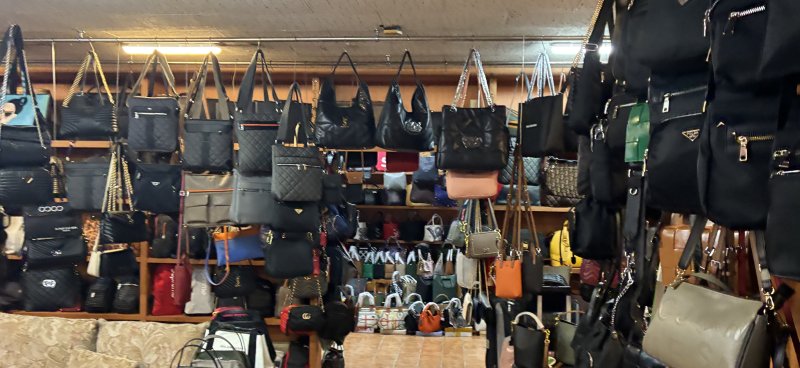
Analysts say that steady demand for luxury goods and strengthened enforcement, among other factors, contributed to the renewed increase in counterfeit-goods seizures. The possibility of increased demand due to a rise in domestic and foreign tourists has also been raised. Lee said, "The increase in the number of tourists could affect demand for counterfeit goods. As enforcement against online counterfeit goods has been strengthened, offline sales may be increasing instead."Experts also identified a consumer culture that favors luxury goods as one reason the counterfeit market has not disappeared. Heo Kyung-ok, a professor in the Department of Consumer Industry at Sungshin Women's University, said, "As long as consumers continue to demand luxury goods, this problem will inevitably recur. If people strongly admire those who own luxury goods or want to own them themselves, demand for counterfeit products will inevitably emerge as well." She added, "Consumer perceptions also need to change, including by easing excessive preference for and blind faith in luxury goods."
Some have also called for more effective penalties to curb the distribution of counterfeit goods. Lee emphasized, "As counterfeit goods are becoming increasingly difficult to detect, penalties need to be strengthened. Authorities must respond firmly, including by imposing aggravated punishment when offenders are caught repeatedly."
Ahn Sang-hoon said, "The seizure of counterfeit products worth nearly KRW 160 billion in just six months this year shows that the inflow of counterfeit goods remains a serious problem. To prevent consumer harm and disruption of the domestic distribution system, enforcement must be made more thorough at both the customs-clearance and distribution stages."
[email protected] Lee Hae-ram and Lee Dong-hyeok Reporter