Korea Customs Service Tightens Crackdown on E-Cigarettes Labeled 'Nicotine-Free' in Name Only
- Input
- 2026-09-23 10:24:55
- Updated
- 2026-09-23 10:24:55
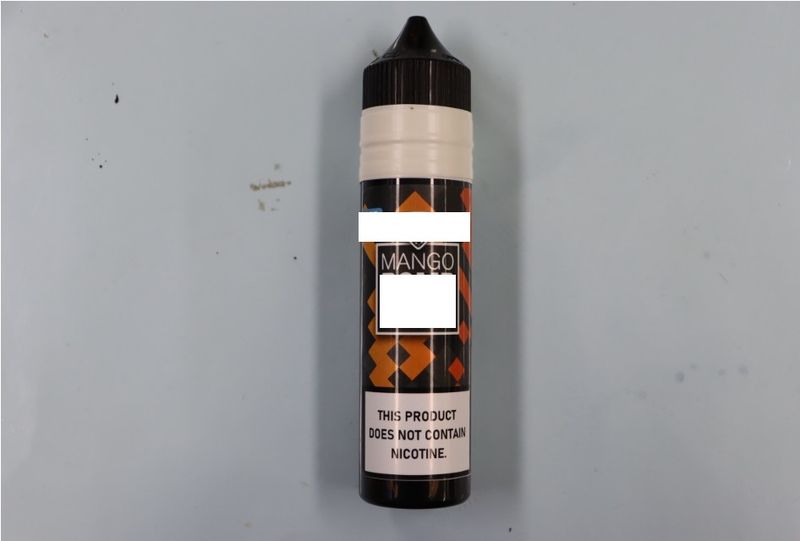
The Korea Customs Service said on the 23rd that it has strengthened customs clearance management and post-clearance enforcement of e-cigarette liquids since the revised Tobacco Business Act took effect on April 24. The measures target illegal attempts to disguise synthetic nicotine, which is taxable, as nicotine analog or nicotine-free products, which are not subject to taxation.
As attempts to circumvent the rules increased, the Korea Customs Service placed all nicotine analog and nicotine-free liquids under review starting August 18. In particular, after closely analyzing China's local e-cigarette licensing system, it made the submission of licensing documents and five types of supporting documents covering the entire transaction process mandatory for Chinese products, which account for more than 99% of imports, in order to verify their authenticity.
Pre-clearance composition testing was also strengthened. The Central Customs Laboratory and Scientific Service has conducted composition analysis before customs clearance for every import declaration since July 16, one month before the enhanced measures took effect. In consultation with the Ministry of Food and Drug Safety, the laboratory developed an officially recognized analytical method for nicotine analogs and is applying uniform standards at customs offices nationwide. From last year through September this year, authorities caught 22 cases involving the importation of nicotine falsely declared as nicotine-free, totaling 65.43 L.
These extensive customs controls have led to a notable decline in imports. Nicotine analog imports fell 83.3%, from 12t in January-April this year across six cases to 2t across five cases in May-August. Nicotine-free imports also declined from 153t to 149t over the same periods, showing signs of slowing.
The Korea Customs Service plans to continue post-clearance enforcement through customs investigations and cooperation with the National Tax Service (NTS), the Korean National Police Agency and other relevant agencies, rather than limiting its efforts to blocking illicit shipments at the customs stage. It has launched customs investigations into companies suspected of evading individual consumption tax by falsely declaring natural nicotine as nicotine analog or nicotine-free products. The investigations cover not only tax evasion but also trade crimes such as undervaluation and illicit foreign-currency transfers.
Lee Jin-hee, director general of the Korea Customs Service's Customs Clearance Bureau, said, "Although 50% of tobacco-related taxes on synthetic nicotine is deferred for two years, efforts to develop new substances to evade regulations and falsely declare ingredients are expected to continue. We will mobilize all available resources and respond firmly to illegal activities."
Meanwhile, as synthetic nicotine was brought under tobacco regulations and imports plunged, imports of nicotine analogs—which are not classified as tobacco under current law—have increased nearly 28-fold over the past six months. Analysts say small-scale synthetic nicotine operators that cannot meet the current enforcement decree of the Tobacco Business Act, which requires capital of at least 10 billion won for liquid-form tobacco manufacturing businesses, are moving into the nicotine analog market to avoid the tax burden.
[email protected] Kim Won-jun Reporter