"AI detects flooding and manages traffic flow automatically"... Busan launches AI traffic signal system
- Input
- 2026-09-23 09:37:52
- Updated
- 2026-09-23 09:37:52
Busan Metropolitan City Government announced on the 23rd that it had completed the KRW 2.9 billion Real-Time Intersection Information Service Project and would expand its AI-based traffic system starting this month.
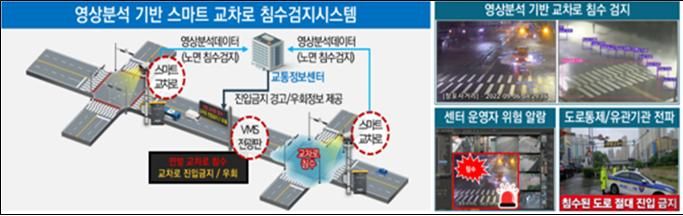
First, a flood detection algorithm was newly introduced at 11 major intersections at risk of flooding. If an intersection becomes flooded due to torrential rain, the system detects it and provides citizens with information on traffic controls and detours.
The city also expanded infrastructure for providing real-time traffic signal information, which displays signal status and remaining signal time through navigation systems.
Since January last year, the city has provided signal status and remaining-time information in the Haeundae Centum District area through major mobile apps, including Kakao Navi, NAVER Map and TMAP, as well as Hyundai Motor's Bluelink and Kia's connected-car navigation systems.
This year, the city expanded the infrastructure for open access to real-time traffic signal information to 25 intersections along sections of Yeonsu-ro, Suyeong-ro and Chungnyeol-daero.
It also expanded the construction of smart intersections to optimize signals through real-time traffic signal control systems and smart adaptive signal systems, thereby improving traffic flow.
Pilot operations showed that the real-time traffic signal control system reduced intersection delay times by more than 10%, while the smart adaptive signal system cut delays by 36%.
Accessibility has also been improved so that citizens can easily use this advanced traffic information in their daily lives. The city's revamped Traffic Information Service Center website and mobile app allow users to check real-time traffic conditions at a glance.
Busan Metropolitan City Government also signed an agreement with the Korea Transportation Safety Authority to share real-time operational and accident information on hazardous-material transport vehicles entering Busan. It plans to analyze travel patterns in areas with heavy truck traffic, including the Port of Busan, and relay information to relevant agencies when accidents occur.
Busan Metropolitan City Government expects the completion of the project to significantly improve not only traffic flow but also its ability to respond to emergencies.
Mayor Chun Jae-soo said, "We will continue to advance transportation service models that reflect Busan's traffic conditions and characteristics, creating a safe transportation environment that citizens can experience firsthand."
[email protected] Kwon Byung-seok Reporter