"U.S.-Arab Talks Underway on $10 Billion Fund to Bypass the Strait of Hormuz"
- Input
- 2026-09-23 04:32:19
- Updated
- 2026-09-23 04:32:19
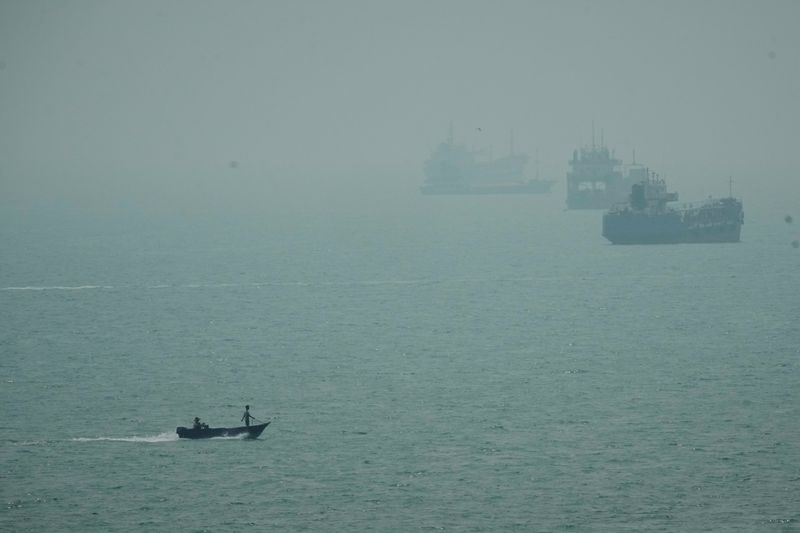
The United States is reportedly discussing with Arab countries the creation of a $10 billion (approximately 13.6 trillion won) fund to rebuild energy facilities and infrastructure destroyed in the war with Iran. The plan also calls for using the fund to build new pipelines and other facilities that bypass the Strait of Hormuz.
The Financial Times (FT) reported on the 22nd (local time) that the United States is pursuing an initiative called "Partnership for Alliance-Building and Trust." Under the draft, the United States would provide half of the fund, or $5 billion, while Arab countries would contribute the other half to establish a holding company. The United States would chair the board, and working-level negotiations between the United States and Arab countries would begin next month.
In particular, the plan focuses on neutralizing Iran's control over the Strait of Hormuz. The war demonstrated that Iran could use mountainous areas along the Strait of Hormuz coast and other terrain to indiscriminately attack vessels passing through the waterway, and Iran has used that capability as leverage in negotiations. Before the war, the Strait of Hormuz was a key route carrying 20% of the world's crude oil and natural gas shipments.
The draft states that sovereign wealth funds and private capital may invest in the holding company and that funds will be directed to "strategic energy and infrastructure assets of allied countries in the Middle East."
Private investment firms expected to participate include Blackstone, described as the world's largest hedge fund; Global Infrastructure Partners (GIP), a unit of BlackRock, the world's largest asset manager; and KKR.
One source said that some of the private investment firms on the list knew nothing about the matter until they learned that the Donald Trump administration had included their companies in the draft.
Three other sources said the United States is currently discussing the draft with its Arab allies and that President Donald Trump and Arab leaders would discuss the matter on the occasion of the UN General Assembly in New York on the 22nd.
The draft explains, "The agreement is intended to ensure that exports continue by preventing a single bottleneck from halting regional energy flows through a joint cooperation mechanism. No single country can build such an alternative transportation network on its own, and the more transportation routes there are, the less control hostile countries will have over the global energy system." This makes clear that the fund will be used to prevent Iran from attempting to wield leverage over the global economy through its control of the Strait of Hormuz.
Michael Wahid Hanna of the International Crisis Group (ICG) noted that Arab countries would also invest if the project's economic viability were proven, but would not participate simply for Donald Trump's sake.
He said, "Many people have begun thinking that we need to diversify transportation routes and build stronger resilience, and those are all valid ideas," but added, "These countries will not readily participate in economically unrealistic projects for Trump's benefit."
He continued, "They will consider whether such investments would remain viable even after the conflict has subsided and oil price volatility has eased," warning that Arab countries' response could be lukewarm.
[email protected] Song Kyung-jae Reporter