United States, Iran Signal Resumption of Talks at the United Nations (UN); Iran Says, "We'll Reopen the Strait of Hormuz if the Blockade Is Lifted"
- Input
- 2026-09-22 21:31:41
- Updated
- 2026-09-22 21:31:41
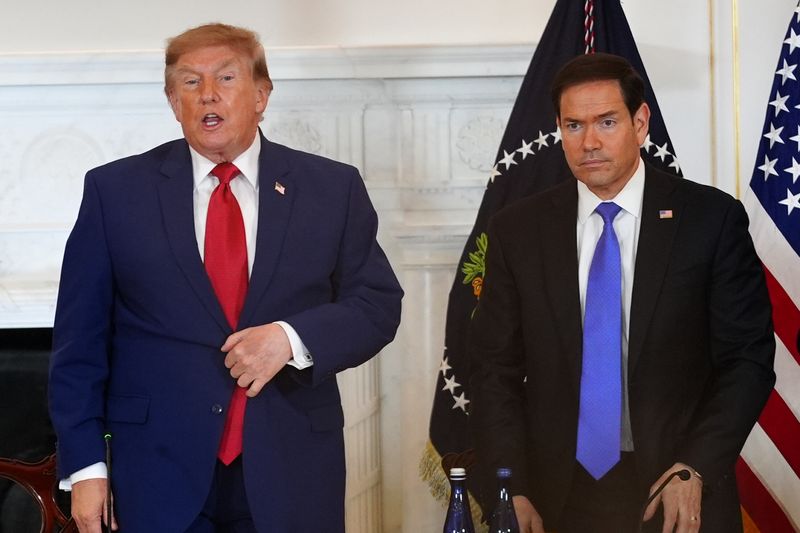
Marco Rubio, the United States secretary of state, said in an interview with NBC on the 22nd (local time) that Washington was open to talks with Iran during the UN General Assembly. "We are open," he said. He added, "Nothing is scheduled at this point," but also said, "If there is a prospect that this will lead to a positive outcome and ultimately achieve the central objective of all this, we are certainly open to talks."
Rubio made clear that the goal was "to ensure that Iran can never have nuclear weapons." This means the United States could return to the negotiating table if there were tangible results that prevented Iran from acquiring nuclear weapons. However, no summit between United States President Donald Trump and Iranian President Masoud Pezeshkian is currently scheduled.
Iran also signaled that it was eager to resume negotiations. An Iranian senior official told Reuters that if the United States lifts its blockade, Iran could allow vessels in the Gulf region to transit the Strait of Hormuz again within days. The official called the UN General Assembly "a golden opportunity for the United States to return to diplomacy" and said Washington should formally declare its willingness to pursue a diplomatic solution before agreeing on a schedule for talks.
In particular, Iran gave the delegation it sent to the UN General Assembly full authority to resume negotiations with the United States. On the 16th, it also delivered a new proposal to Washington through a mediator. Face-to-face negotiations between the United States and Iran have been effectively suspended since an interim agreement aimed at ending the war fell through in July.
The Strait of Hormuz is the biggest bargaining lever in the negotiations. Before the war, approximately one-fifth of the world's crude oil supply passed through the Strait of Hormuz, and disruptions to shipping there have been a key factor driving up international oil prices. After Iran's reopening proposal became known, Brent Crude Oil immediately reacted, falling below $100 per barrel that day.
On the same day, President Donald Trump is scheduled to meet with the leaders of the six Gulf states, including Saudi Arabia, Qatar and the United Arab Emirates (UAE). The Gulf states will call for the normalization of operations through the Strait of Hormuz while also discussing Qatar's new security initiative to bring Iran and the Gulf states into a joint security framework.
[email protected] Correspondent Lee Byung-chul Reporter