"Stroke Is Not an Elderly Disease"—One in 10 Patients Is Under 50
- Input
- 2026-09-23 07:00:00
- Updated
- 2026-09-23 07:00:00
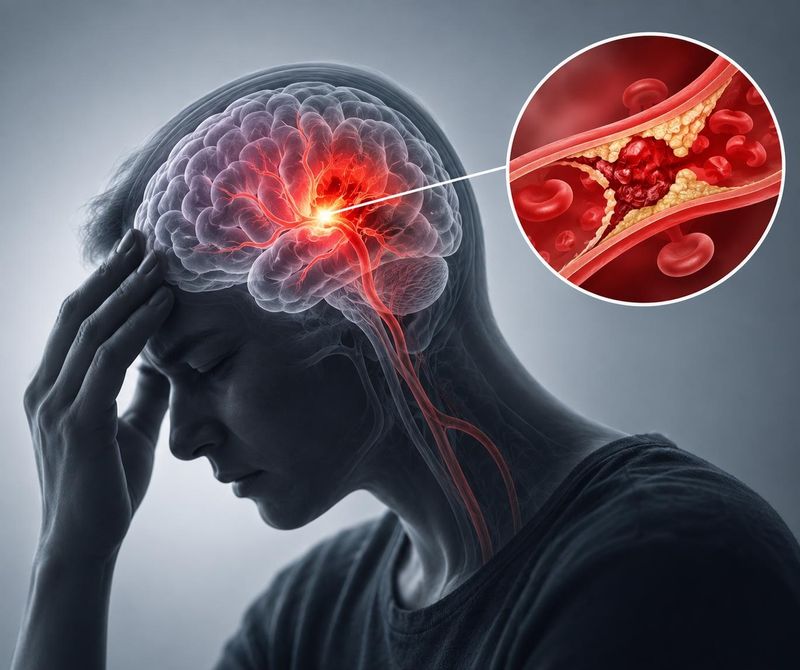
[Financial News] An estimated 10% to 15% of stroke cases occur in people under 50. As stroke, which is often viewed solely as a disease of older adults, also occurs fairly often among younger people, experts are emphasizing the importance of managing vascular health during periods like this, when day-night temperature differences are widening.
As the temperature gap between morning and evening has recently widened, the time has come to pay particular attention to vascular health. Temperature and short-term temperature changes are known environmental factors associated with the risk of stroke. Sudden exposure to cold can activate the sympathetic nervous system, constrict blood vessels and raise blood pressure. Conversely, extreme heat can dilate peripheral blood vessels and cause heavy sweating, potentially resulting in dehydration and blood concentration. These physiological changes may partly affect the risk of stroke.
Older adults and people with stroke risk factors such as hypertension, diabetes, dyslipidemia and atrial fibrillation, as well as those who have previously experienced a stroke, need to be particularly cautious about sudden weather changes. Observational studies to date have reported that extreme heat or cold, as well as major temperature fluctuations, is associated with an increased risk of stroke.
Seek Emergency Care Immediately if Weakness Develops in an Arm or Leg or Speech Becomes Slurred
Minhwan Lee, a professor of neurology at The Catholic University of Korea, Seoul St. Mary's Hospital, warned, "During periods of major temperature fluctuations, it is important to avoid prolonged exposure to sudden cold or heat and to drink enough fluids to prevent dehydration during heat waves." He added, "If you suddenly develop weakness or reduced sensation in one arm or leg, one side of your face droops, or your speech suddenly becomes slurred or you have difficulty understanding speech, you should not simply assume that the symptoms are caused by the weather and wait." These symptoms are hallmark warning signs of stroke, so emergency medical care should be sought immediately.
Stroke, commonly known in Korea as 'jungpung,' is divided into ischemic stroke, in which a cerebral blood vessel becomes blocked, and hemorrhagic stroke, in which a vessel ruptures. Ischemic stroke occurs more frequently, accounting for approximately 7% to 80% of stroke patients in South Korea. However, the outcome is the key point to note. Hemorrhagic stroke carries a much higher risk of death and severe disability than ischemic stroke. Once a blood vessel ruptures, it can directly damage the surrounding brain tissue and cause a rapid increase in intracranial pressure, often leading to a condition beyond effective treatment. Stroke also cannot be viewed solely as a disease of older adults. Approximately 10% to 15% of all patients are under 50.
Hemorrhagic stroke is broadly divided into two types according to the location and cause of the rupture: intracerebral hemorrhage, in which a small blood vessel within the brain tissue ruptures, and subarachnoid hemorrhage, in which an intracranial aneurysm in a major blood vessel on the brain's surface ruptures. In both cases, the prognosis is often poor even with treatment, making prevention especially important. Managing hypertension and screening for intracranial aneurysms are essential for preventing stroke.
Managing Hypertension and Screening for Intracranial Aneurysms Are Key to Prevention
First, managing hypertension is the foundation of stroke prevention and the most reliable preventive measure. Studies show that people with hypertension have a three- to fivefold higher risk of stroke than people with normal blood pressure. Conversely, lowering systolic blood pressure by just 10 mmHg can reduce the risk of stroke by approximately 20% to 30%, with the effect being even more pronounced for hemorrhagic stroke. This means that managing hypertension is the most effective shield against cerebral hemorrhage.
Second, an intracranial aneurysm—a ticking time bomb in the brain—should be detected in advance. Intracranial aneurysms are often asymptomatic before rupture, making them easy to miss. People in the following high-risk groups should consider undergoing preventive screening: those with two or more first-degree relatives, including parents, siblings or children, who have had an intracranial aneurysm; those with conditions that increase the risk of developing an intracranial aneurysm, such as autosomal dominant polycystic kidney disease (ADPKD); and those with a history of an intracranial aneurysm rupture on one side.
The risk of developing one on the opposite side is particularly high when there is a history of rupture on one side. If screening detects an unruptured intracranial aneurysm, doctors consider its size, shape and location, weigh the risk of rupture against the potential benefits and drawbacks of treatment, and decide whether to monitor it or treat it with procedures such as craniotomy or embolization.
A healthy diet can also help lower the risk of stroke. Instead of white rice, choose fiber-rich multigrain rice or whole-wheat bread, and when eating soup, focus on the solid ingredients rather than the broth. Eating omega-3-rich fish such as salmon, mackerel and saury twice a week can help. Choosing lean cuts of chicken rather than beef or pork is also beneficial. It is recommended to include fresh vegetables and fruit with every meal, use healthy fats such as olive or canola oil instead of butter or margarine, and eat nuts instead of instant snacks.
[email protected] Jung Myung-jin, medical correspondent Reporter