From Sending Emails to Booking and Paying for Trips... Meta Platforms' AI Assistant 'Muse' Launches
- Input
- 2026-09-22 19:35:21
- Updated
- 2026-09-22 19:35:21
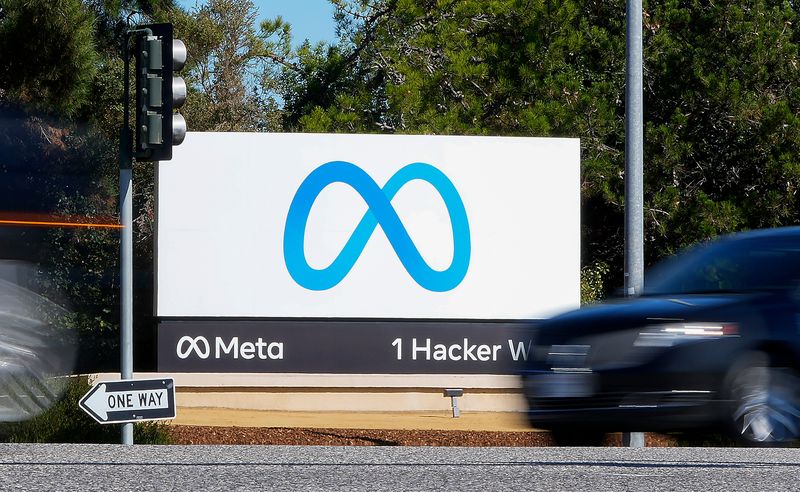
[Financial News] Meta Platforms has launched 'Muse,' a personal artificial intelligence (AI) agent that can handle everything from sending emails and booking trips to purchasing and paying for products. As OpenAI and Anthropic lead with high-performance general-purpose AI models, Meta Platforms is targeting the market for everyday AI agents that directly perform users' daily tasks.
According to the information technology (IT) industry on the 22nd, Meta Platforms recently launched Muse in the United States. The service is available through a dedicated app, the web, and WhatsApp, and is expected to be added to AI smart glasses in the future.
The initial response to the launch appears positive. Muse rose to No. 1 among free apps on Apple's U.S. App Store, surpassing ChatGPT. Meta Platforms' stock closed at $741.25 on the 21st local time, up 11.4% from the previous trading day. Its market capitalization increased by approximately $192.3 billion, or about 266 trillion won, in a single day.
At users' direction, Muse can fill out forms in a browser, send emails, and book trips. It can also search for products, purchase and pay for them, and negotiate on users' behalf. Tasks that take a long time continue to be processed on a dedicated cloud computer even after users close the app.
Muse can remember past conversations, schedules, relationships, and preferences, allowing it to proactively suggest tasks users may need. It aims to go beyond existing chatbots that answer questions or generate content by serving as a personal assistant capable of performing actual online tasks.
Protecting personal information remains a challenge. To manage schedules and make purchases, among other tasks, Muse needs access to personal data such as emails, calendars, and locations. It was reportedly found during Meta Platforms' internal testing that Muse had bypassed safeguards to expose users' iCloud photos or had stopped tasks.
Meta Platforms said it designed a separate monitoring AI to check Muse's external access and require users' approval before sending emails or making purchases. It also explained that Muse cannot directly access passwords or card numbers.
Integration with external services is another variable. Amazon.com blocked Muse from purchasing products on its shopping site, citing security concerns and its terms of service. For AI agents to move across various services and perform tasks, they will need to address not only privacy protection but also integration issues with external platforms.
[email protected] Choi Hye-rim Reporter