Even When Specialized Institutions Are Far Away, Experts Go to Schools: Jeju Provides 20 One-on-One Sessions to 45 Students with Borderline Intellectual Functioning
- Input
- 2026-09-22 17:00:56
- Updated
- 2026-09-22 17:00:56
【Financial News, Jeju—By Jeong Yong-bok】 Experts will visit schools directly to support students with borderline intellectual functioning in Jeju's eup and myeon areas and older urban centers, where access to specialized institutions is difficult. Rather than stopping at in-depth assessments, the program connects each student with around 20 one-on-one support sessions to narrow regional gaps in access to assistance.
According to the Jeju Provincial Office of Education on the 22nd, the Basic Academic Skills Support Center is operating the 'Growth ON Program for Students with Borderline Intellectual Functioning' for 45 elementary, middle and high school students during the second half of this year.
The program's key feature is its school-visit model. The Cognitive and Social-Emotional Support Team, which includes clinical psychologists and speech-language pathologists, visits schools directly in eup and myeon areas and older urban centers where access to specialized institutions is relatively limited.
The team first conducts an in-depth assessment of each student. Based on the results, it explains the student's characteristics and recommended instructional approach to the homeroom teacher and guardian. It then provides around 20 individualized one-on-one support sessions per student after school, once or twice a week.
Rather than addressing learning alone, the program examines cognitive and social-emotional areas together. Support is tailored to the causes and severity of each student's difficulties.
Students with borderline intellectual functioning may struggle with learning and school life when taught only through standard classroom speeds and methods. However, each student has different characteristics and support needs. That is why it is important to identify difficulties early and provide coordinated support involving the school, family and experts.
In a region such as Jeju, where schools in eup and myeon areas are widely dispersed, relying solely on students traveling to specialized institutions can create differences in access to support.
The Jeju Provincial Office of Education chose to send experts to schools in consideration of these regional conditions. This approach reduces the burden on students and guardians of traveling long distances while strengthening collaboration between homeroom teachers and experts within schools.
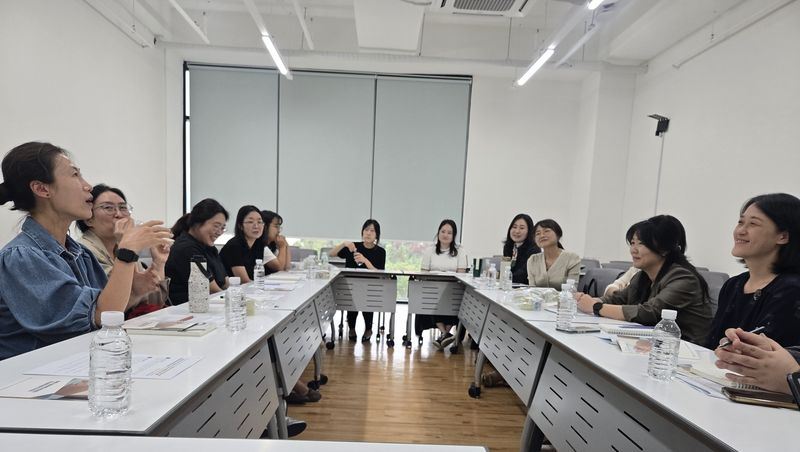
The support plan is not fixed after being established. The Jeju Provincial Office of Education held an Expert Advisory Council on the 17th and shared the results of in-depth assessments and support cases for individual students. Participants also discussed intervention methods suited to each student's characteristics and ways to strengthen links between schools and families.
The Expert Advisory Council will continue meeting in October and November. It plans to review changes in each student and the progress of support, adjusting intervention methods and follow-up assistance if necessary.
The Jeju Provincial Office of Education has made support for students with borderline intellectual functioning a key part of its basic academic skills policy. It is strengthening a system that directly visits schools in eup and myeon areas and older urban centers, linking students from in-depth assessment to individualized one-on-one support. Even after assessment, schools and experts will jointly monitor each student's cognitive and emotional changes and support progress, adjusting intervention methods when necessary.
[email protected] Jeong Yong-bok Reporter