Frozen Pizza Sees Rapid Growth Amid High Prices and Rise in Single-Person Households
- Input
- 2026-09-28 10:56:14
- Updated
- 2026-09-28 10:56:14
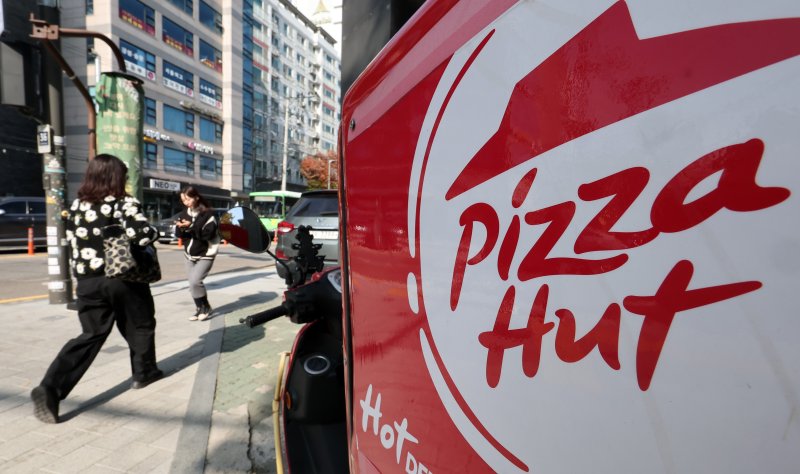
[Financial News] The dining-out industry is undergoing rapid changes amid persistently high prices and the growing number of single-person households. Franchise pizza chains, whose products are relatively expensive and typically ordered in portions for three to four people, are struggling with poor performance. By contrast, the frozen pizza market is showing clear growth, driven by its value for money.
According to the Financial Supervisory Service’s electronic disclosure system (DART) on the 28th, Cheong Oh DPK, which operates Domino’s Pizza, reported revenue of KRW 210.9 billion last year, up KRW 9.7 billion, or 4.8%, from KRW 201.2 billion a year earlier. During the same period, Korea Pizza Hut’s revenue fell by KRW 8.3 billion, or 9.9%, from KRW 83.1 billion to KRW 74.8 billion. Mr. Pizza’s revenue declined by KRW 3 billion, or 21.3%, from KRW 14.1 billion to KRW 11.1 billion. While Korea Pizza Hut and Mr. Pizza have seen their revenue plunge, Domino’s Pizza also rebounded last year due to the base effect following a sharp drop in revenue in 2024. Overall, however, its revenue has remained stagnant at around KRW 210 billion since the COVID-19 pandemic.
By contrast, the frozen pizza market is growing rapidly. Euromonitor International estimates that the domestic frozen pizza market expanded from KRW 90 billion in 2019 to KRW 163.5 billion in 2024. This year, the market is expected to have surpassed KRW 200 billion by a wide margin.
The main reason cited for the downturn in the franchise pizza industry is its weakened price competitiveness. In the past, delivery options were largely limited to dishes such as jajangmyeon, pizza, and chicken. With the development of delivery apps, consumers can now order virtually any type of food, sharply increasing demand for meals priced in the KRW 10,000-to-20,000 range. Delivery pizzas, meanwhile, often cost more than KRW 30,000 to 40,000, making it difficult for them to attract consumers whose wallets have been squeezed by high prices. The rise in single-person households is another key factor behind declining demand for pizza. Delivery pizzas typically come in portions for three to four people, which is too much for a single-person household.
A food industry official said, "As high prices persist, pizza’s competitiveness is declining relatively because of its high absolute price point. As the number of one- and two-person households grows, consumers are steadily seeking smaller and cheaper frozen pizzas."
Food companies are also actively targeting the growing frozen pizza market by rolling out new products one after another. In June, Ottogi marked the 10th anniversary of its pizza product launch by introducing two special varieties: Mexican Meat & Cheese Pizza and American Barbecue Pizza. Ottogi’s pizza products have remained popular, surpassing cumulative sales of 160 million units as of May this year.
CJ CheilJedang is also offering frozen pizzas under its premium home meal replacement (HMR) brand Gourmet. The products feature a "Breathing Dough" made with fermentation technology, giving them a thin yet soft and chewy texture. Pulmuone has likewise introduced its No-Edge Pizza lineup, which allows consumers to eat the entire pizza without leaving the edge behind. Its popularity is attributed to the toppings packed into the outer edge of the crust instead of dough.
Reflecting this trend, franchise pizza chains are responding to the crisis with single-serving pizzas that offer smaller portions at lower prices. Domino’s Pizza launched Subzza, a single-serving pizza available from KRW 6,900, while Korea Pizza Hut has also introduced new mini pizzas for one person in an effort to win over single-person households.
[email protected] Park Kyung-ho Reporter