Jeonbuk State to Create Income for Residents by Harnessing Waste Heat from Incineration Facilities
- Input
- 2026-09-22 14:47:28
- Updated
- 2026-09-22 14:47:28
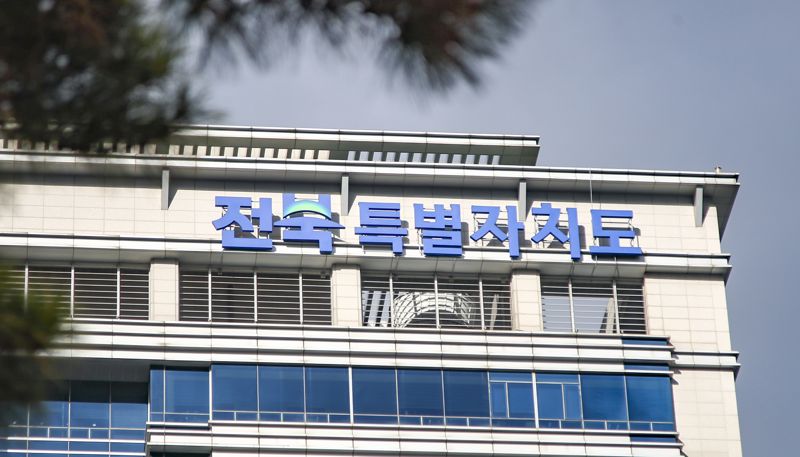
[Financial News, Jeonju = Kang In, Reporter] Jeonbuk State said on the 22nd that it is developing eco-friendly energy towns that use waste heat, biogas and other energy recovered from waste resources generated during waste treatment and return the benefits to residents.
Eco-friendly energy towns are community-benefit projects that supply waste heat and biogas generated by environmental infrastructure facilities, such as incineration plants and organic waste treatment facilities, to smart farms and resident amenities. These projects reduce energy costs while creating income and jobs for local residents.
The initiative is significant because it transforms environmental infrastructure facilities, once regarded as undesirable, from places that merely process waste into circular-economy hubs that produce resources and energy and share their economic value with local residents.
In the province, Jangsu County has established an eco-friendly energy town that recovers waste heat from an incineration facility and supplies it to smart farms, including greenhouses for growing tomatoes and cold-storage facilities. The town began full-scale operations in June 2026. By replacing discarded incineration waste heat with agricultural energy, it is reducing farmers' operating costs and establishing itself as a community-benefit model that increases local income.
Namwon City, Muju County and Buan-gun are also pursuing four eco-friendly energy town projects with a total project budget of 33.5 billion won.
Namwon City is pursuing a project to build a 2,600-square-meter community center linked to waste heat from an incineration facility, at a cost of 18.15 billion won. It is also carrying out a regionally specialized income-generating project to install heating facilities at a loach farming complex, using biogas produced during the treatment of food waste, sewage sludge and other materials, at a cost of 1.5 billion won.
Muju County is carrying out a 7.83 billion-won smart farm project that recovers waste heat from an incineration facility to improve the efficiency of agricultural production and distribution. Buan-gun is also pursuing a 6 billion-won project to build a 560-square-meter community center linked to a 970-kW solar power generation facility, using waste heat from an incineration plant.
Jeonbuk State plans to directly link energy recovered from waste resources to income-generating and public-benefit projects for residents, thereby expanding tangible benefits such as lower energy costs, higher resident incomes and job creation.
Lee Soon-taek, director of Jeonbuk State's Environmental and Forestry Bureau, said, "We will transform environmental infrastructure facilities from places that merely process waste into community-benefit facilities that generate energy and share the benefits with residents," adding, "We will continue expanding a circular-economy model that uses discarded waste resources as a new source of local income and energy."
[email protected] Kang In Reporter